 Micprec Motor
Top DC Micro Vibration Motor Buying Guide for Global Buyers?
In the world of technology, the demand for precise and compact components is rising. One such crucial component is the DC Micro Vibration Motor. Experts emphasize its significance in various applications, from mobile phones to medical devices. Dr. Emily Chen, a leading expert in micro-motor technology, states, "The right DC Micro Vibration Motor can enhance user experience and device performance."
Selecting the right DC Micro Vibration Motor is not as straightforward as it seems. Buyers must understand performance specifications, size constraints, and power requirements. There is a diverse range of motors available, each designed for specific applications. This variability can make selection challenging for global buyers. As the market evolves, the need for reliable information grows.
Many buyers focus solely on specifications, overlooking the importance of supplier reputation. The industry has several manufacturers, but not all meet quality standards. A good motor can make a difference in performance, while a subpar choice can lead to issues. Reflecting on one's choices is key to making informed decisions in this niche market.
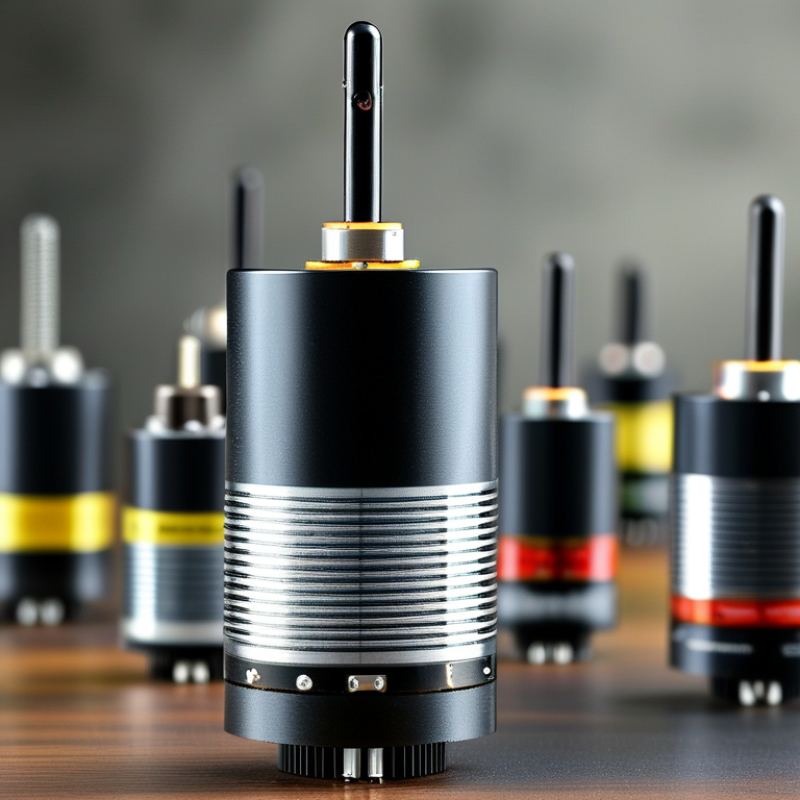
Understanding the Basics of DC Micro Vibration Motors
DC micro vibration motors have gained wide application in many devices, notably in mobile phones and wearable technology. These tiny motors deliver precise vibrations. According to a market research report by Grand View Research, the global vibration motor market is expected to reach $6 billion by 2025. This illustrates their importance in modern electronics.
Understanding the basics is vital for selecting the right motor. These motors operate using direct current, offering high efficiency and compact sizes. When purchasing, consider specifications like voltage, size, and vibration frequency. Many users overlook these details, leading to suboptimal performance.
Tip: Always check the motor's load capacity.
Moreover, efficiency varies greatly among different manufacturers. Data suggest that the operating lifespan can differ based on material quality. Hence, it’s crucial to verify the reliability of the source.
Tip: Read user feedback before making your decision.
Many buyers do not utilize all available data. A well-informed choice can prevent future replacements and ensure better device performance.
FAQS
: Consider the motor's size, voltage, current ratings, and vibration frequency for optimal performance.
Smaller motors are compact but may not deliver the power output you need. Evaluate the trade-off carefully.
These ratings determine energy consumption and motor performance. Higher voltage may improve output but needs careful management.
The frequency affects the motor's effectiveness. Adjustable frequency can offer versatility but may complicate installation.
They are essential in consumer electronics, healthcare, and automotive industries for precise movements and user feedback.
They are used in medical devices like massage therapy tools for muscle stimulation, promoting relaxation and recovery. Calibration is key to avoid discomfort.
Evaluate their expertise, experience, certifications, and quality assurance practices to ensure reliable products.
A responsive and knowledgeable supplier addresses concerns quickly, showing genuine interest in your specific needs and solutions.
Check their history, past projects, and references from clients. Suppliers should willingly provide test results and verification documents.
Conclusion
The article "Top DC Micro Vibration Motor Buying Guide for Global Buyers" provides a comprehensive overview of DC Micro Vibration Motors, essential for various industrial applications. It begins by explaining the fundamentals of these motors, emphasizing their unique capabilities and functionality. When purchasing a DC Micro Vibration Motor, buyers should pay attention to key specifications such as voltage, size, and operational lifespan, which all significantly affect performance.
Additionally, the article highlights the popular applications of DC Micro Vibration Motors across multiple sectors, including consumer electronics, automotive, and medical devices. It also outlines the leading brands and manufacturers in this field, offering insights into market dynamics. Finally, the guide offers valuable tips for selecting the right supplier, ensuring buyers make informed decisions tailored to their specific needs, ultimately enhancing the effectiveness of their applications.
