Micprec Motor
High-Torque Performance & Electric Actuation Products
Explore our industrial-grade gearboxes, brushless motors, and precision-wound hybrid drive solutions engineered to operate reliably under extreme design parameters.
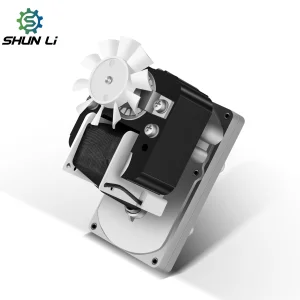
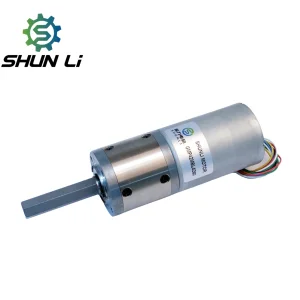
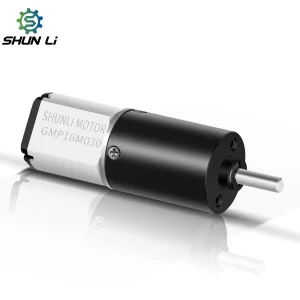
Shunli Design Custom Bl Dc Motor Micro 10V 20V 100rpm Dc Planetary Gear Motors High Torque Mini Electric Dc Motor
Get Specifications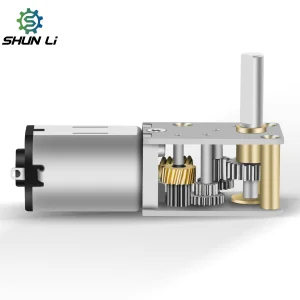
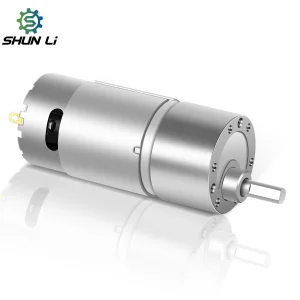
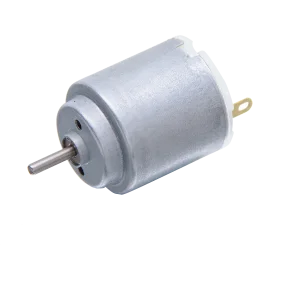
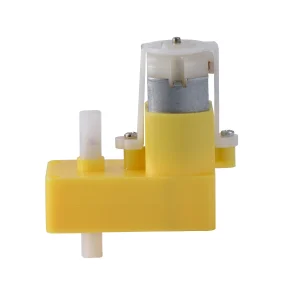
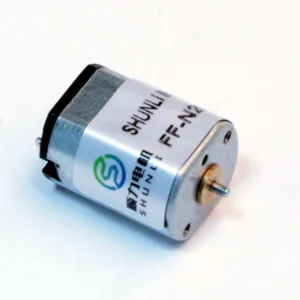
Mini 1.5v 2.4v 3v Electric Dc Motor Shunli Motor Strong or Normal One for Option Permanent Magnet Carbon Brush or Metal Brush
Get Specifications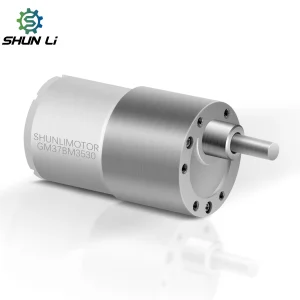
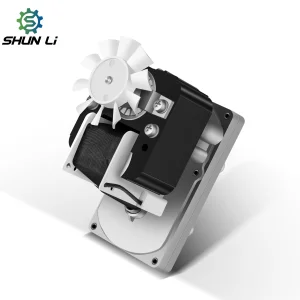
Flat Reduction 0.3Nm - 5Nm 12volt Gearbox Motor Dc Gear Motor Gearbox 24v 12v Dc High Torque Electric Motor Gears
Get Specifications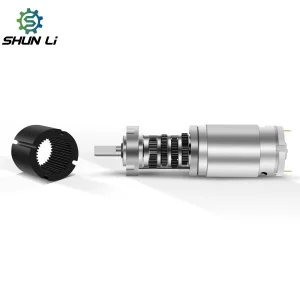
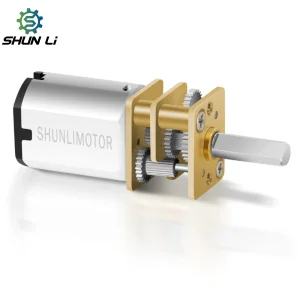
Engineering the Future of Micro-Drive Motion Systems
In modern industrial applications, robotic automation, smart home products, and precision aerospace hardware, the need for robust, dynamic, and highly efficient motor systems is paramount. Selecting a supplier from the pool of China top hybrid motor manufacturers and suppliers requires more than a simple comparison of price sheets. It requires a rigorous technical evaluation of custom engineering capacity, lean manufacturing systems, raw material controls, and reliability engineering. For globally active engineering managers and strategic procurement agents, navigating the technical landscape of electric motor integration requires concrete design metrics and detailed supply-chain insight.
"Smart Manufacturing for a Sustainable Future: Welcome to the future of micro-drive manufacturing. Micprec Motor operates a state-of-the-art facility designed for efficiency, precision, and sustainability. As a leading China exporter of micro DC and brushless motors, we combine twenty years of industrial heritage with a forward-thinking approach to lean automated manufacturing."
1. The Electro-Mechanical Architecture of Modern Micro & Hybrid Motors
The term hybrid motor refers broadly to systems integrating diverse design principles to optimize operational characteristics. It represents the hybridization of stepper control with brushless drive electronics (hybrid stepper motors) or the tight coupling of high-speed DC cores with custom-engineered planetary and worm gearheads. By combining permanent magnet rotors with stator windings that utilize precise geometric configurations, hybrid drive architectures eliminate common mechanical performance barriers.
Key design elements defining our micro and hybrid motor portfolios include:
Advanced Magnetic Path Optimization
By leveraging high-grade NdFeB (Neodymium-Iron-Boron) magnets paired with specialized stator core laminations, our motors minimize eddy current losses and achieve maximum power density in sub-40mm form factors.
Precision Metallurgy in Gearbox Reducers
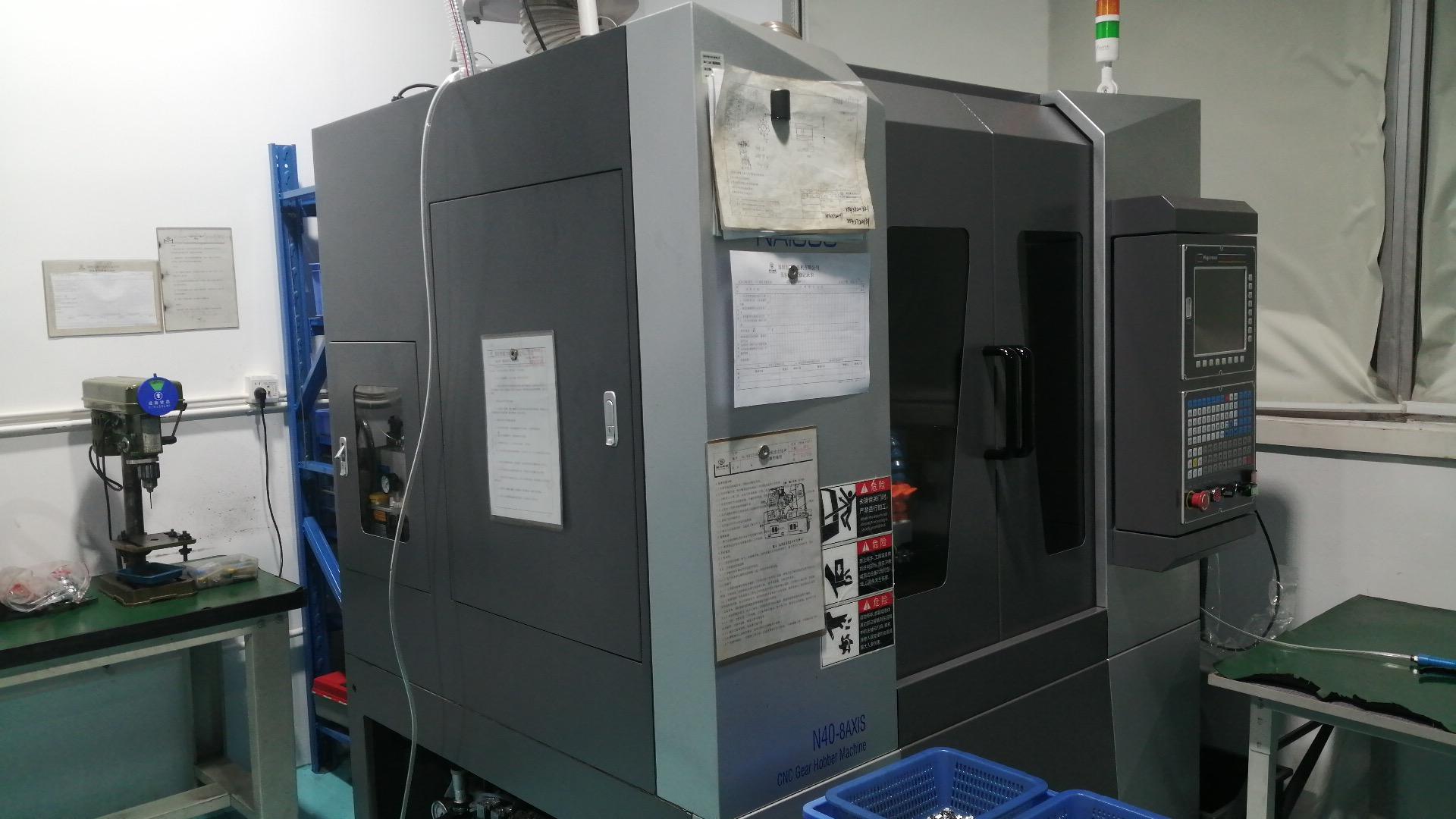
Our planetary and worm gearboxes utilize slow-feeding NC wire-cut components and precision gear-hobbing systems to ensure minimal backlash (<15 arc-min options), low friction coefficients, and mechanical efficiencies exceeding 85%.
Enhanced Thermal Management
Class F (155°C) and Class H (180°C) high-purity copper windings are standard across our custom high-torque product range, allowing sustained peak current delivery without thermal breakdown or rotor demagnetization.
China Factory Infrastructure & Supply Chain Integration
The manufacturing complex at Micprec Motor combines twenty years of domain expertise with a high-precision testing environment to control quality at every assembly step.
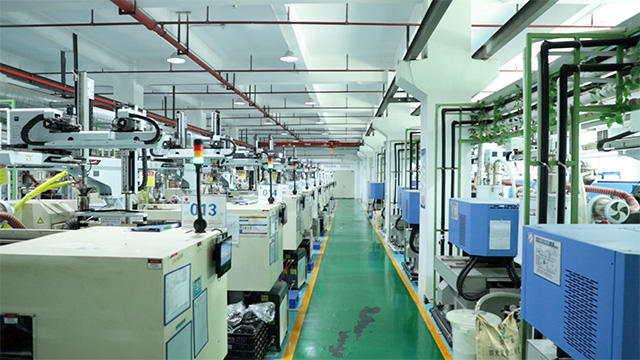
Automated Precision Winding
Our automatic winding and needle-insertion lines ensure optimal slot-fill factor, reducing winding imbalance and torque ripple. By automating the delicate copper-laying process, we eliminate manual errors that lead to phase imbalances and premature motor failure.
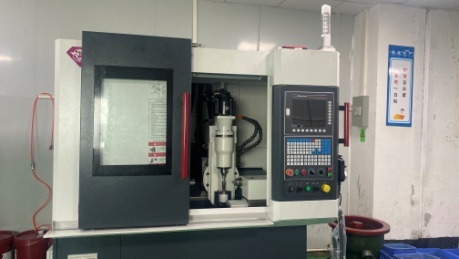
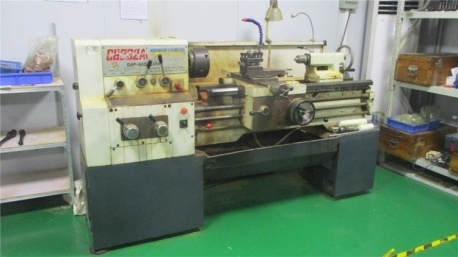
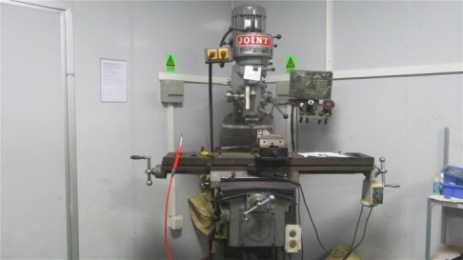
State-of-the-Art Tooling Workshop
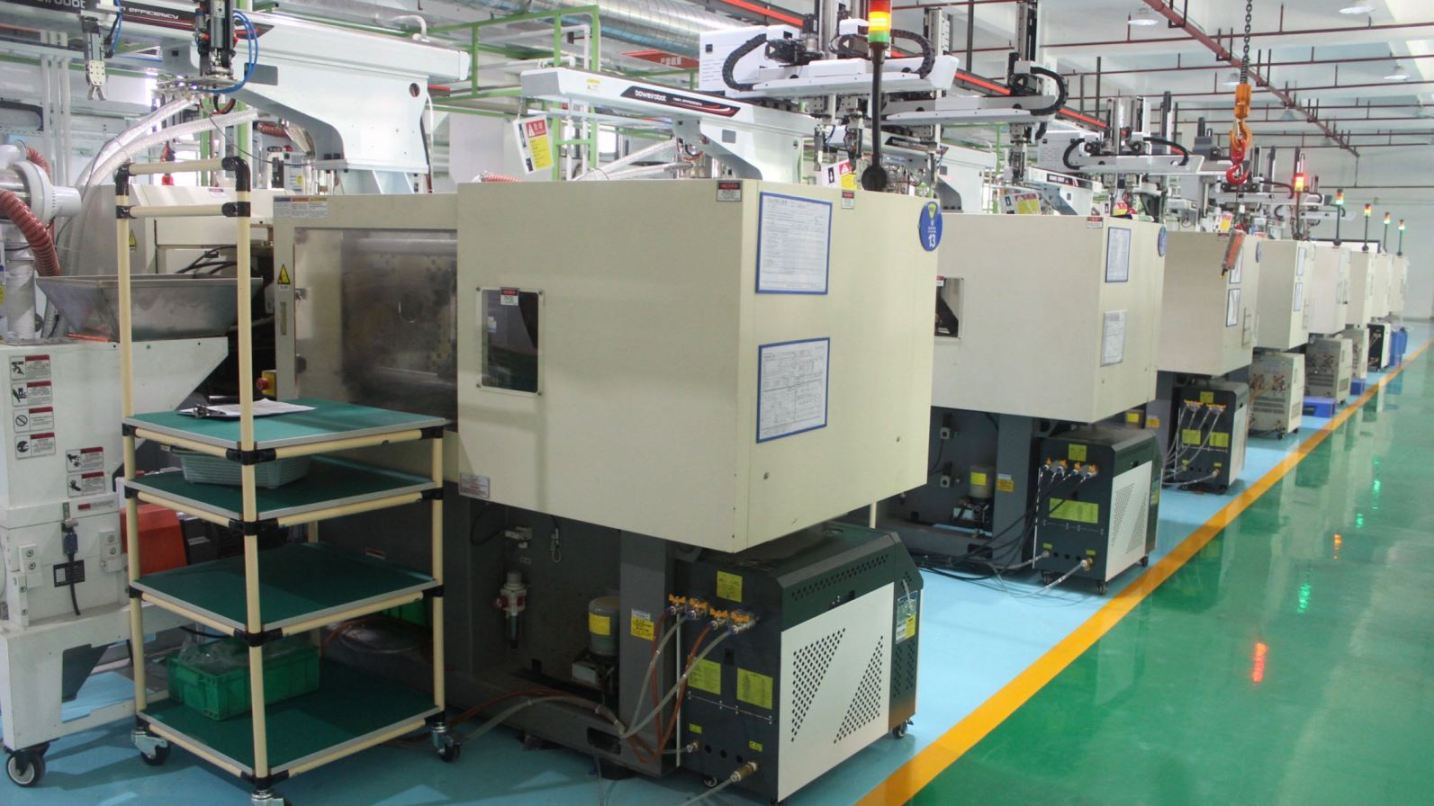
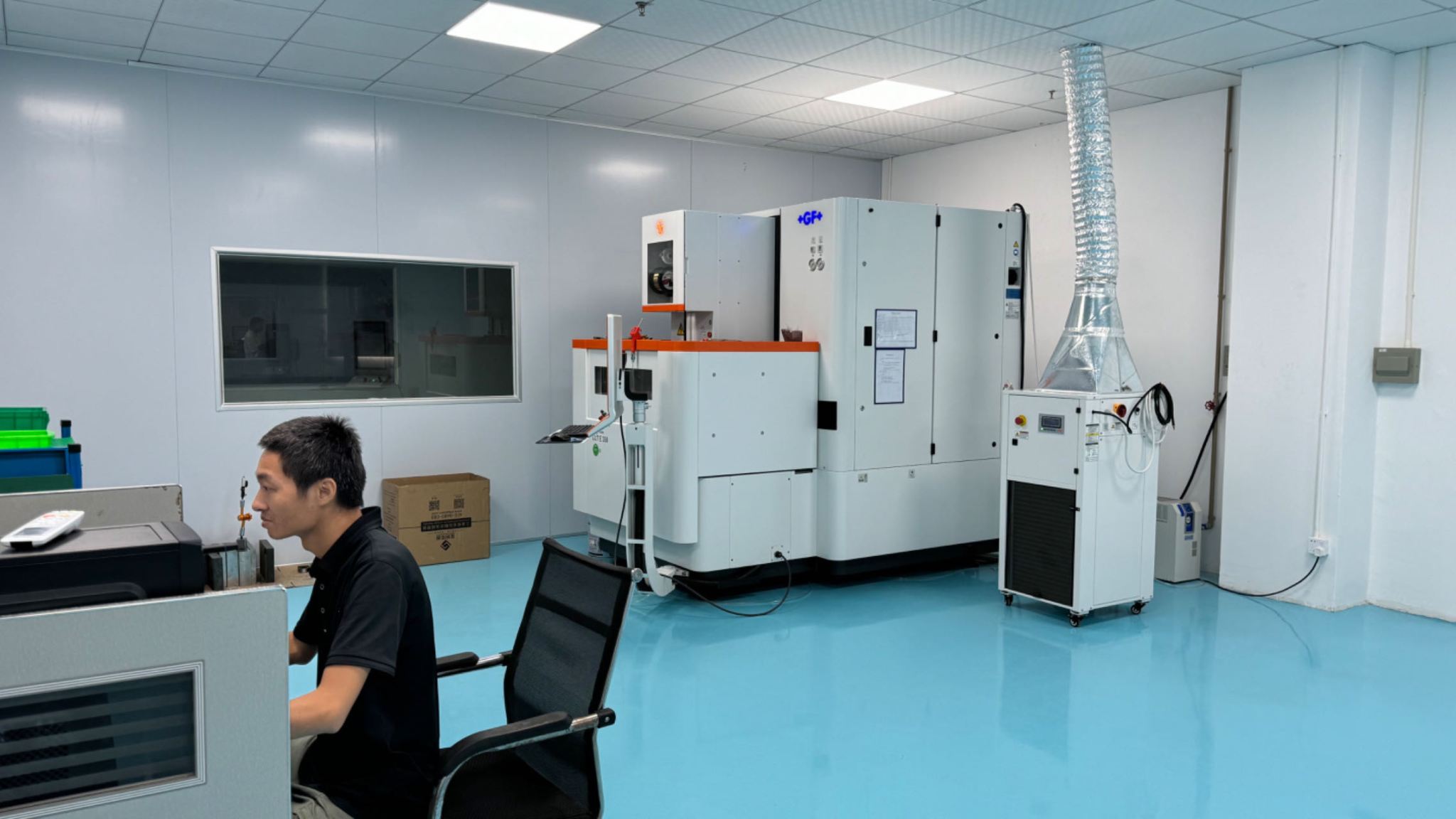
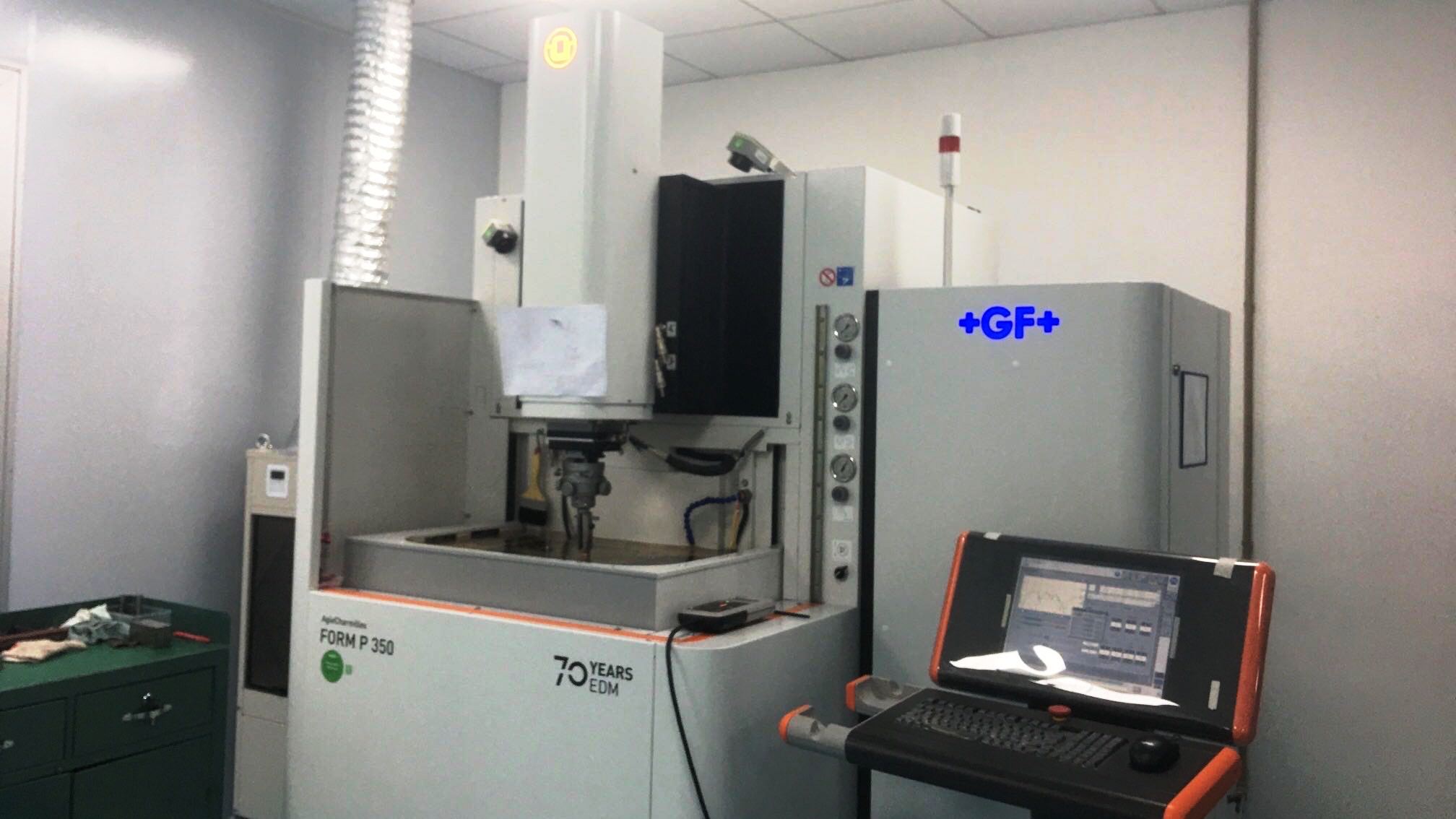
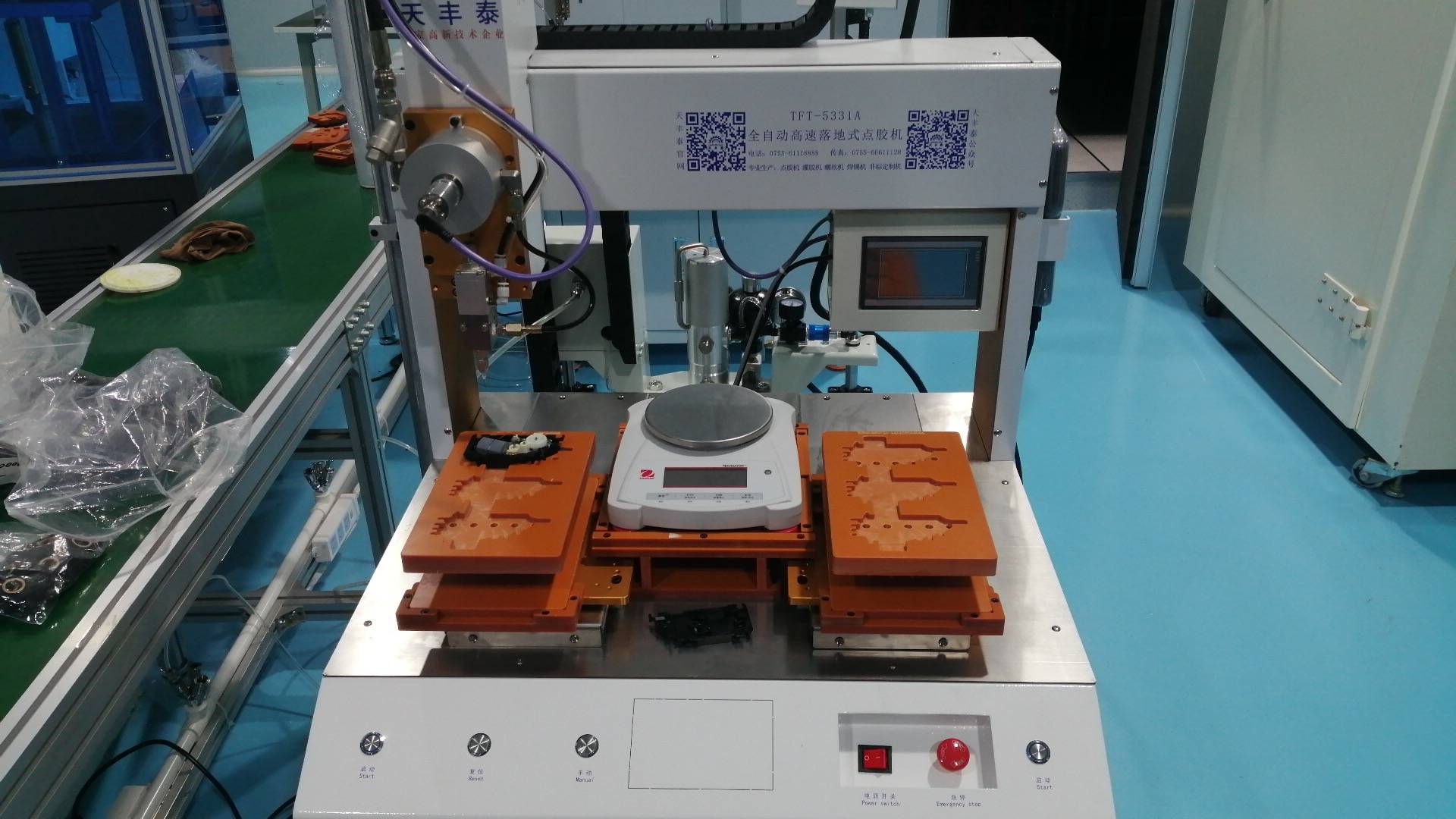
Equipped with high-precision EDM (Electrical Discharge Machining), slow-feeding NC wire-cut machinery, and automated gear riveting modules, we construct all gearbox dies in-house. This gives us complete control over micro-dimensional tolerances of gearing profiles.
Green & Lean Production Principles
"Quality and compliance are embedded in our DNA. Our entire production ecology conforms to rigorous international standards, including ISO9001, CE, RoHS, and REACH. By investing heavily in automated assembly lines and eco-friendly manufacturing processes, we ensure absolute consistency."
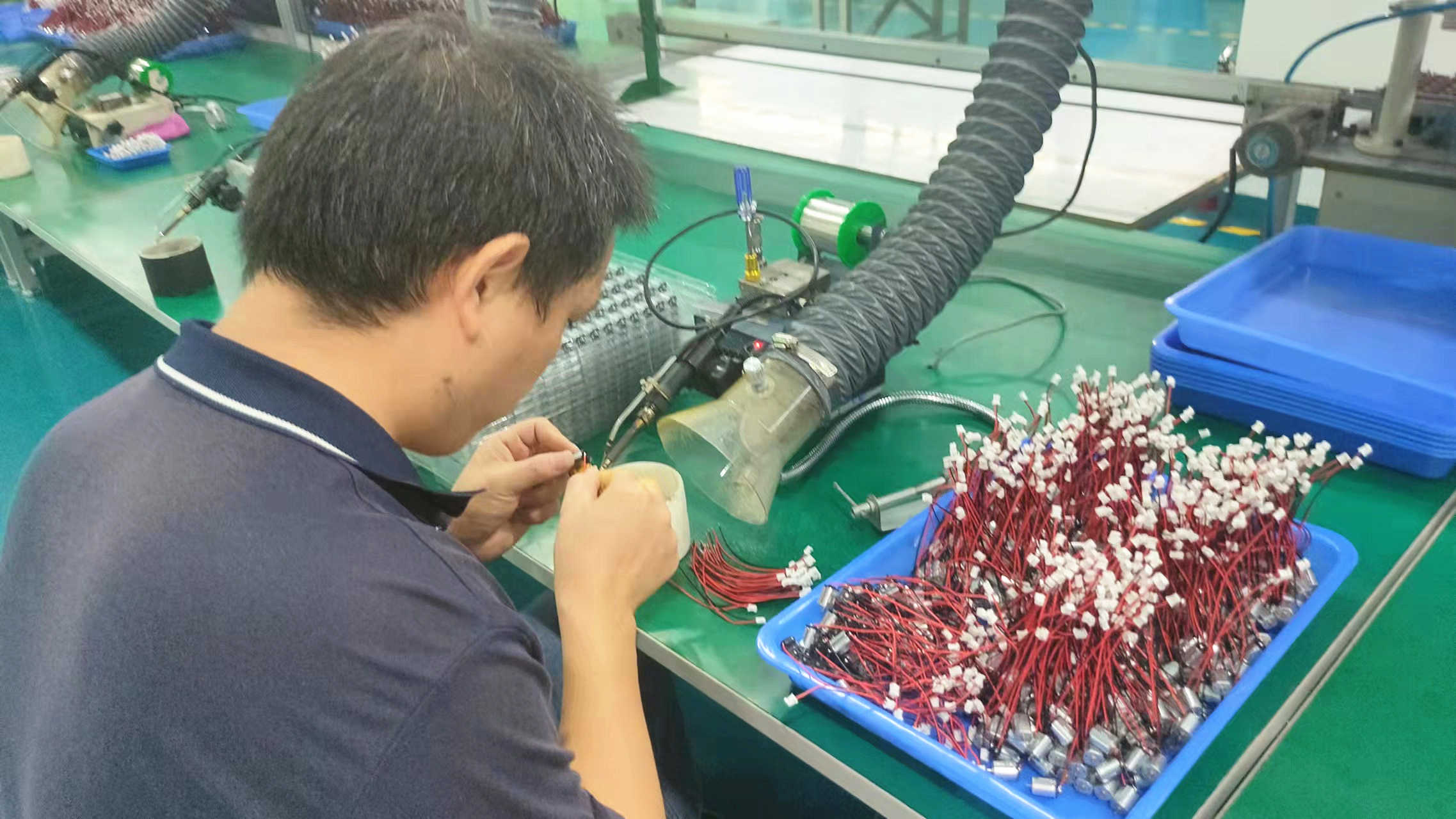
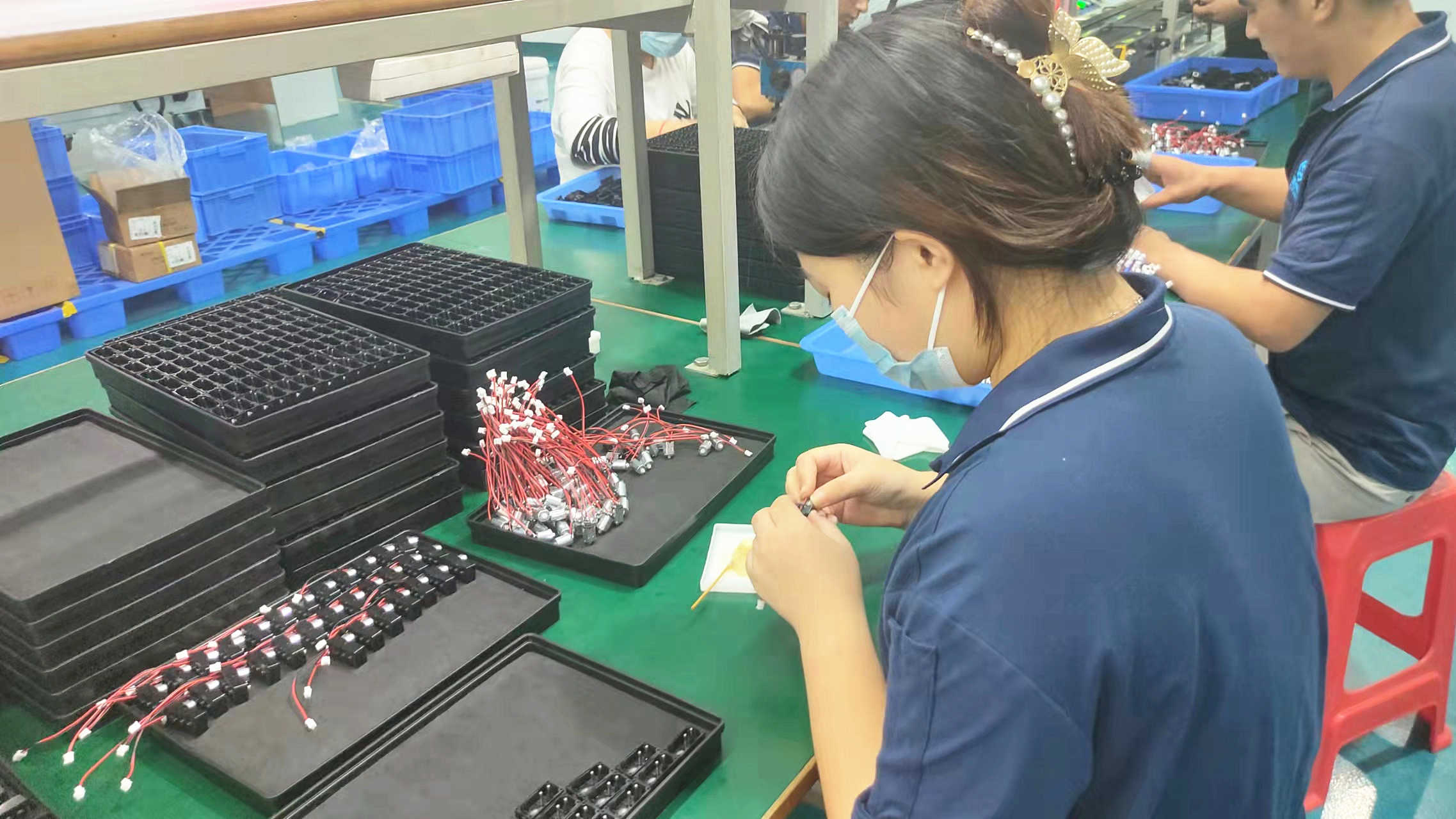
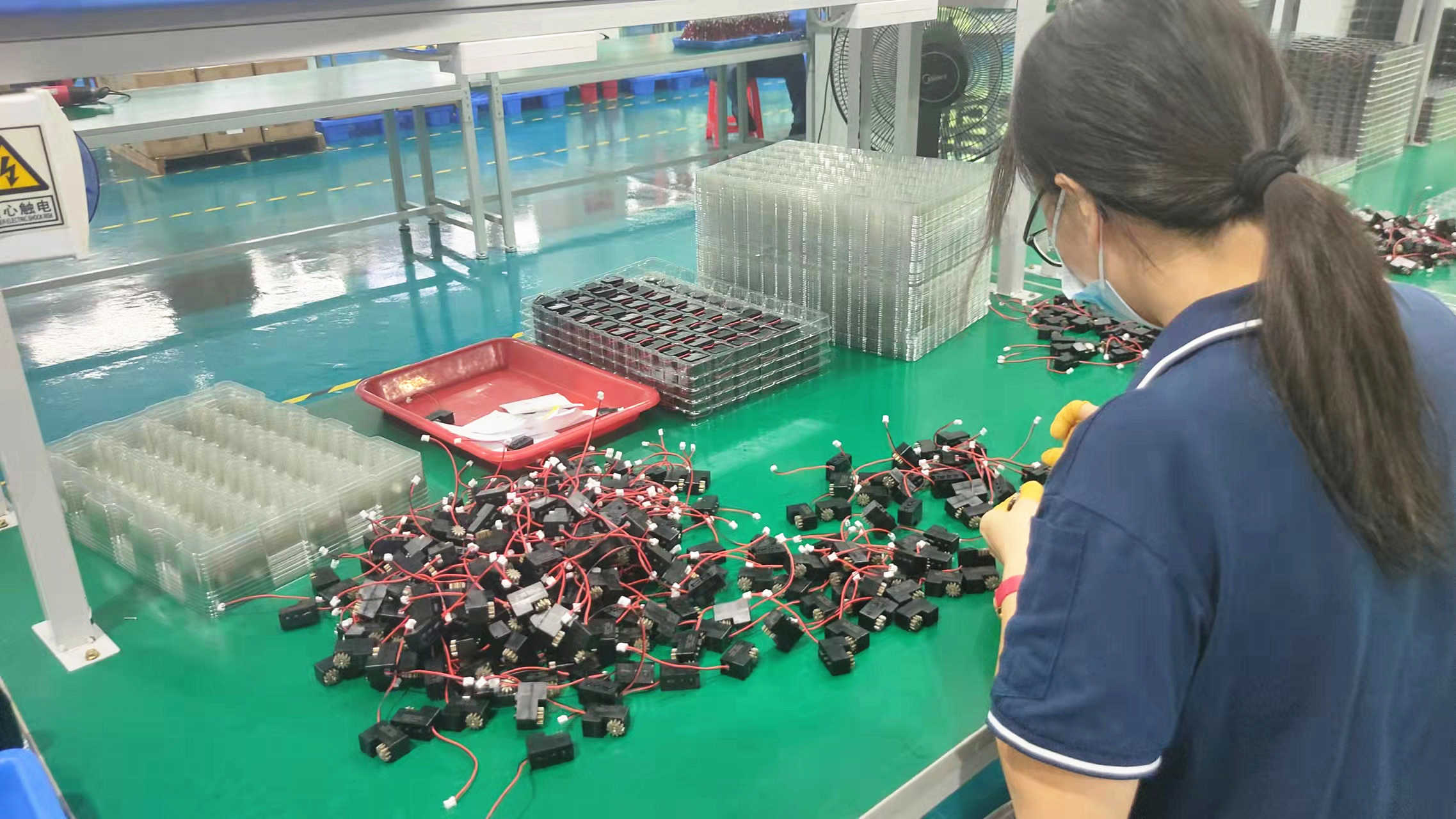
Advanced In-House Production Workflow
Each stage of our manufacturing cycle—from raw material inspection through automated gear assembly to precision storage management—is tracked using real-time quality control systems.

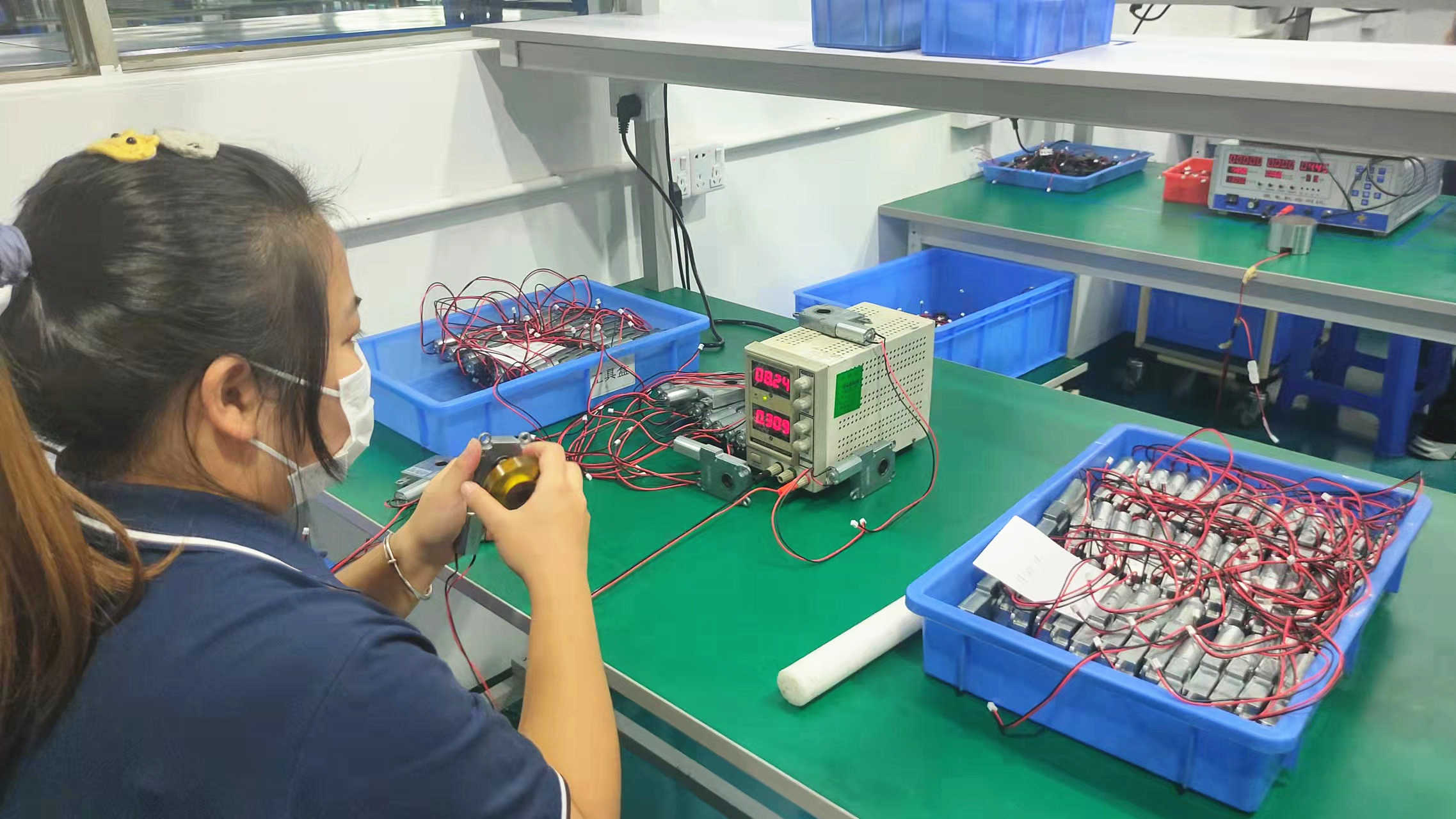
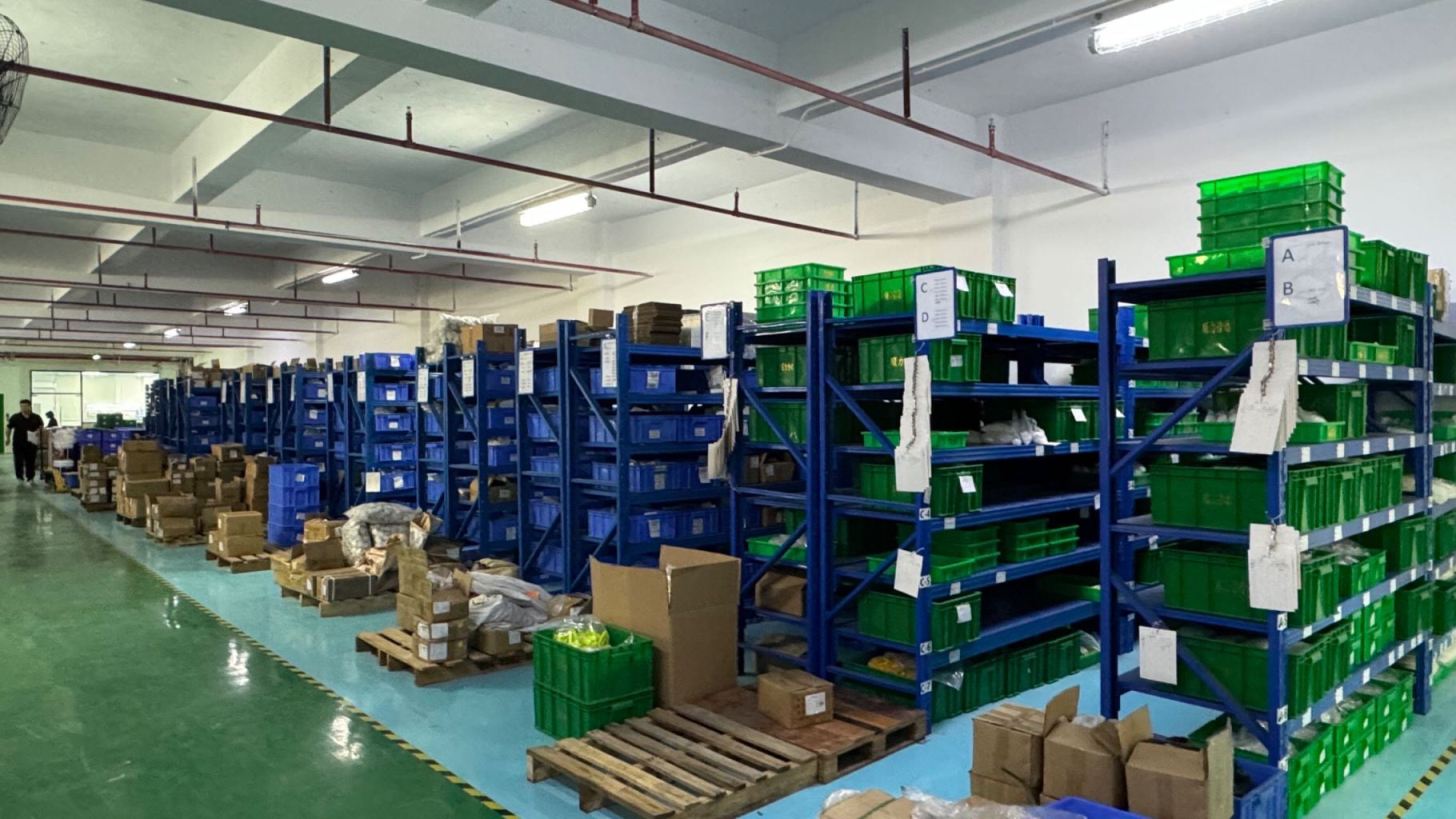
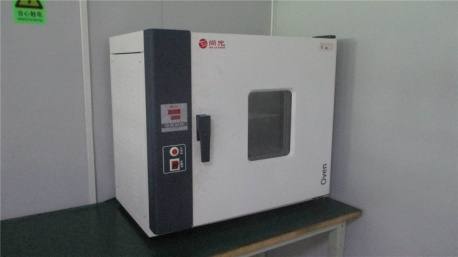
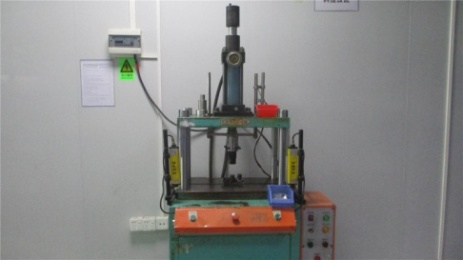
Industrial Tooling & Machinery Infrastructure
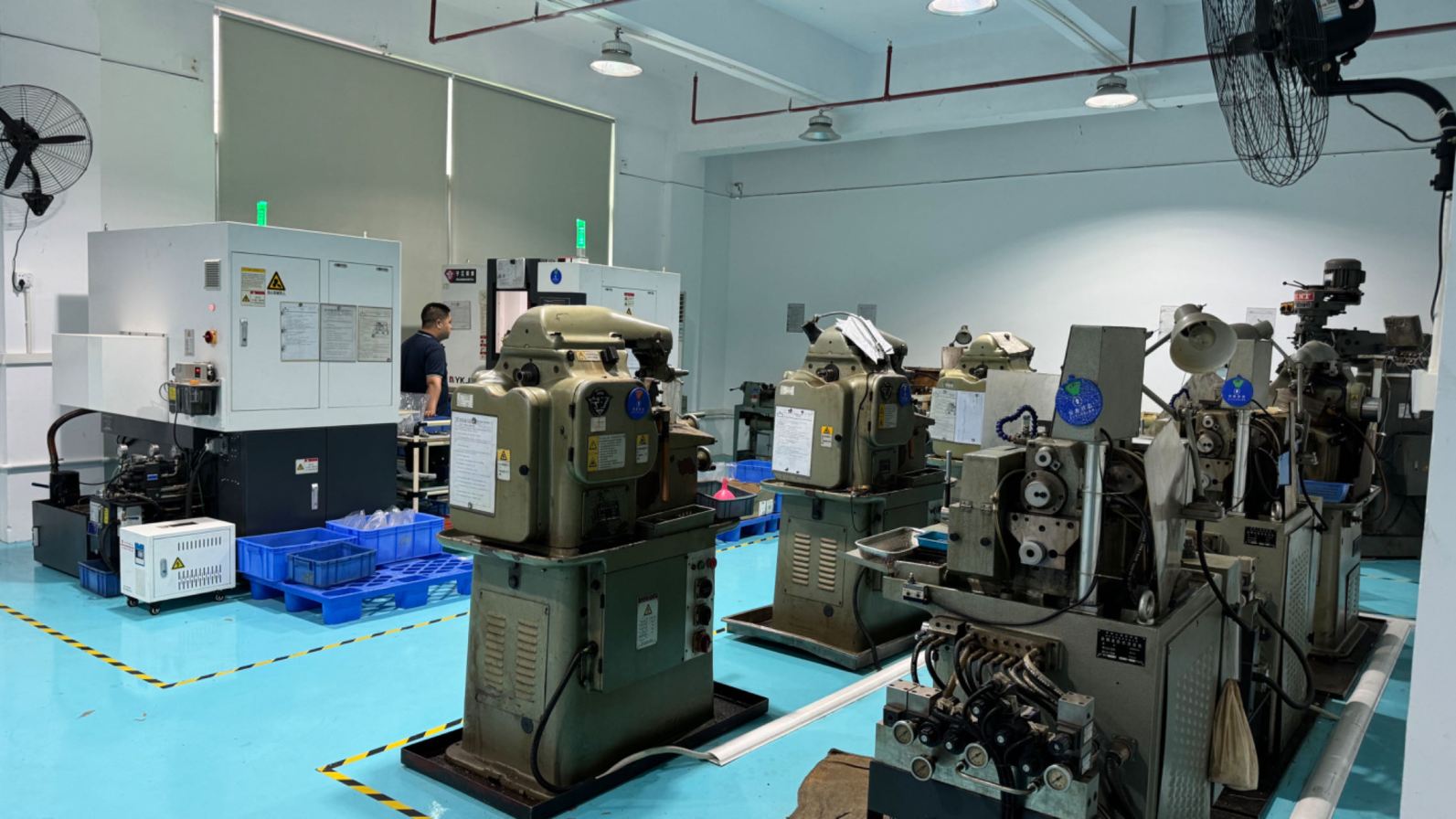
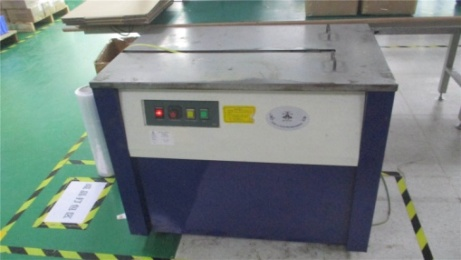
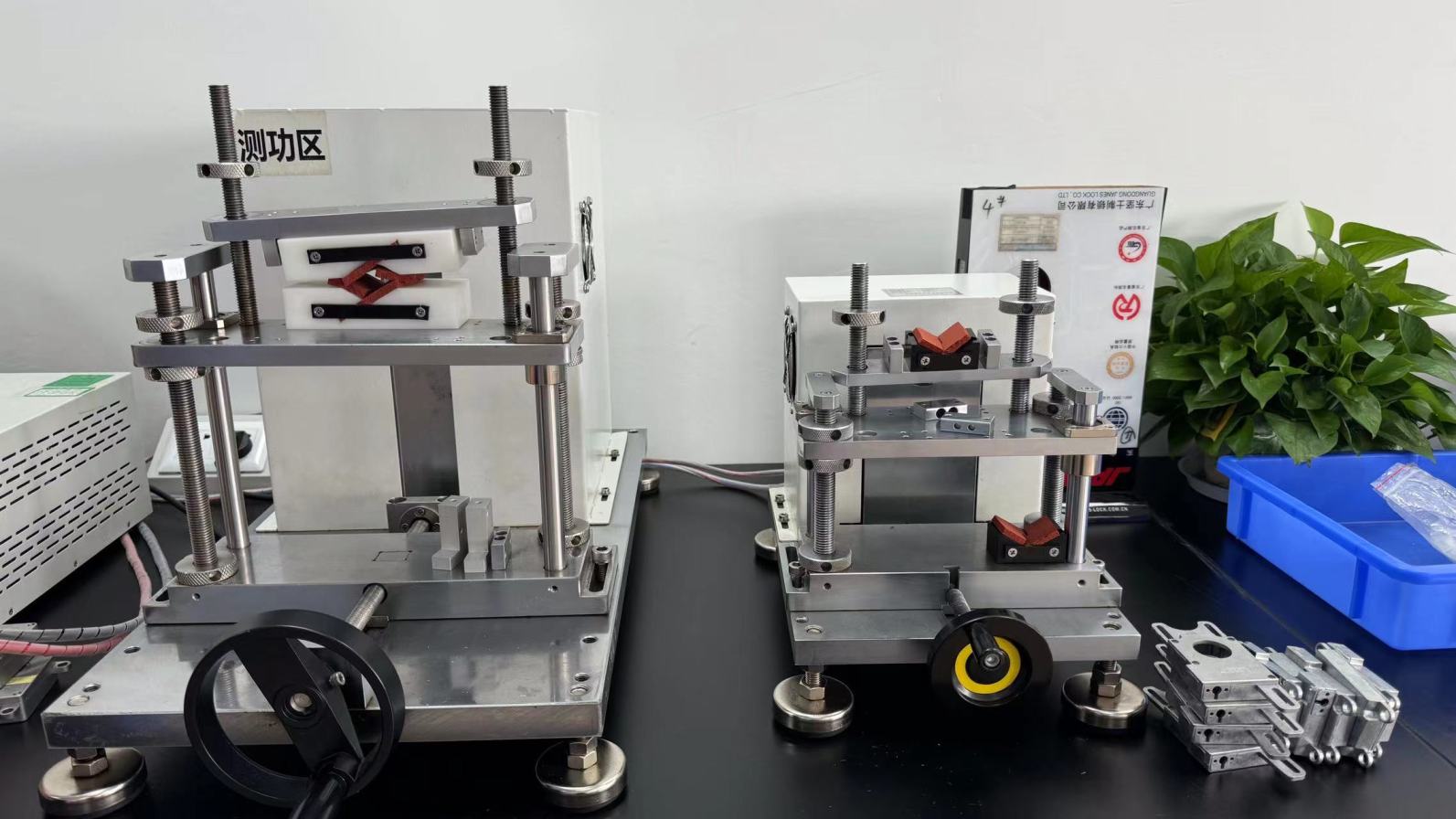
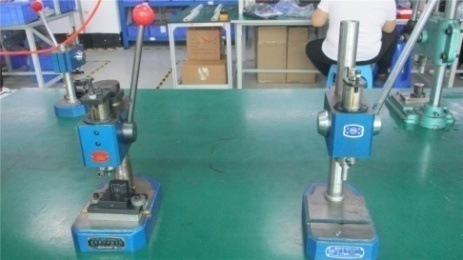
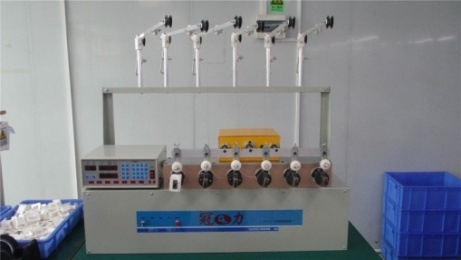
Global Enterprise Requirements & Hybrid Motor Technology Evolution
The motion control market is undergoing rapid evolution driven by energy efficiency directives and miniaturization requirements. Global enterprises require drive components that satisfy strict regional regulations while offering modular design paths. Developing customized drive platforms allows OEMs to maintain competitive advantages without ballooning R&D budgets. As a dedicated partner, we specialize in translating complex motion requirements into robust, mass-producible products.
2. Deep Customization Framework (DFMEA & PFMEA Guided)
To eliminate reliability risks during integration, we execute comprehensive Design Failure Mode and Effects Analysis (DFMEA) and Process Failure Mode and Effects Analysis (PFMEA) protocols. Every custom request, whether modifying an armature winding for specific voltage inputs or designing a bespoke planetary gear layout, undergoes simulation and stress testing before tooling verification.
Our engineering support team interfaces directly with customer engineering departments to define:
• Shaft Geometry: D-cut, splined, threaded, hollow-core, or custom cross-hole configurations in high-tensile stainless steel.
• Winding Adaptations: Custom back-EMF constants, voltage variations from 1.5V DC to 240V AC, and targeted torque curves.
• Feedback Devices: Integration of optical, magnetic, or capacitive encoders for precise closed-loop speed and position feedback.
• Material Optimization: Custom brush compounds (precious metal brushes for low electrical noise or carbon-metal composites for high-power life cycles).
3. Localized Support, Regulatory Compliance, and Environmental Responsibility
Modern global logistics require manufacturers to adapt to strict environmental standards. Compliance with RoHS (Restriction of Hazardous Substances) and REACH protocols is verified via chemical test reports for every batch of plasticizers, insulation materials, and solder wire used. In-house testing machinery ensures compliance prior to custom exports to the European Union and North America.
Additionally, we offer full documentation support including:
• PPAP (Production Part Approval Process) Level 3 packages for automotive and medical clients.
• CE and UL component-level approvals to simplify end-product system certifications.
• Full environmental compliance declarations ensuring raw materials meet global hazard requirements.
Engineering & Design Modeling Verification
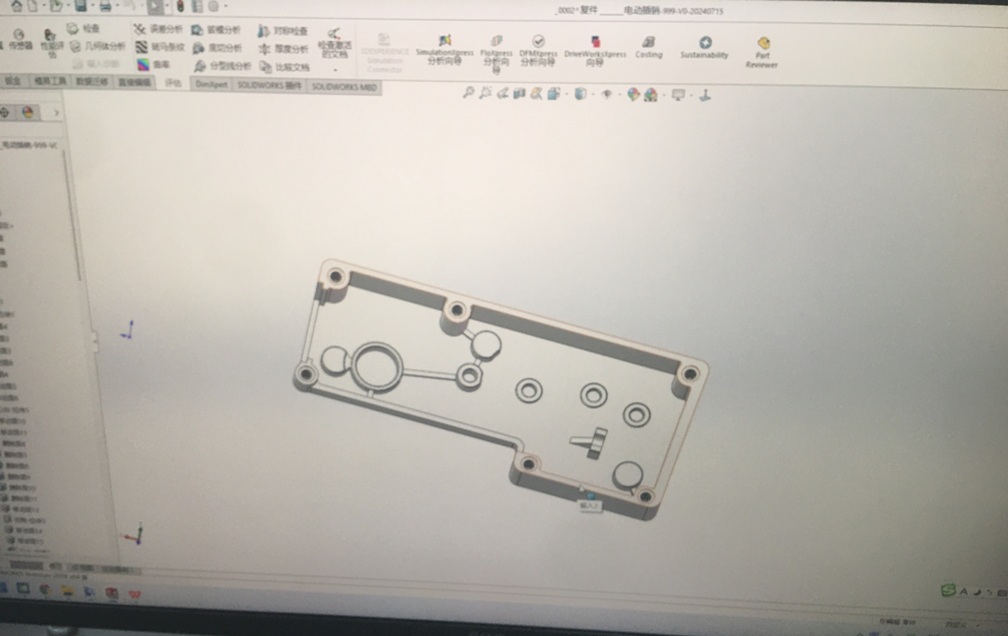 2D/3D Electro-Mechanical Design Modeling
Every production design begins inside our 3D CAD modeling environments. The alignment of planetary stages, contact patterns of worm gears, and structural housings are simulated to ensure dynamic loads do not exceed structural limits. This stage reduces rapid prototyping cycles by over 45%.
Our simulation suites verify the electromagnetic field distribution of hybrid steppers and BLDC drives, minimizing cogging torque and maximizing power output prior to hardware tooling.
4. Key Localized Application Scenarios
Our motor systems are designed to operate across diverse application ecosystems, adapting to unique operational conditions:
- Smart Home Automation: Micro gear motors (like our N20 or micro-planetary models) driving automatic locks, motorized blinds, and smart valves, requiring whisper-quiet operation and extreme longevity.
- Technical & Medical Equipment: High-torque 42mm and 36mm brushless DC planetary motors delivering precise fluid control in pumps or moving actuators in medical diagnostics.
- Automated Commercial Machinery: High-torque AC and DC geared configurations driving sliding commercial gates, automatic pellet-feeding furnaces, and smart vacuum sweepers.
- Robotics & Mechanical Actuators: High-density planetary gear reducers providing low backlash and high radial shaft load capacity for joint assemblies.
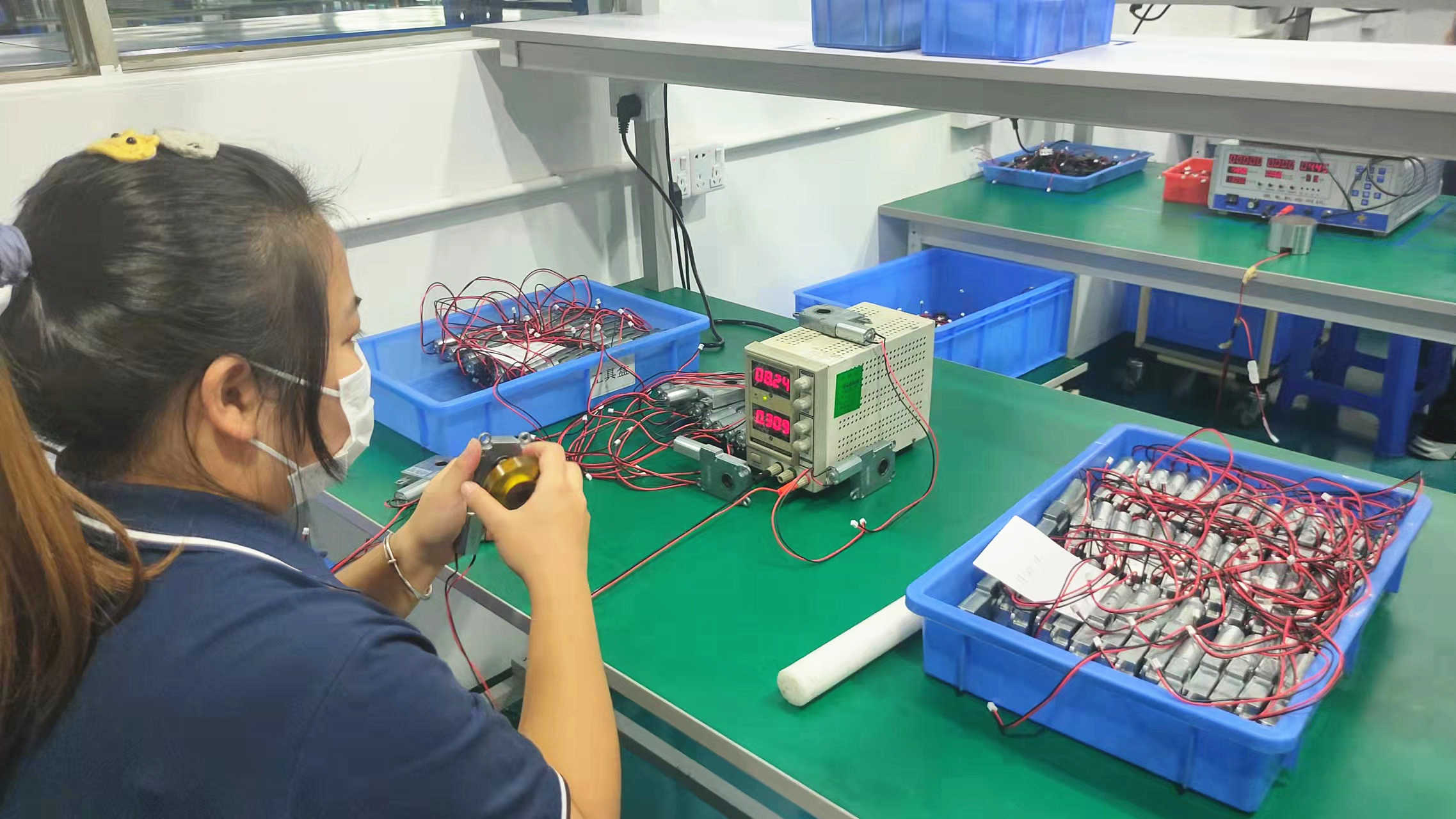
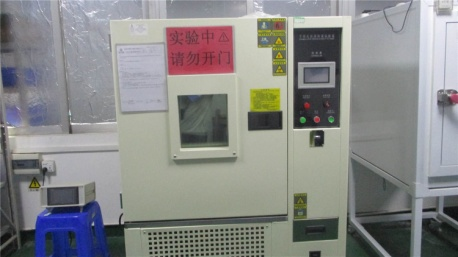
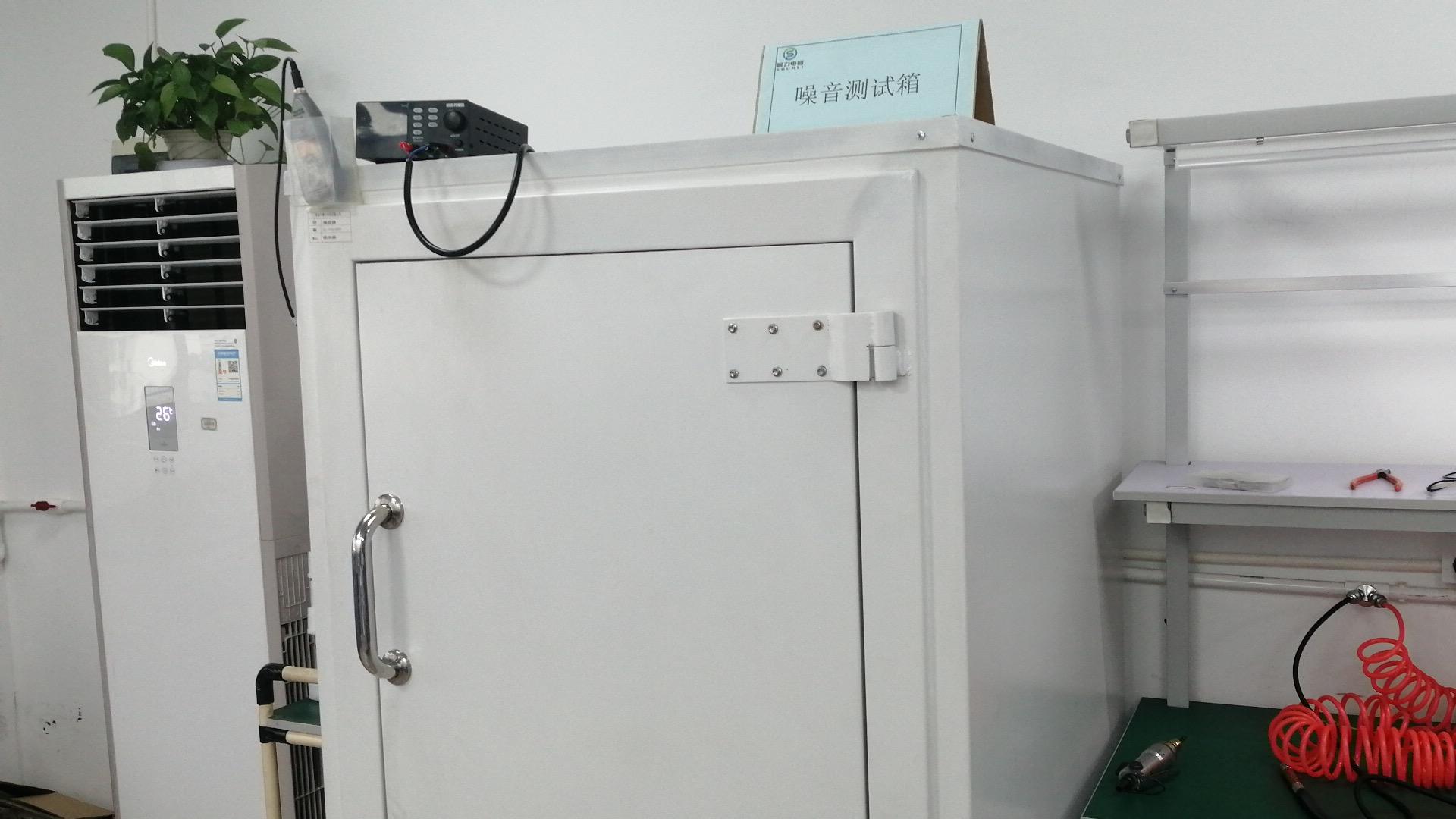
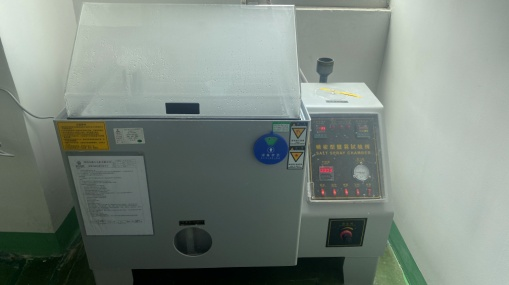
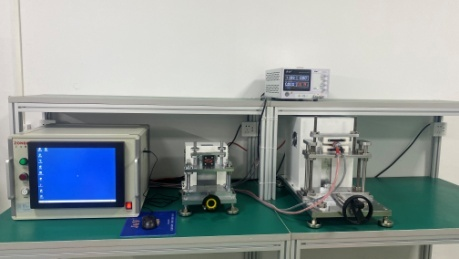
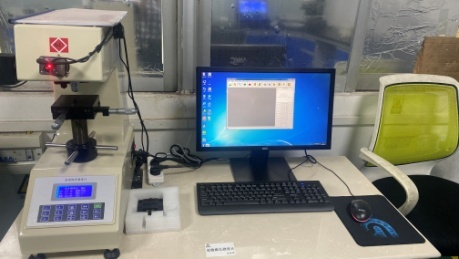
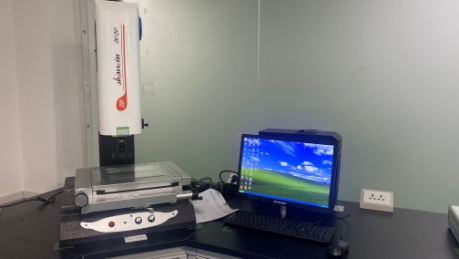
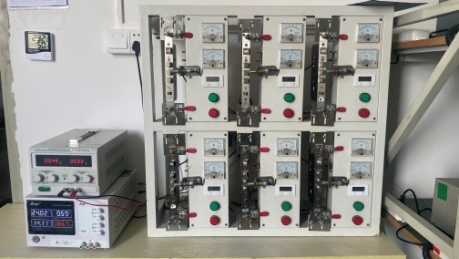
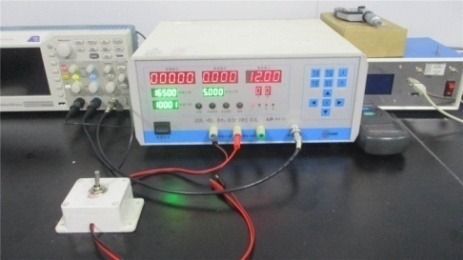
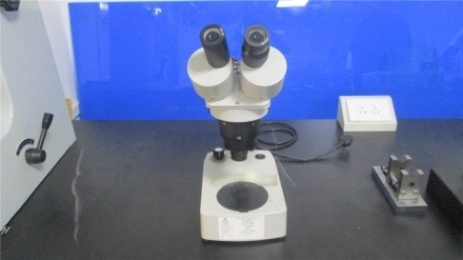
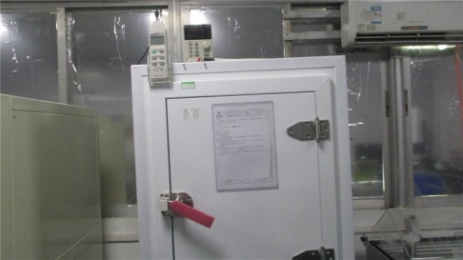
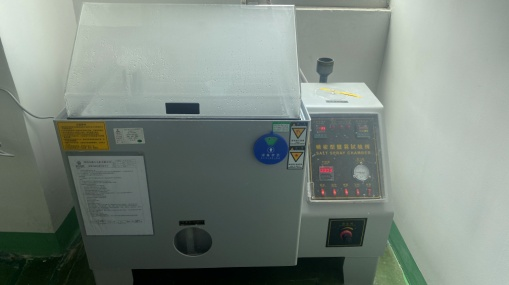
Advanced Metrology & Industrial Inspection Chambers
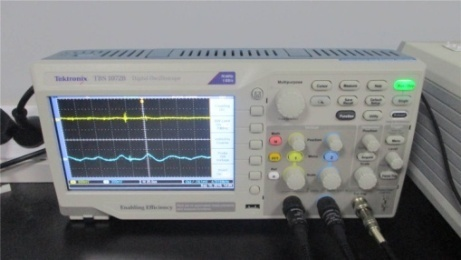
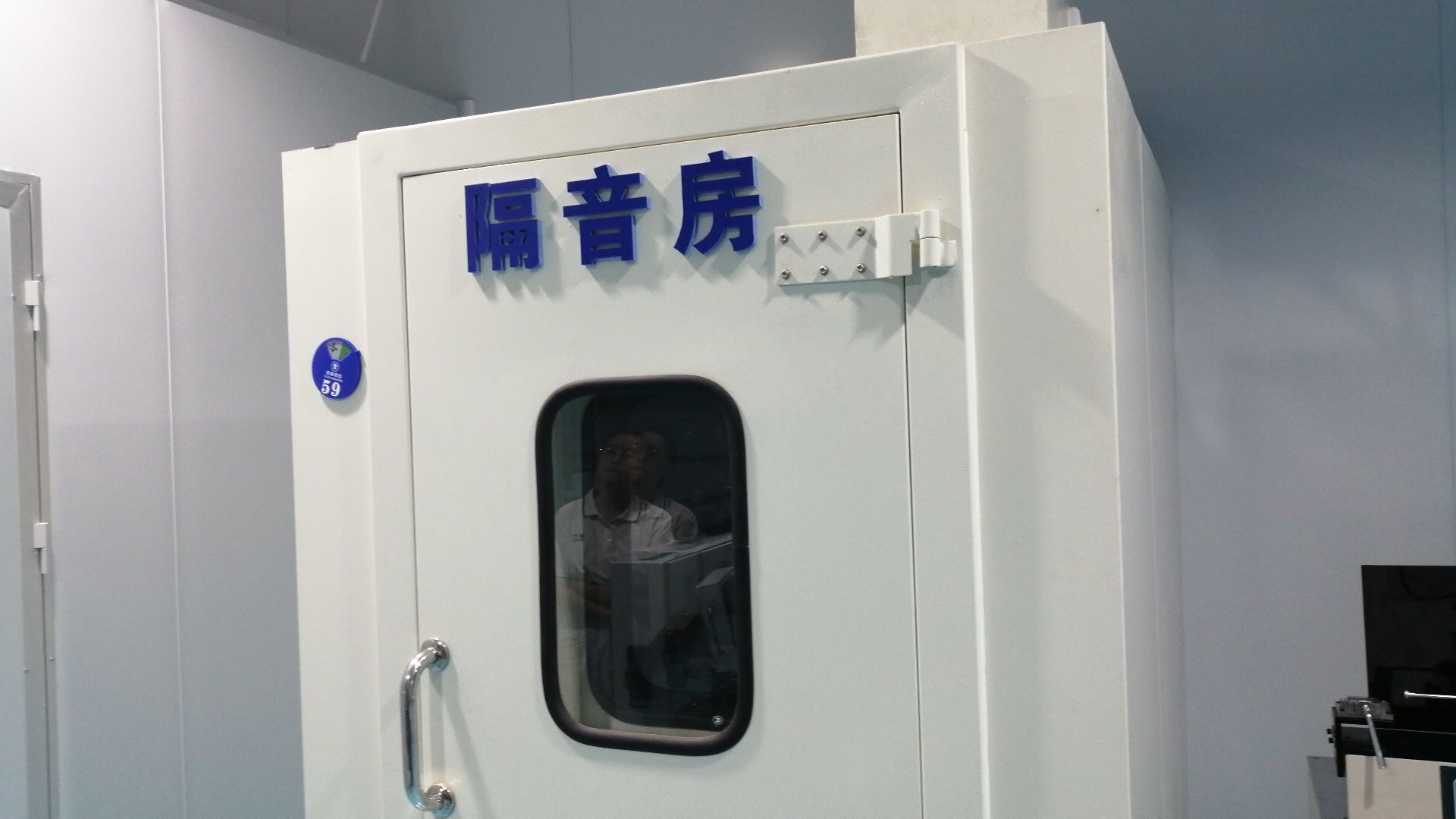
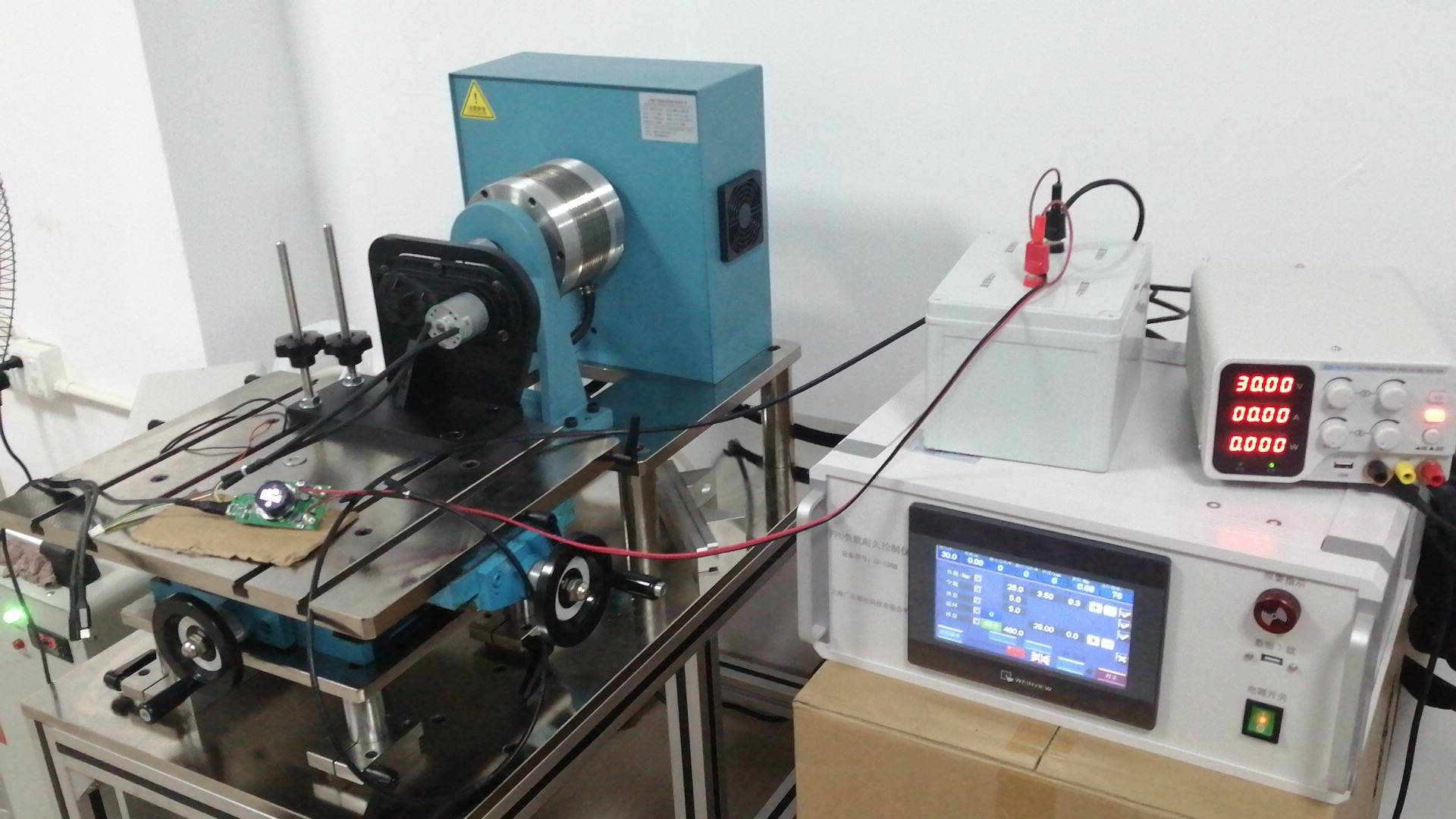
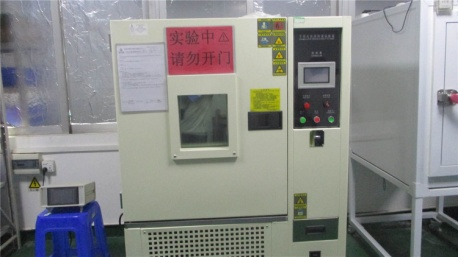
To assure long-term reliability and zero-field failure rates, every batch of motors undergoes strict electrical, acoustic, and environmental stress profiling.
Frequently Asked Technical & Logistics Questions
Explore answers to common questions about customization processes, test parameters, international supply chains, and compliance.
Precision Geared Assemblies & Brushless DC Drive Motors
Choose from our specialized configurations of planetary, worm, and brush/brushless systems built to deliver high performance in challenging environments.
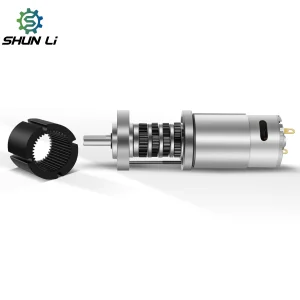
Shunli Custom Electr Brush Mini Dc Gear Motor 6v/12v/24v Planetary Gearbox Plus Permanent Magnet DC Gear Motors
Get Specifications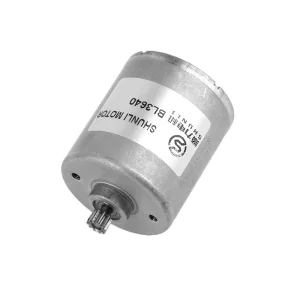
Electric BLDC Brushless DC Motor Micro Motor CAR Permanent Magnet FAN Boat 12v 36v 48v 24v 20000 RPM-40000 RPM
Get Specifications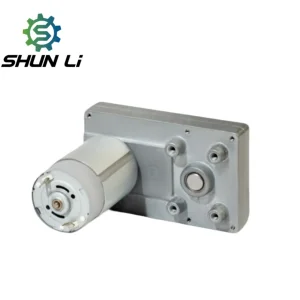
Worm Shaft 12v 24v 100mm Tetrix Dc Electric Geared Motor for Robot Vacuum Cleaner
Get Specifications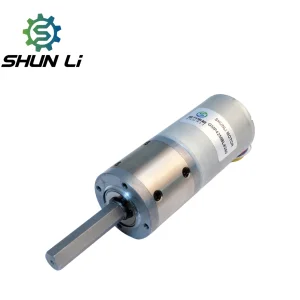
Custom Torque 48v 42MM Brushless Dc Motor with Planetary Gearbox 12 Volt 24volt for Power / Technical Equipment
Get Specifications