Micprec Motor
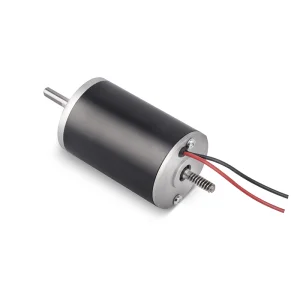
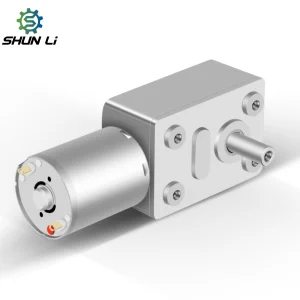
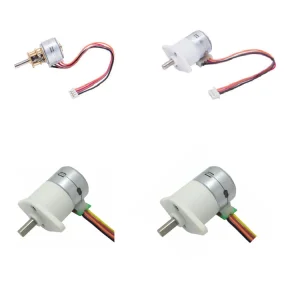
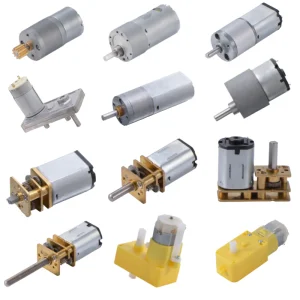
Precision Engineered Reversible Motors - Catalog Part A
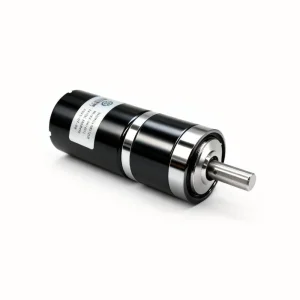
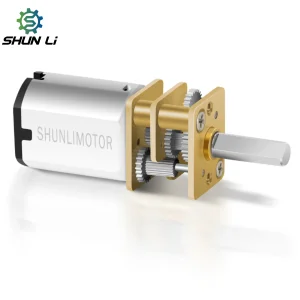
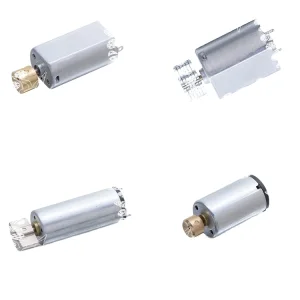
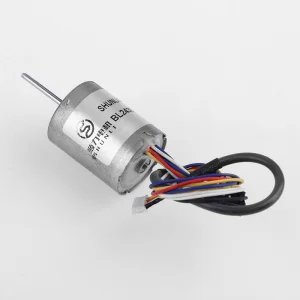
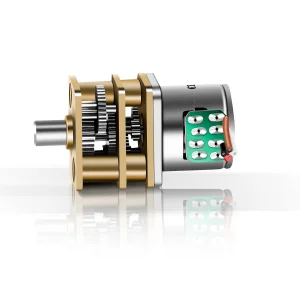
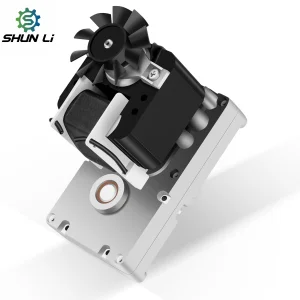
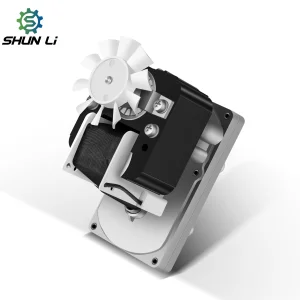
Explore our high-performance micro-drives, designed to accommodate multiple gear ratios, shaft configurations, and electrical specifications.
Smart Manufacturing for a Sustainable Future
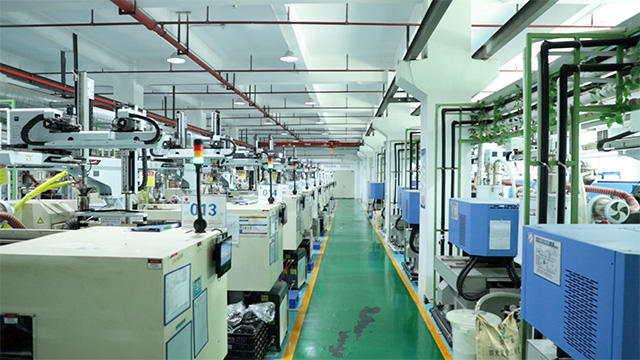
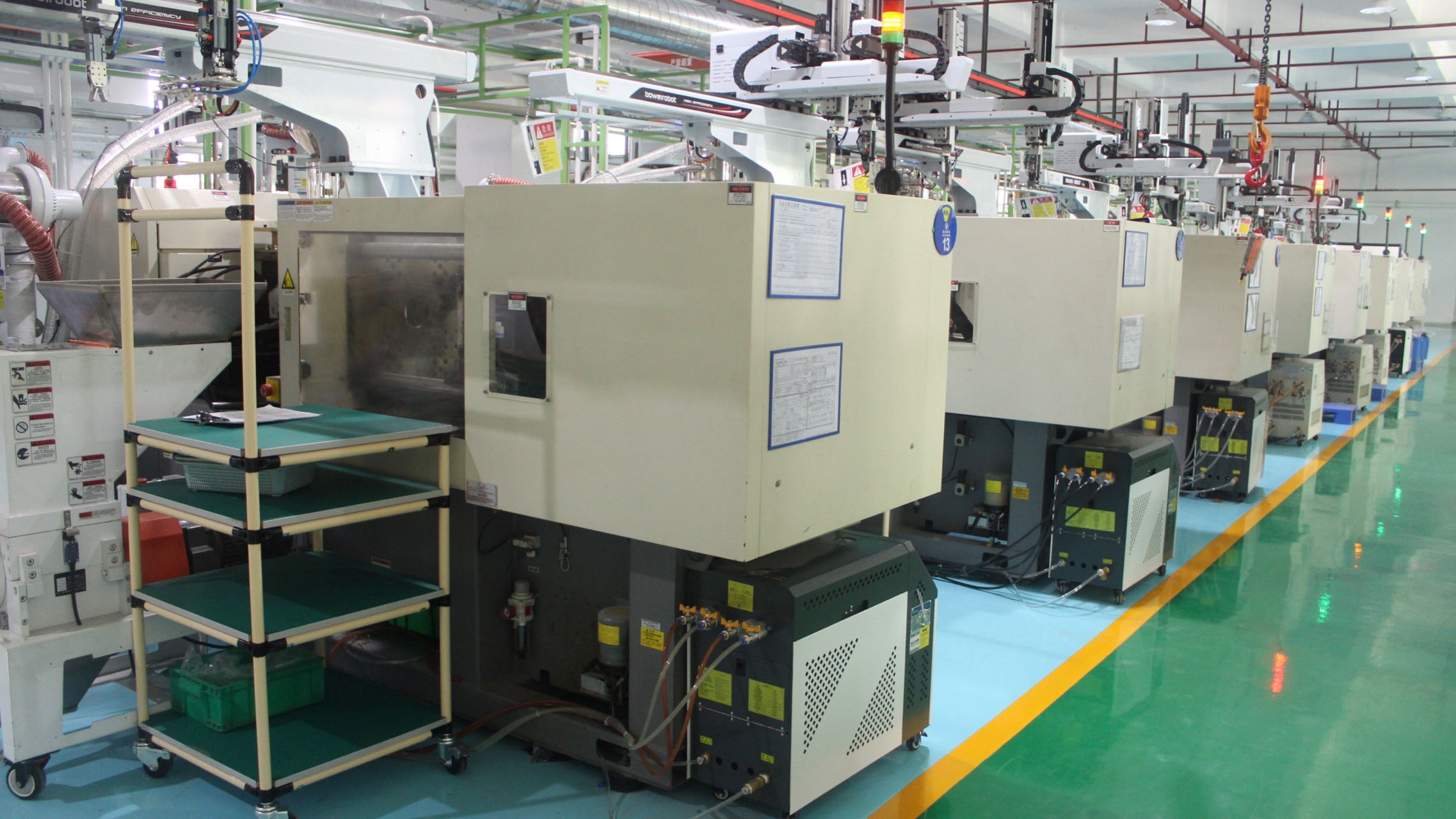
Welcome to the future of micro-drive manufacturing. Micprec Motor operates a state-of-the-art facility designed for efficiency, precision, and sustainability. As a leading China exporter of micro DC and brushless motors, we combine twenty years of industrial heritage with a forward-thinking approach to lean automated manufacturing.
Quality and compliance are embedded in our DNA. Our entire production ecology conforms to rigorous international standards, including ISO9001, CE, RoHS, and REACH. By investing heavily in automated assembly lines and eco-friendly manufacturing processes, we ensure absolute consistency across high-volume production runs while minimizing our carbon footprint.
When you choose Micprec Motor, you are not just choosing a supplier; you are choosing a responsible, transparent global supply chain partner committed to powering your products with high-efficiency, energy-saving motion control solutions.
- Fully Integrated CNC Gear Hobbing & Automated Winding Lines
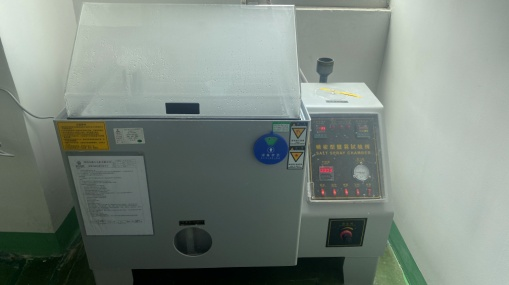
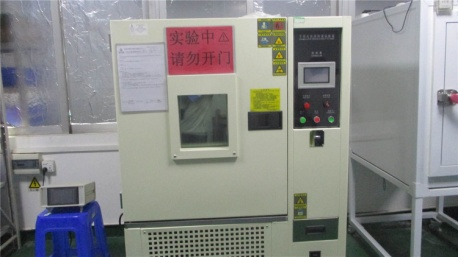
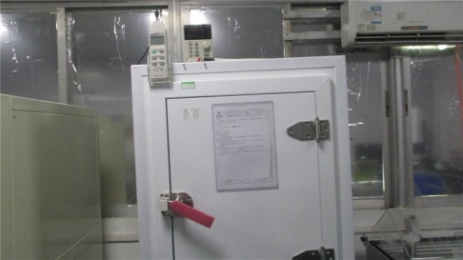
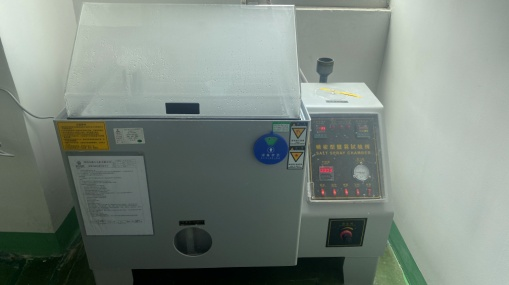
- Comprehensive Climatic & Salt-Spray Durability Profiling
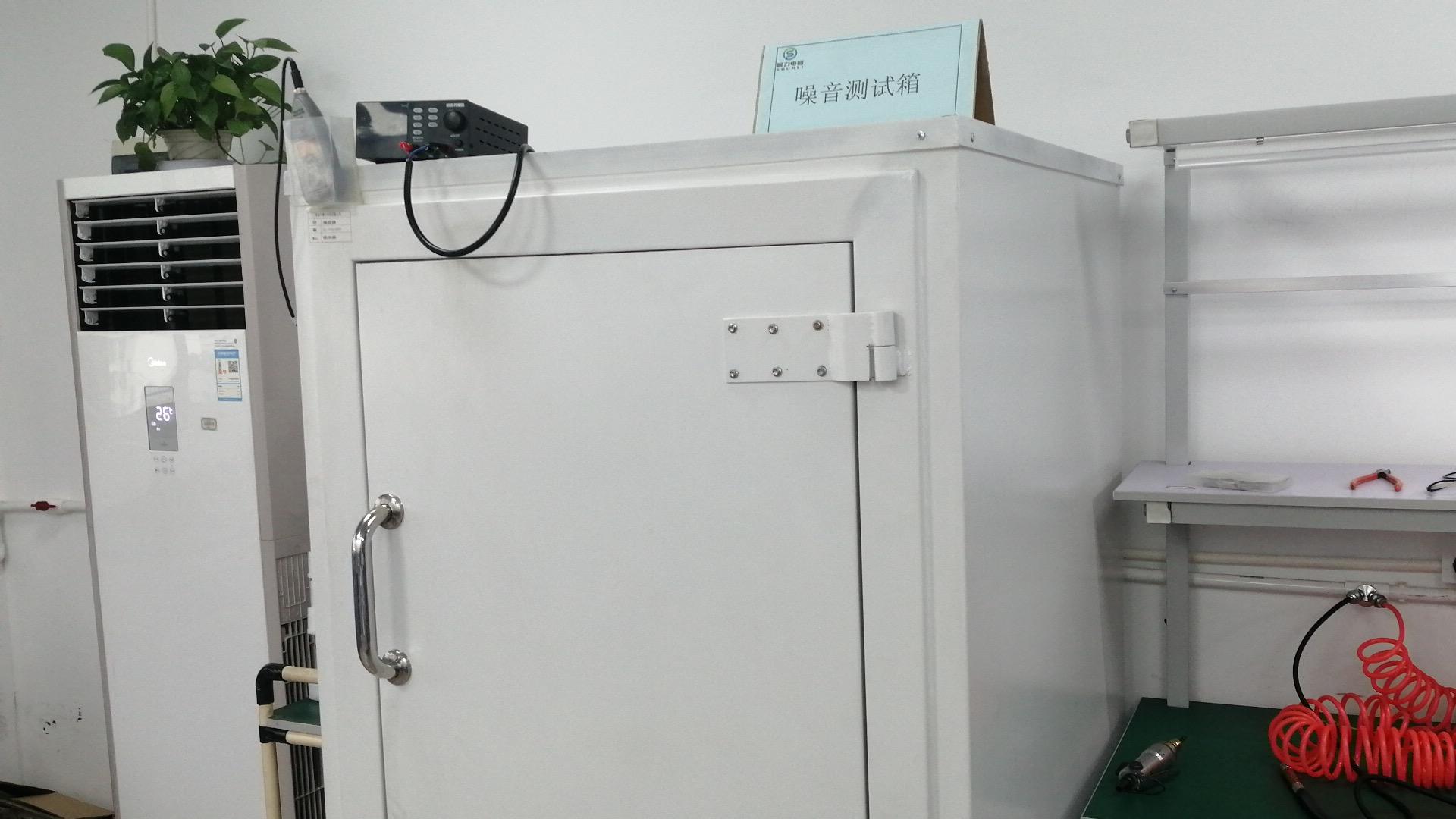
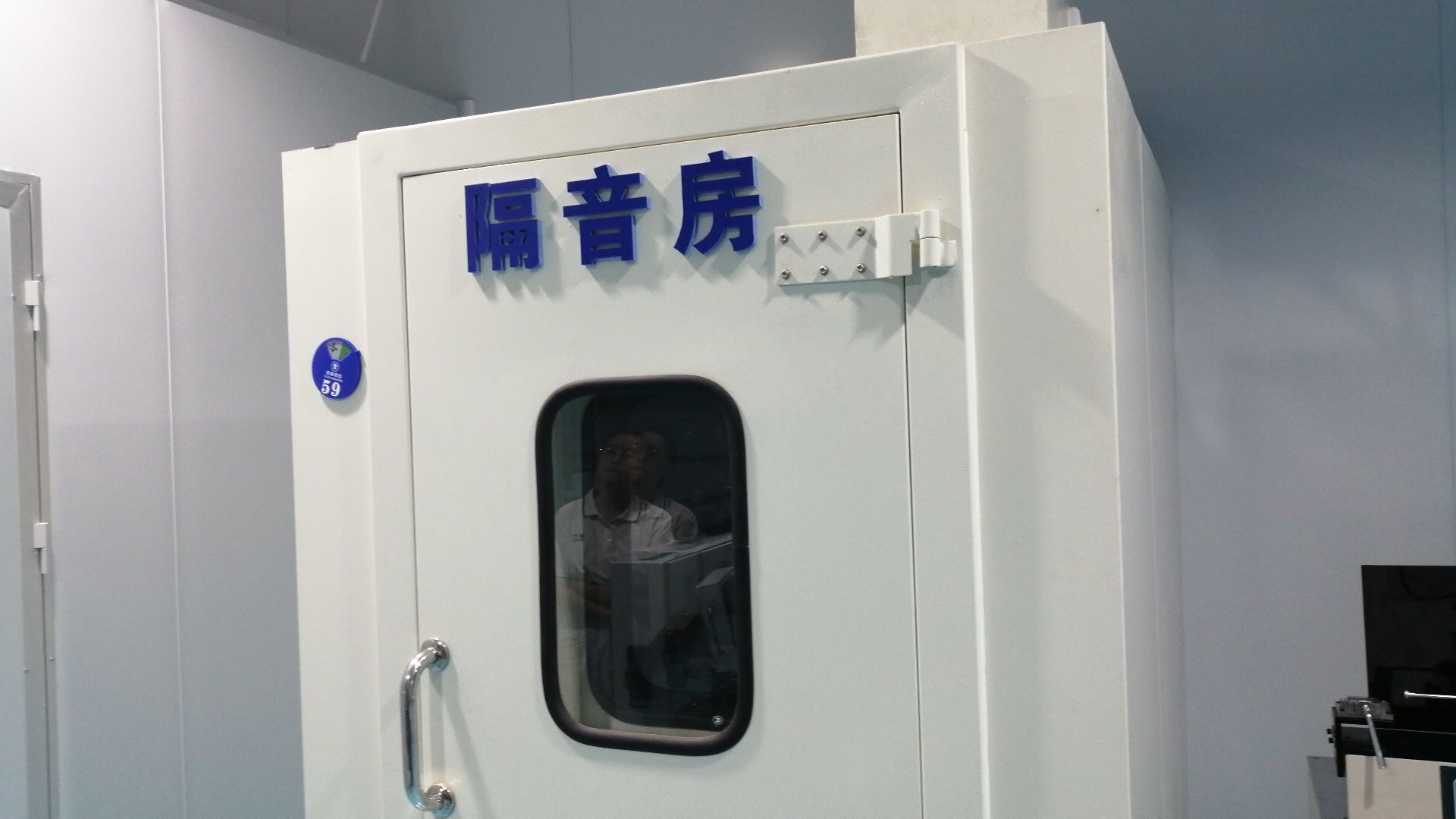
- Advanced Noise Control & Soundproof Chamber Engineering
- Eco-friendly Raw Materials & Green Supply Chain Compliance
Global Commercial & Industrial Landscape of Reversible Motors
How reversible motor systems are driving the next wave of industrial automation, smart robotics, and eco-efficient smart grid infrastructure worldwide.
The global industrial landscape is undergoing a massive shift towards high-efficiency, bi-directional motion control. Reversible motors—which allow seamless switching of rotation directions (clockwise and counterclockwise)—are critical components in this evolution. Unlike unidirectional motors, a reversible motor must maintain high torque, low backlash, and consistent electrical efficiency in both operating directions. This requires highly sophisticated rotor geometry, symmetrical stator designs, and advanced H-bridge electronic control modules.
In regions such as North America and Europe, stringent energy efficiency standards (including IE3 and IE4 motor classifications) are driving massive demand for high-efficiency Brushless DC (BLDC) reversible systems. In emerging industrial hubs across Asia-Pacific and Latin America, the focus is on robust, low-maintenance mechanical drives like permanent magnet DC (PMDC) gear motors and shaded pole AC motors to power automated agricultural equipment, smart vending kiosks, and basic industrial valves.
Furthermore, the rise of the Internet of Things (IoT) and Industry 4.0 demands that reversible motors integrate seamlessly with smart sensors and programmable controllers. The motor is no longer a silent mechanical component; it is an intelligent node in a cyber-physical system, capable of adjusting its speed, torque, and direction based on real-time sensory input, and reporting health metrics to prevent downtime.
Technical Classification & Selection Blueprint
Aligning motor topologies with specific engineering requirements for peak operational performance.
Brushless DC (BLDC) Reversible Motors
High-reliability, electronic commutation systems ideal for high-duty cycle, low-maintenance applications. BLDC motors offer superior power density, quiet operation, and exceptional heat dissipation.
- EfficiencyUp to 90%
- Lifespan>20,000 hours
- CommutationElectronic (Hall Sensors)
- Control ComplexityHigh (Requires Driver)
Permanent Magnet Brushed DC (PMDC)
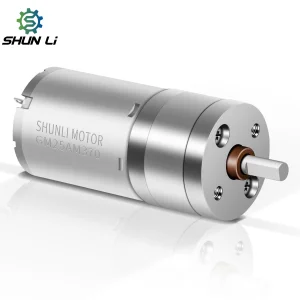
Classic mechanical commutation offering high starting torque and simple two-wire polarity reversing logic. Cost-effective for intermittent-duty cycles and uncomplicated control systems.
- Efficiency70% - 80%
- Lifespan2,000 - 5,000 hours
- CommutationMechanical Carbon Brushes
- Control ComplexityLow (Relay or H-Bridge)
Planetary & Worm Gear Systems
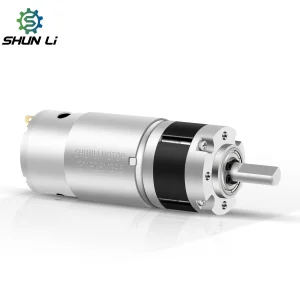
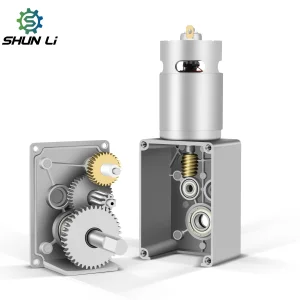
High-reduction gearboxes matched with DC motors to multiply output torque and manage heavy radial/axial loads. Worm gear variations provide natural self-locking capability for vertical holding loads.
- Max TorqueUp to 50 Kg.cm
- BacklashCustomizable down to <1°
- Gear MaterialPrecision Steel / Heavy-duty Poly
- Self-lockingAvailable (Worm Gear options)
Localized Application Scenarios of Reversible Motors
How local engineering teams utilize customized micro-drive configurations across residential and industrial settings.
🏠 Smart Home & Consumer Appliances
Modern home automation depends heavily on reliable, ultra-quiet bidirectional motion. Reversible motors drive motorized window curtains, smart locks, automatic kitchen range hoods, robot vacuum cleaner drive systems, and personal massagers. High vibration containment, extremely low decibel output (tested in soundproof rooms), and space-saving profiles are essential for integration into residential environments.
🏭 Valve Control & Fluid Automation
In localized irrigation grids, water treatment facilities, and gas distribution systems, miniature stepper-based reversible motors act as precise controllers for rotary valves. They require highly repeatable angular positioning, high holding torque to counteract water pressure, and resilience to moisture (often qualified using continuous salt spray chamber testing).
🤖 Robotics, AGVs, & Warehouse Logistics
Automated Guided Vehicles (AGVs) and sorting robots rely on high-torque, brushless planetary gear motors for precise differential steering and platform elevation. These applications demand motors that can endure sudden reversal cycles, handle large torque loads without gear deformation, and interface directly with high-resolution magnetic or optical encoders for path control.
🚗 Automotive Actuators & Comfort Systems
Automotive manufacturers integrate micro reversible motors to regulate wing mirror adjustments, electronic seats, window glass lifting, and HVAC air damper gates. Crucial criteria for this segment include high temperature resistance (for engine bay adjacent areas), compact envelope dimensioning, and structural integrity under constant mechanical vibration.
China Factory Supply Chain Resilience & Lean Efficiency
Why manufacturing vertical integration and state-of-the-art machinery ensure consistent global delivery and cost stability.
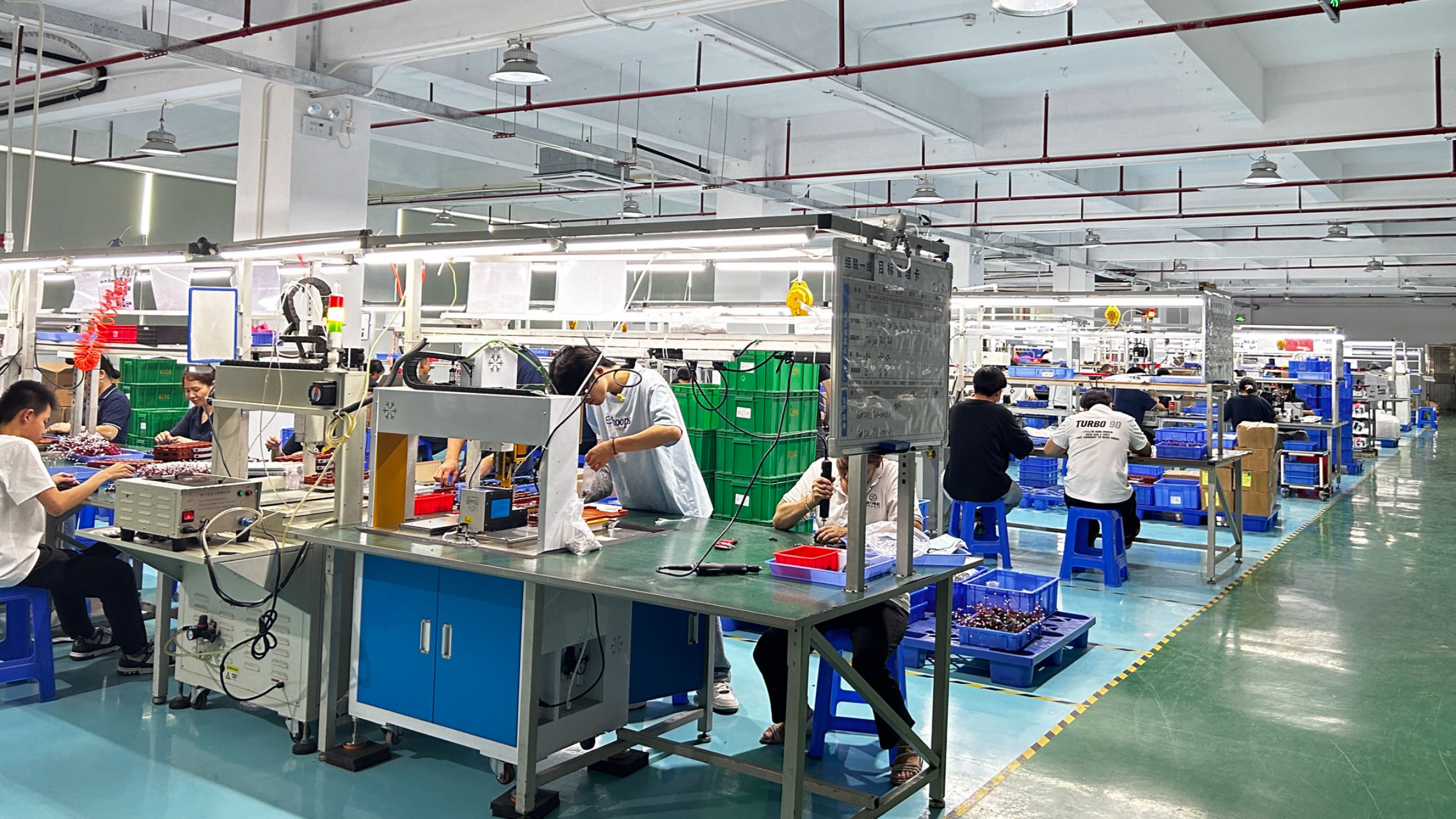
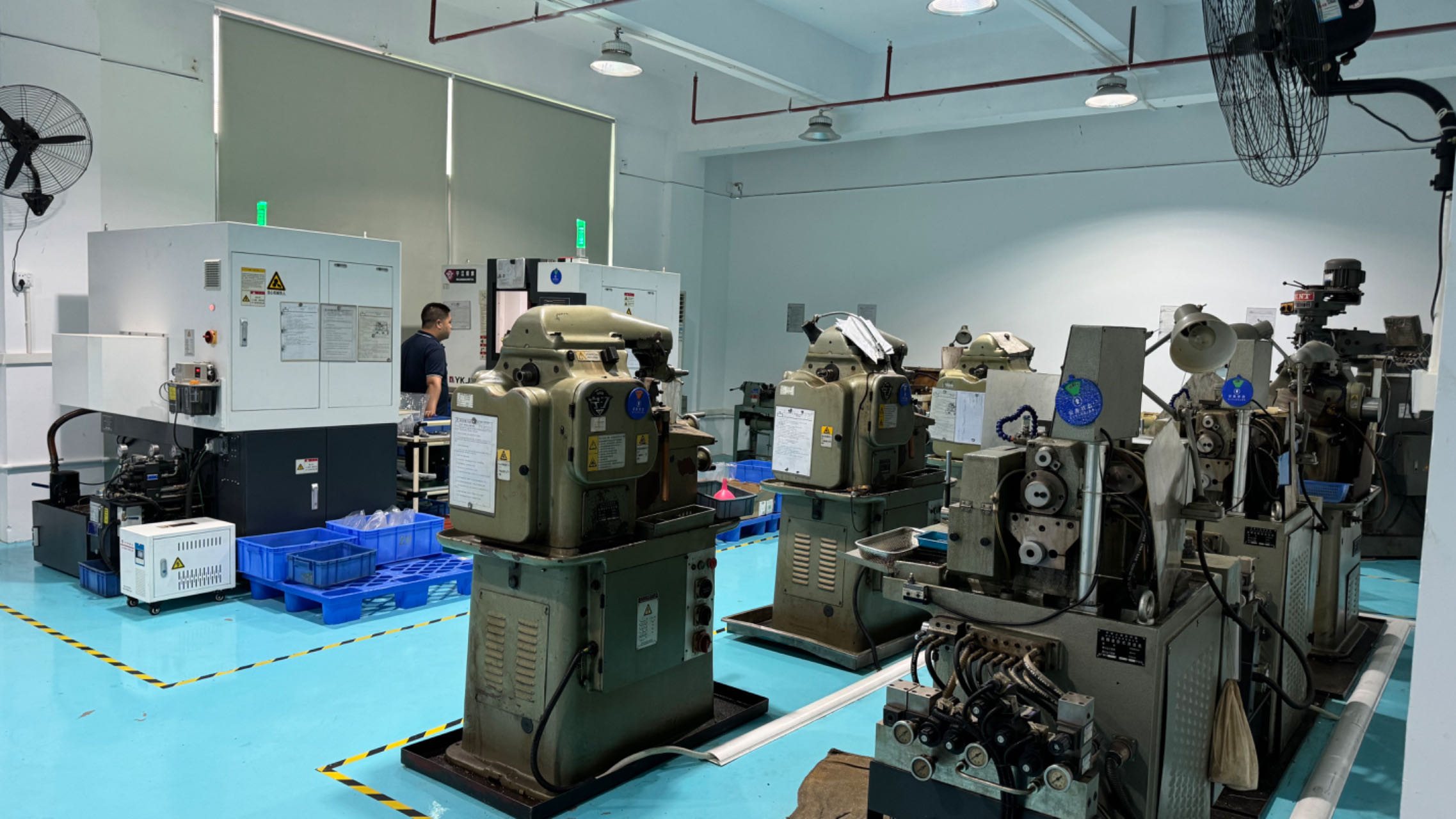
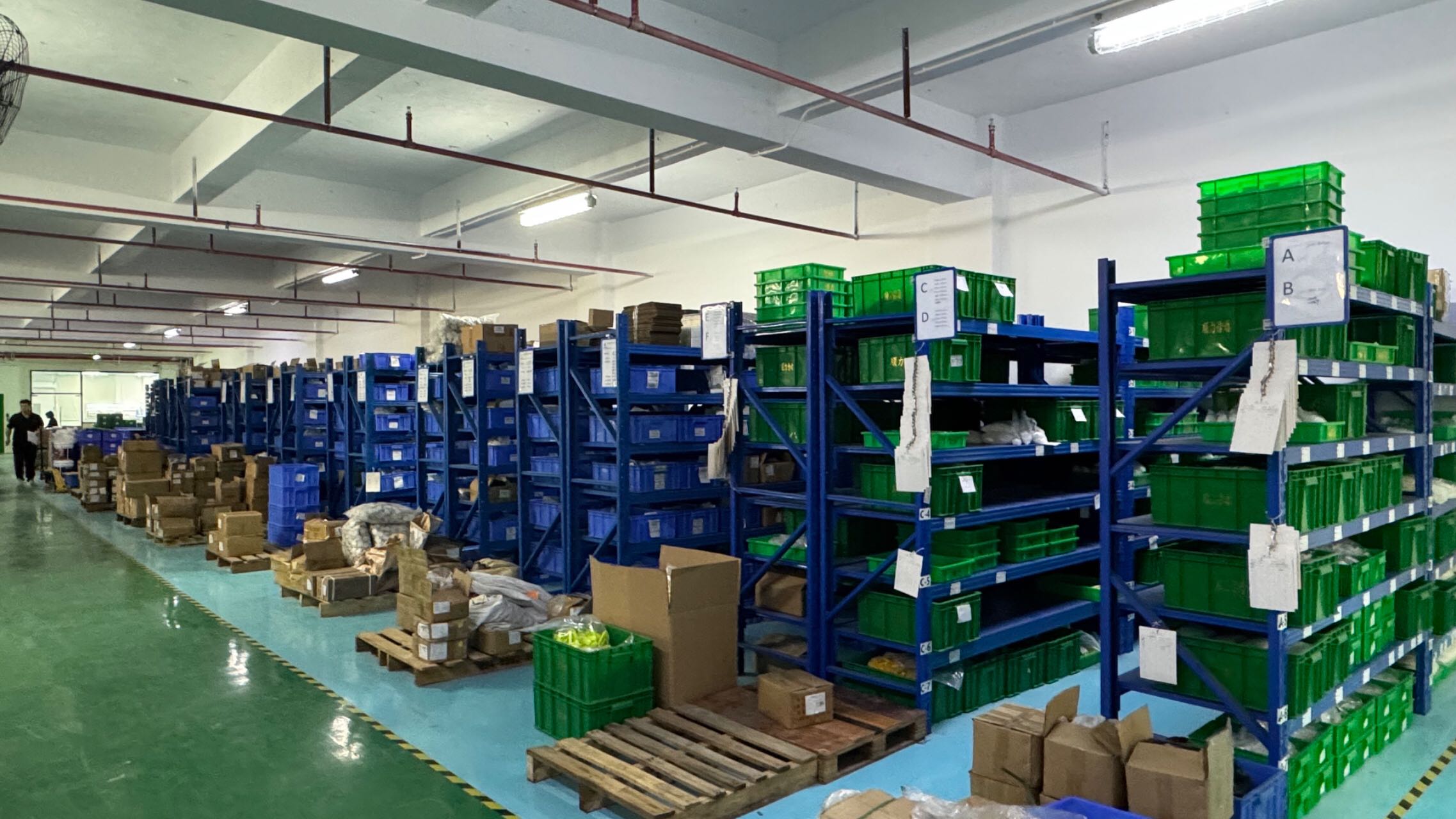
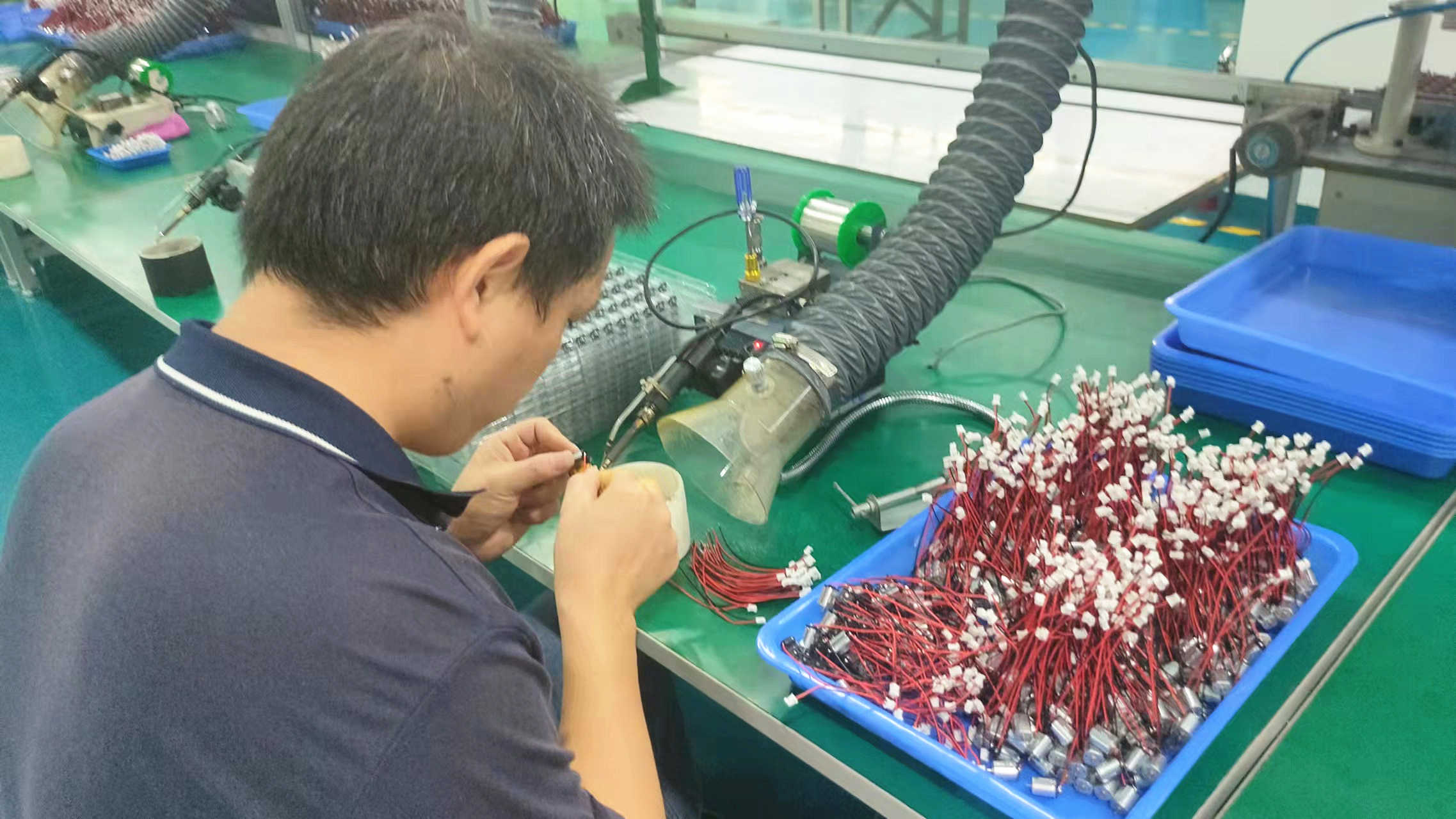
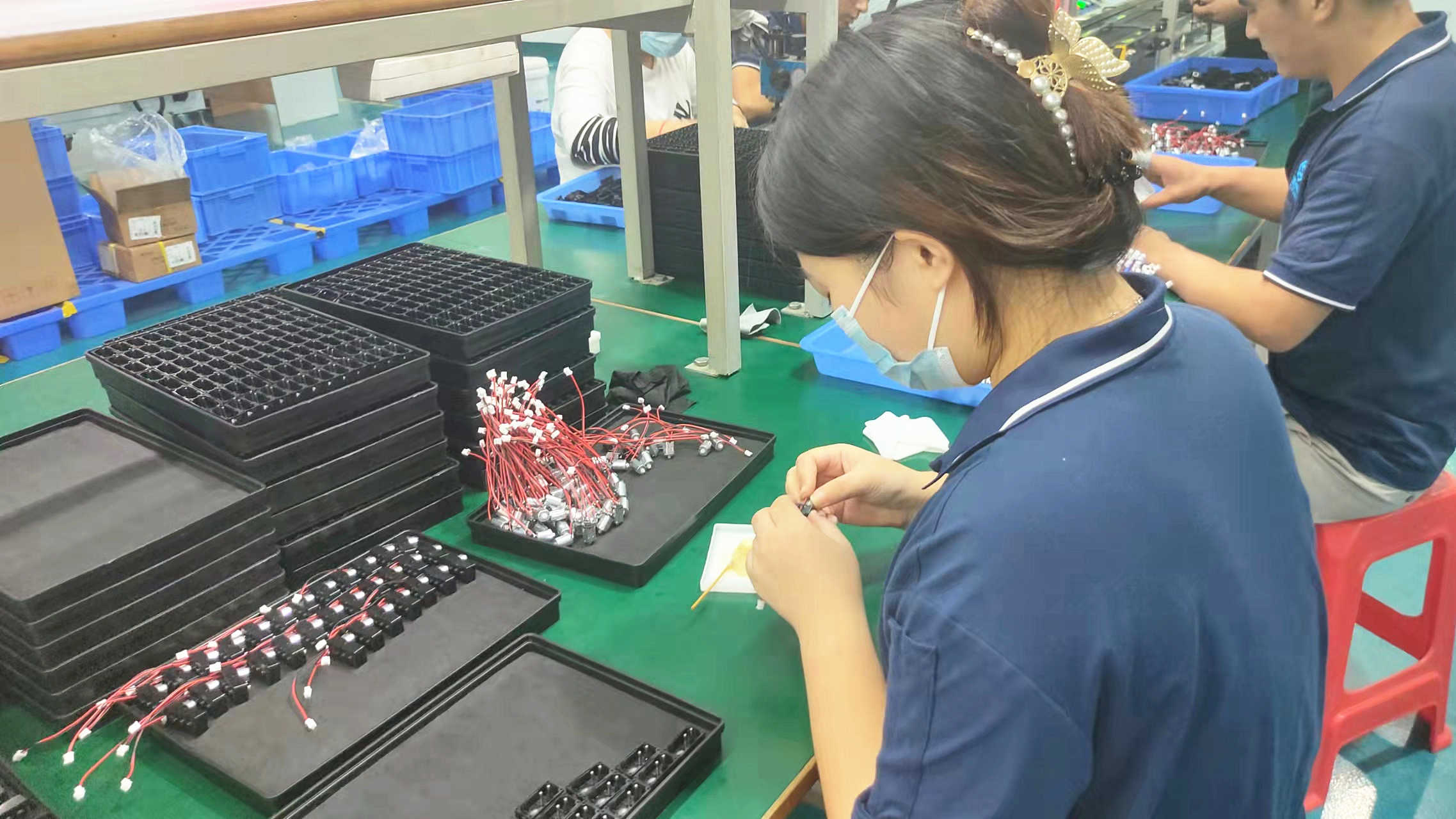
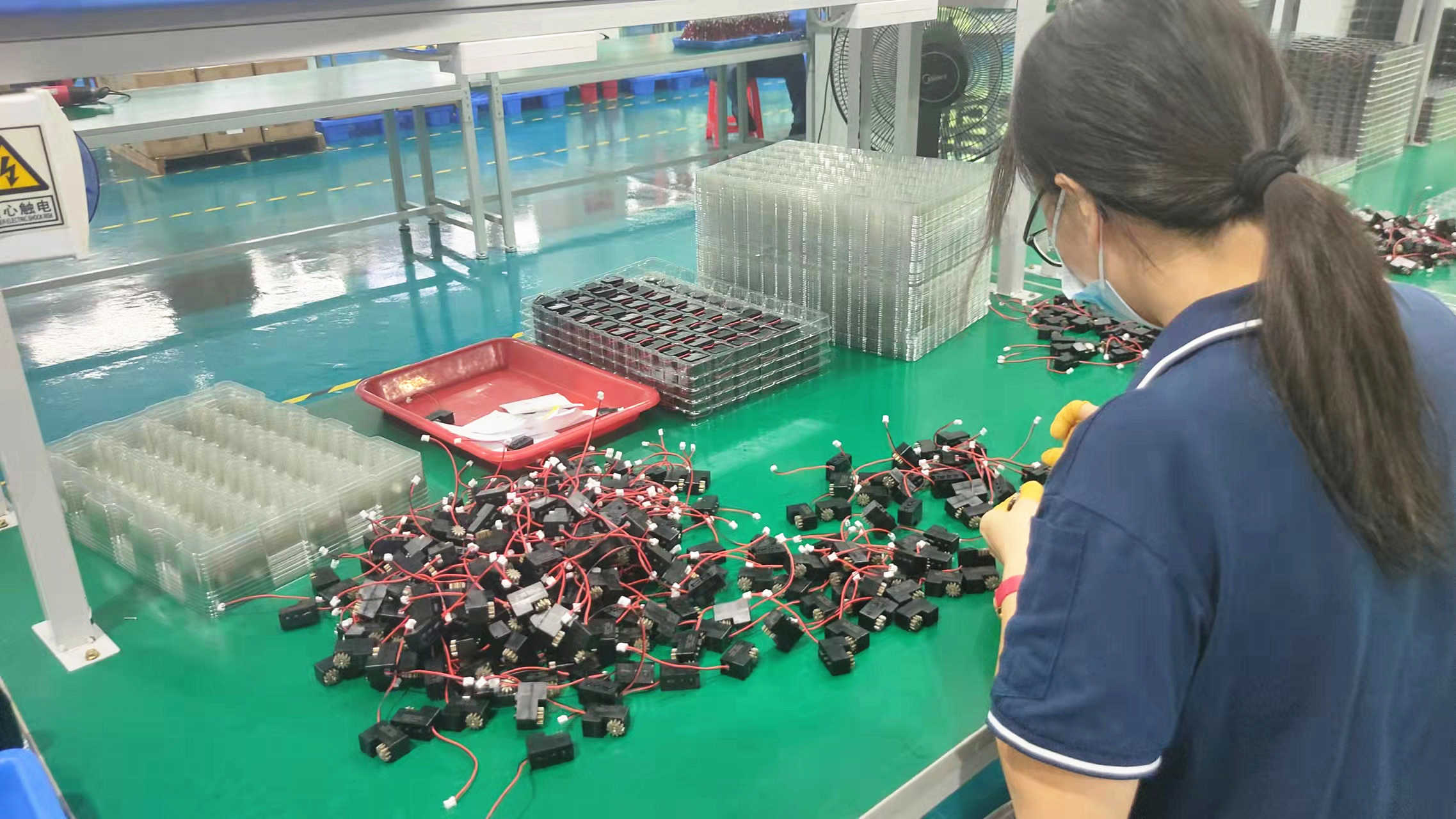
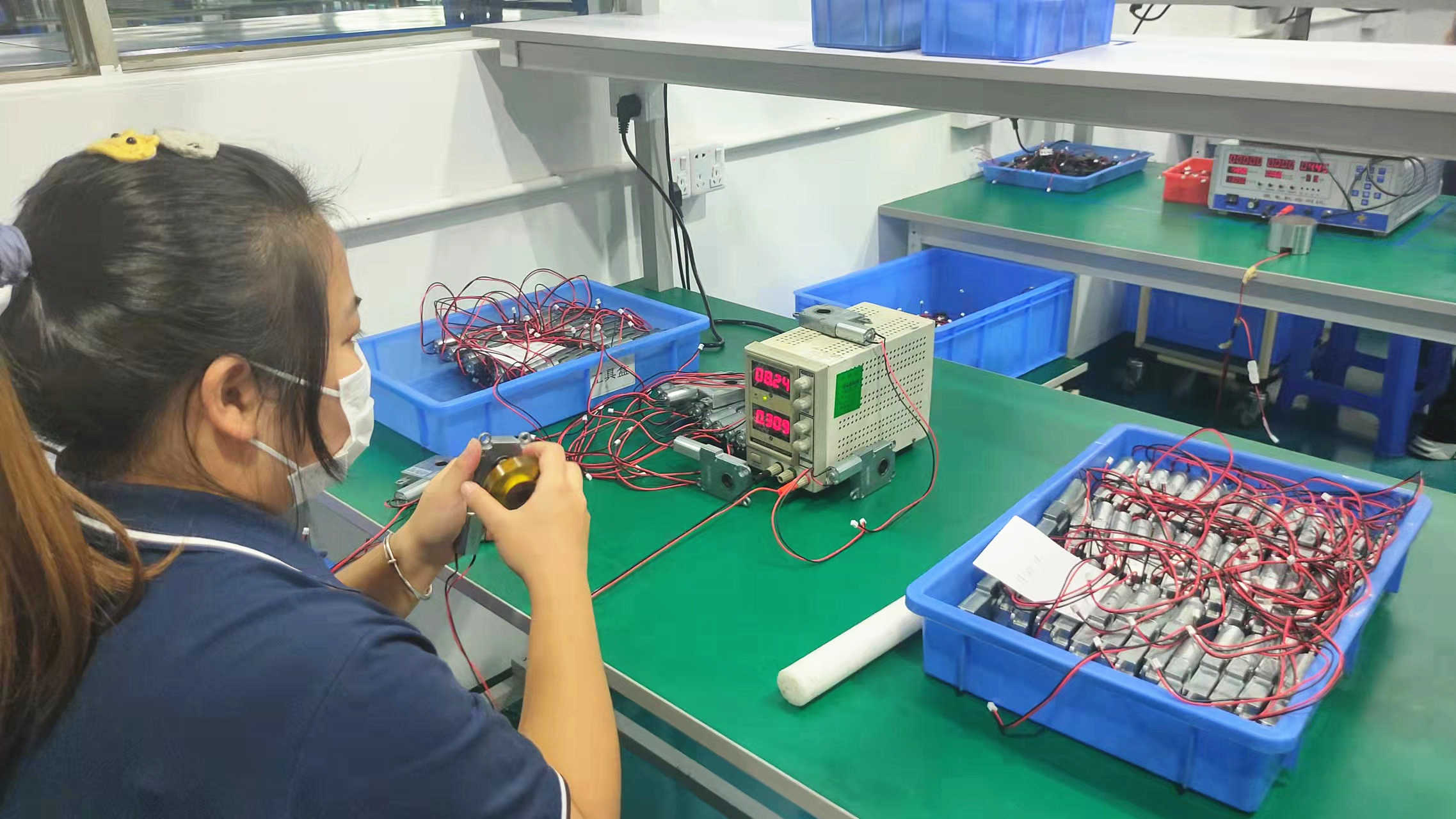
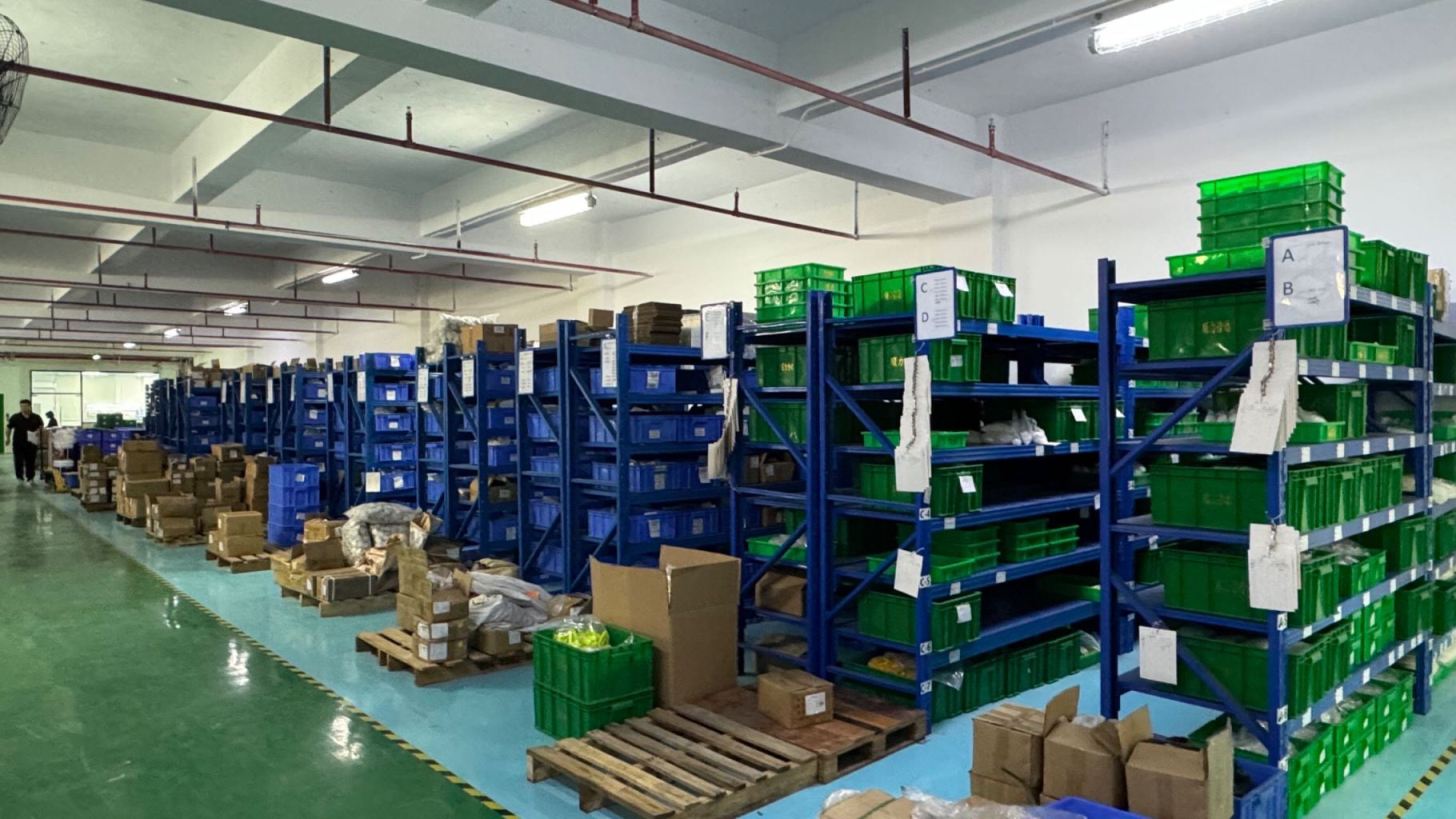
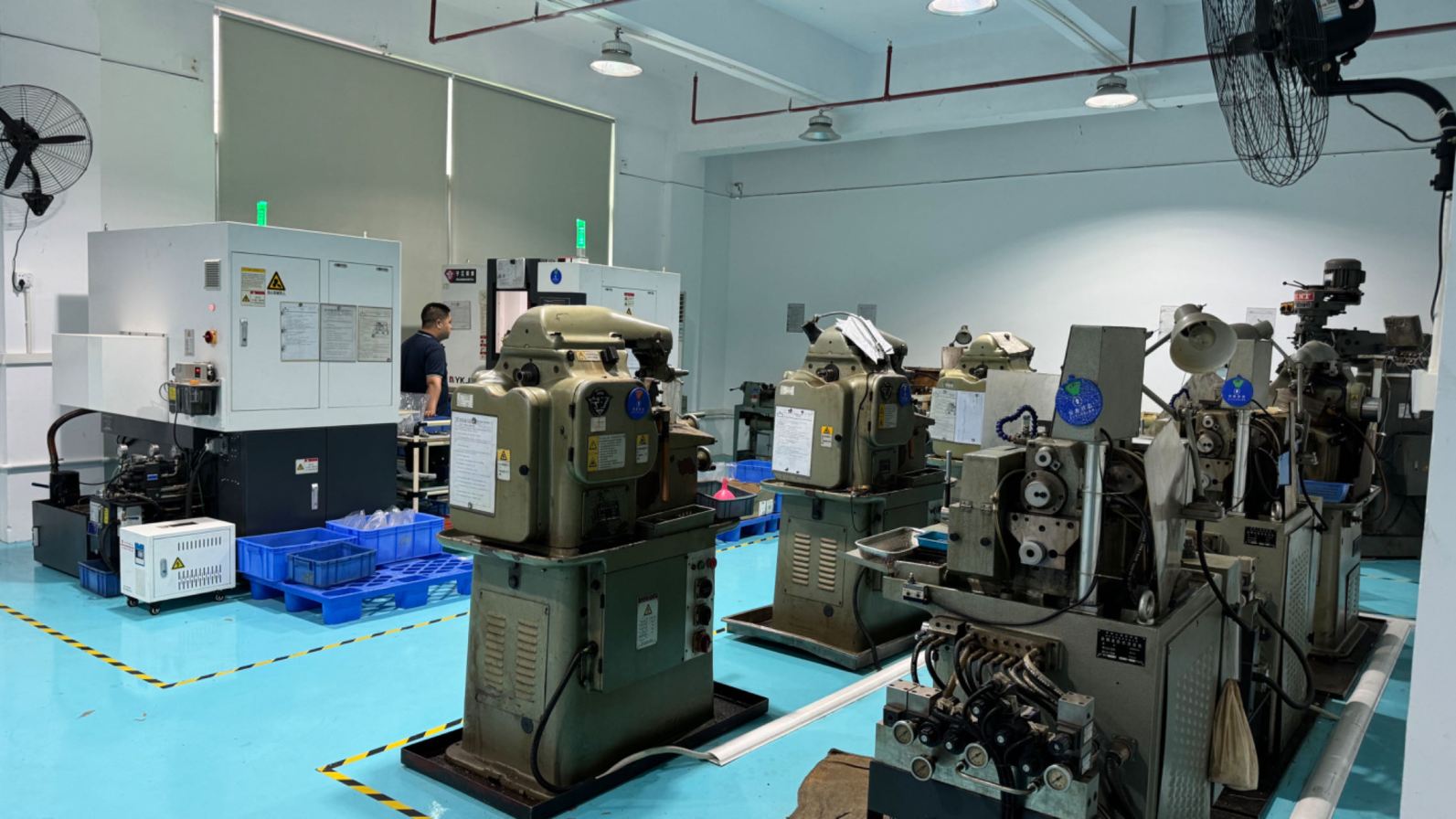
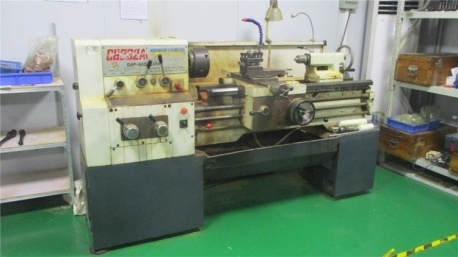
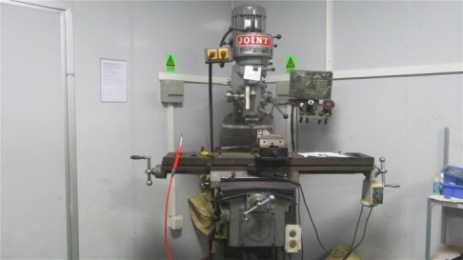
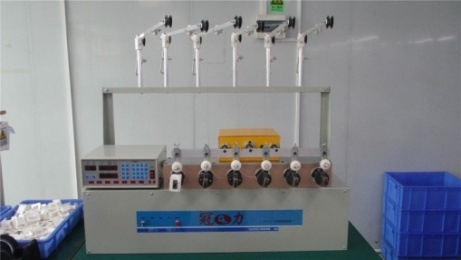
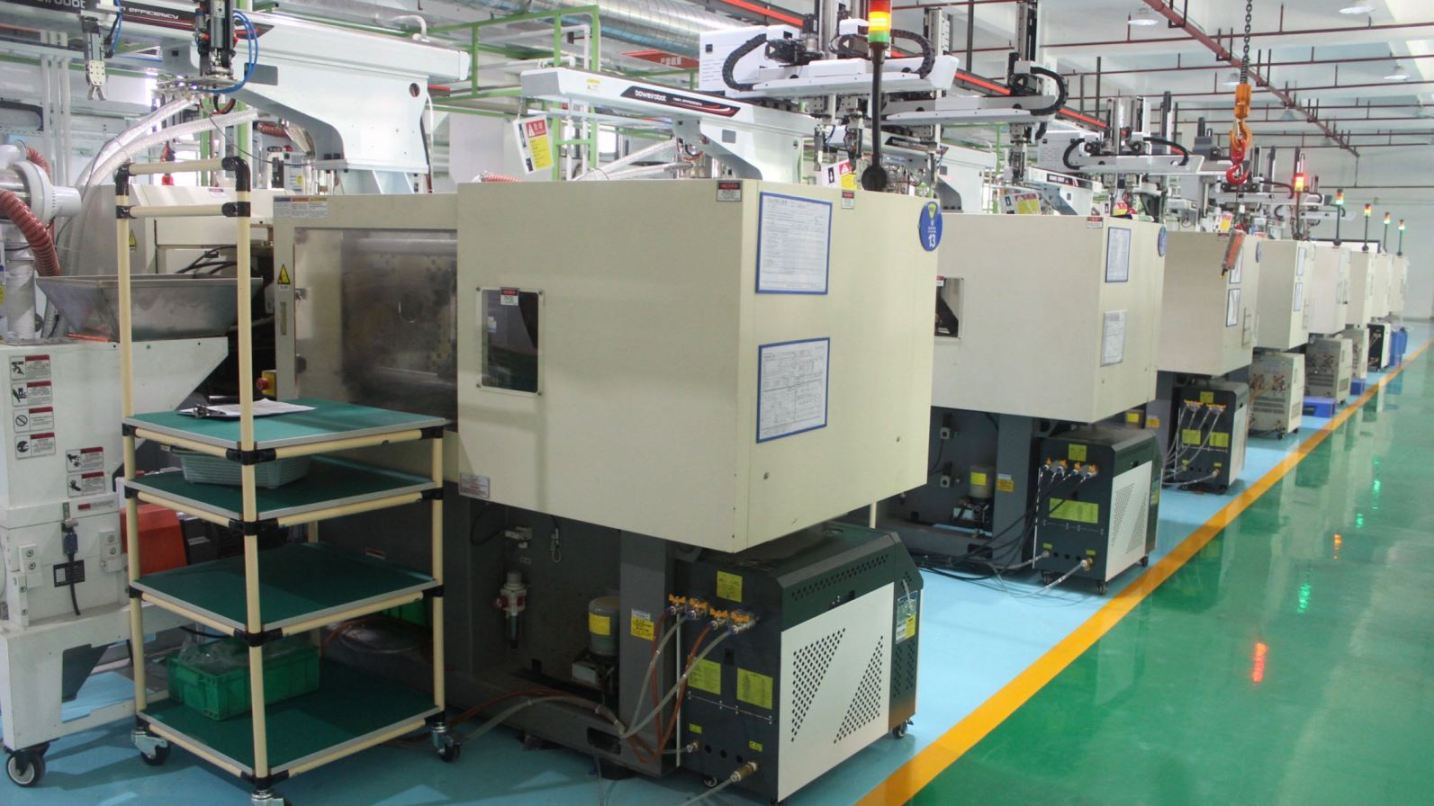
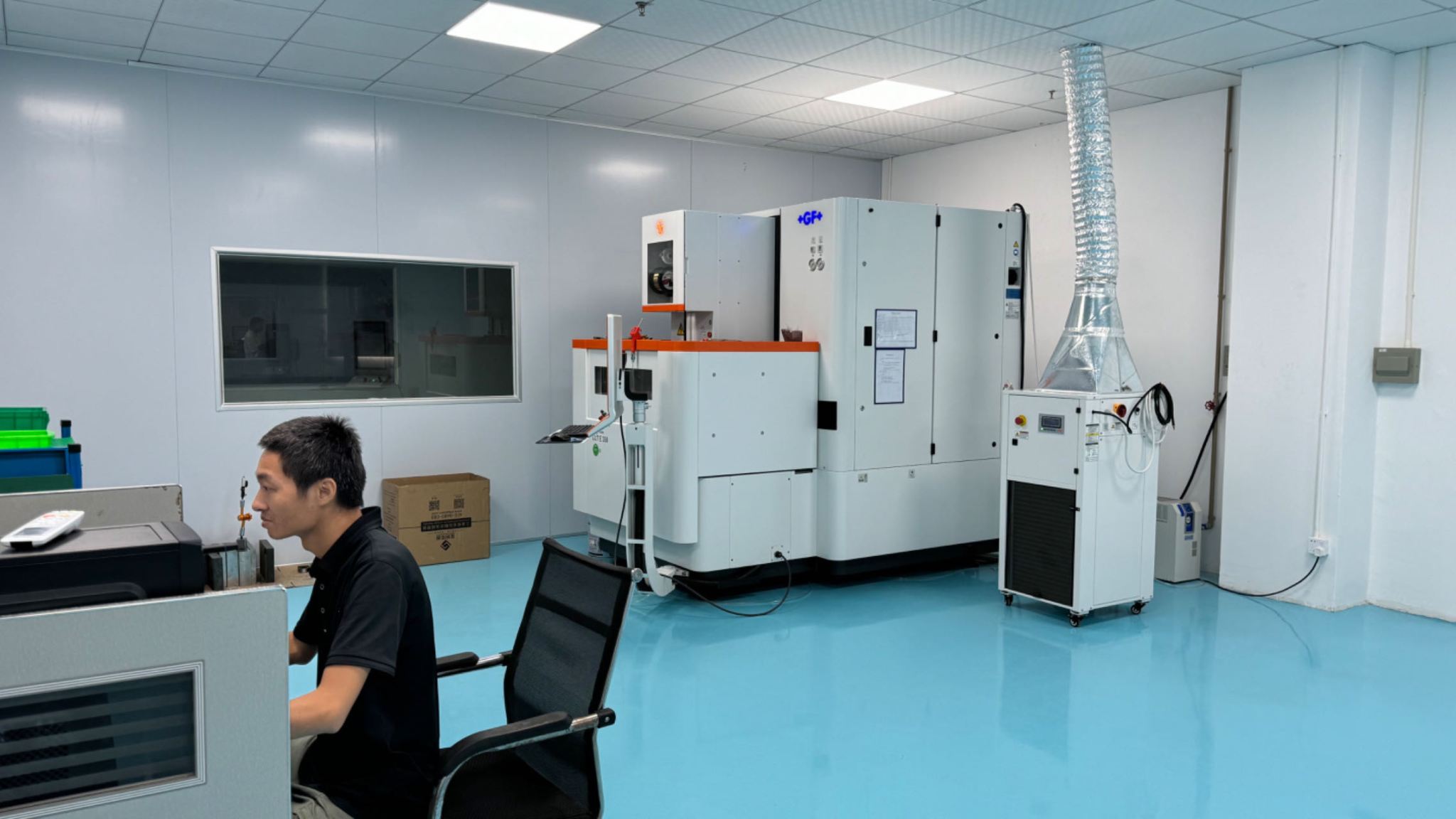
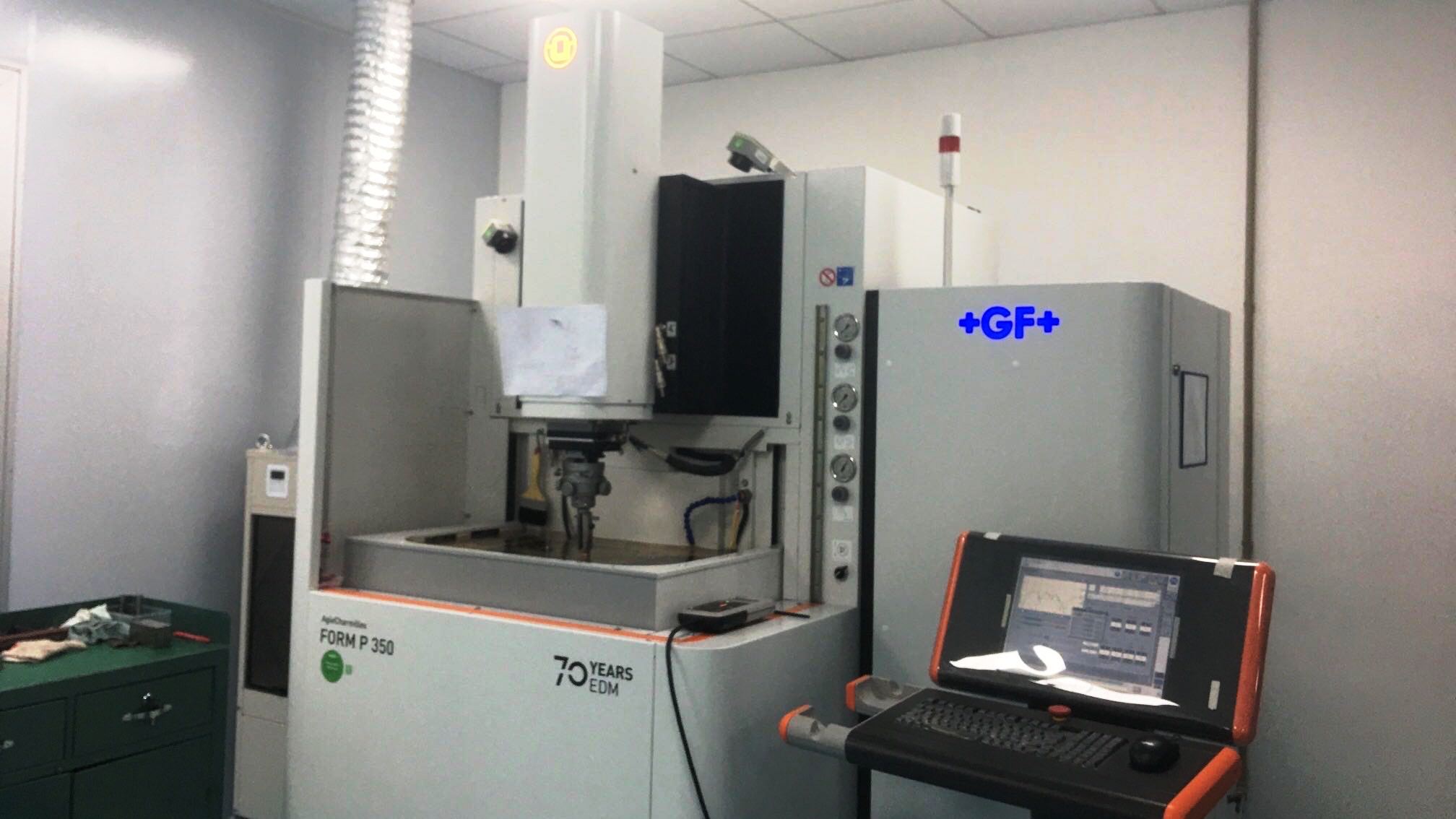
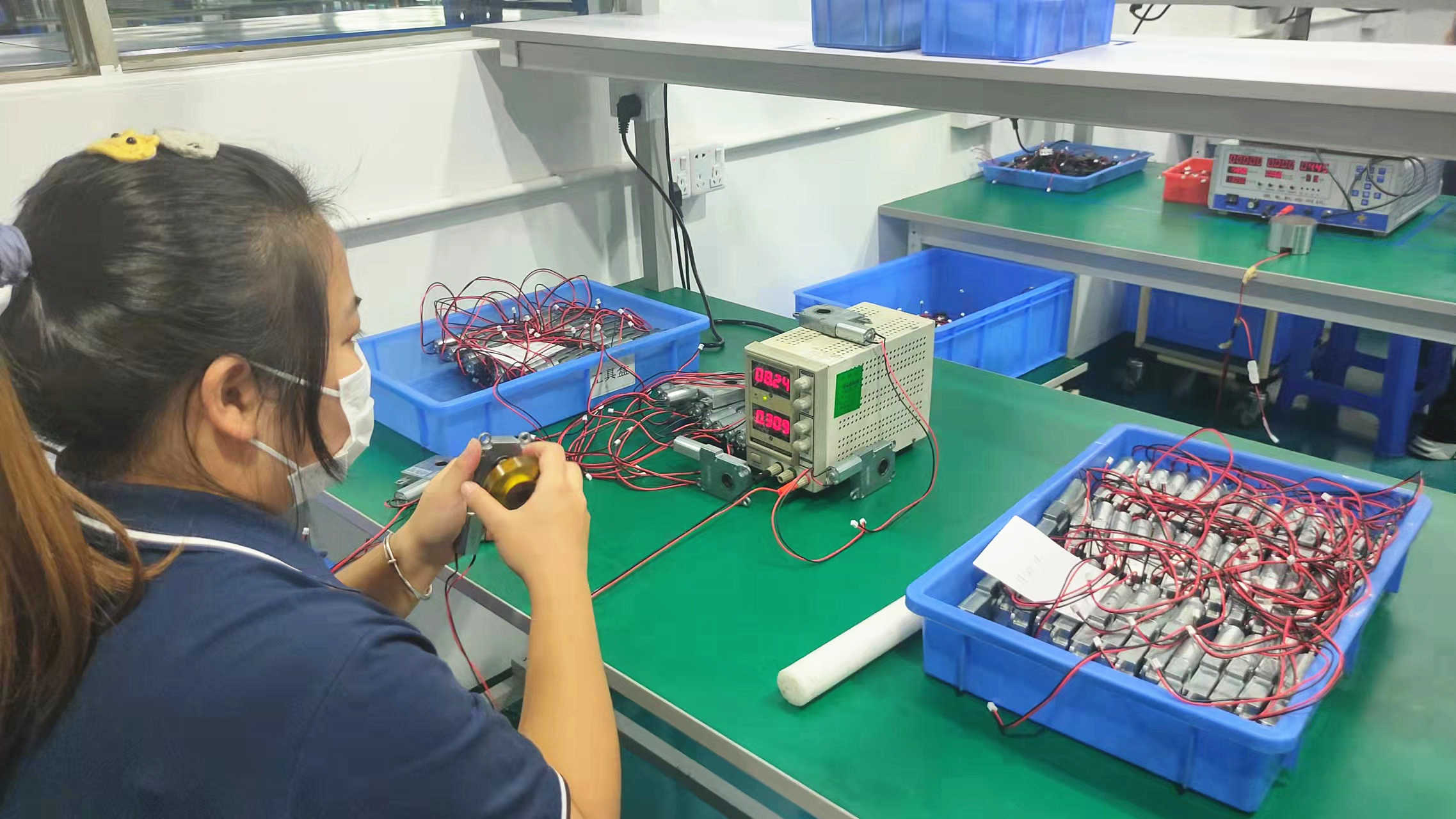
The global supply chain is susceptible to disruptions. Micprec Motor's manufacturing base in China counters these variables through rigorous vertical integration. By handling raw material inspection, precision metal lathing, component milling, automated copper wire winding, sub-assembly soldering, and final testing under a single quality control standard (ISO 9001), we reduce lead times and eliminate external supplier margins.
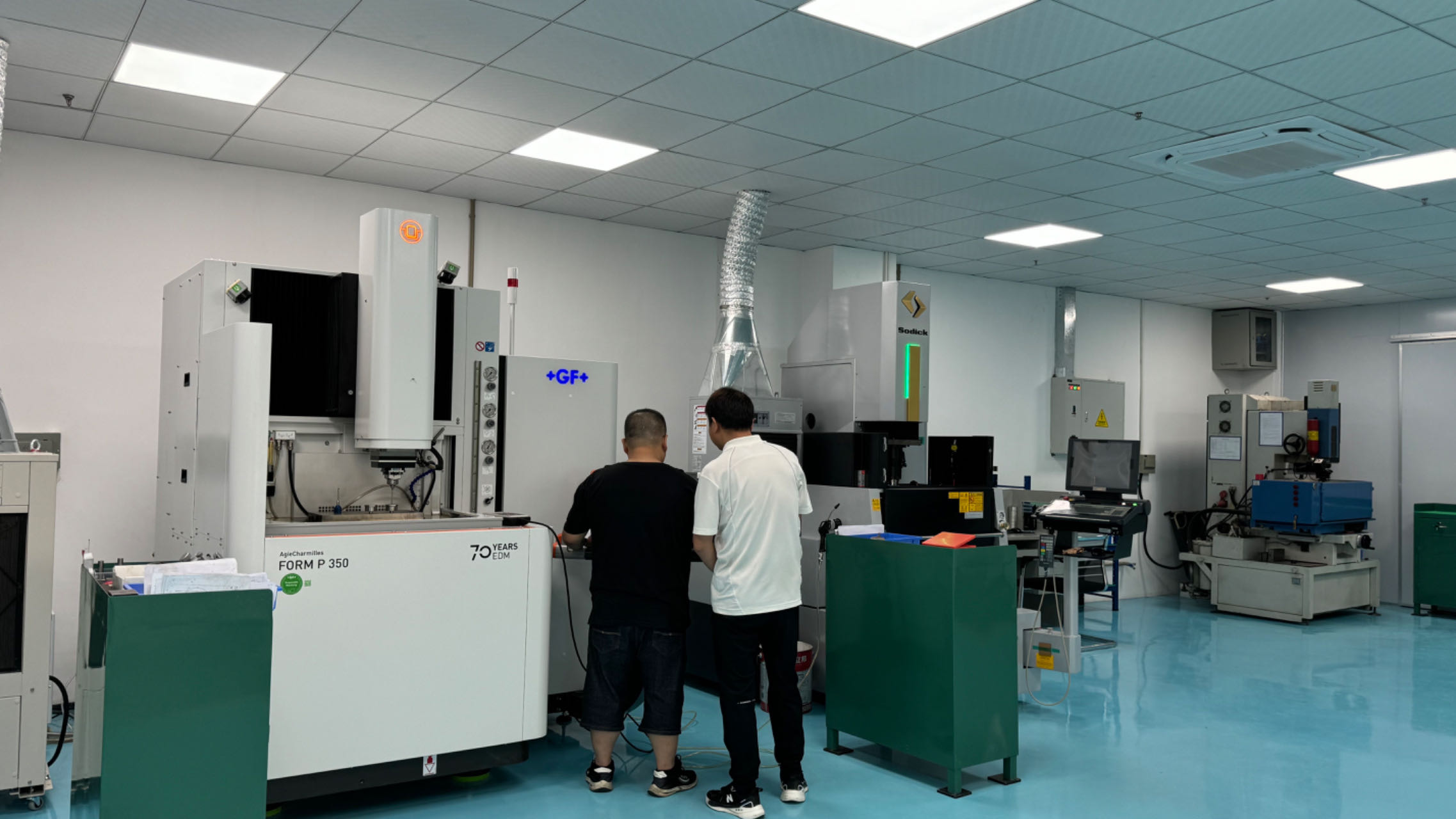
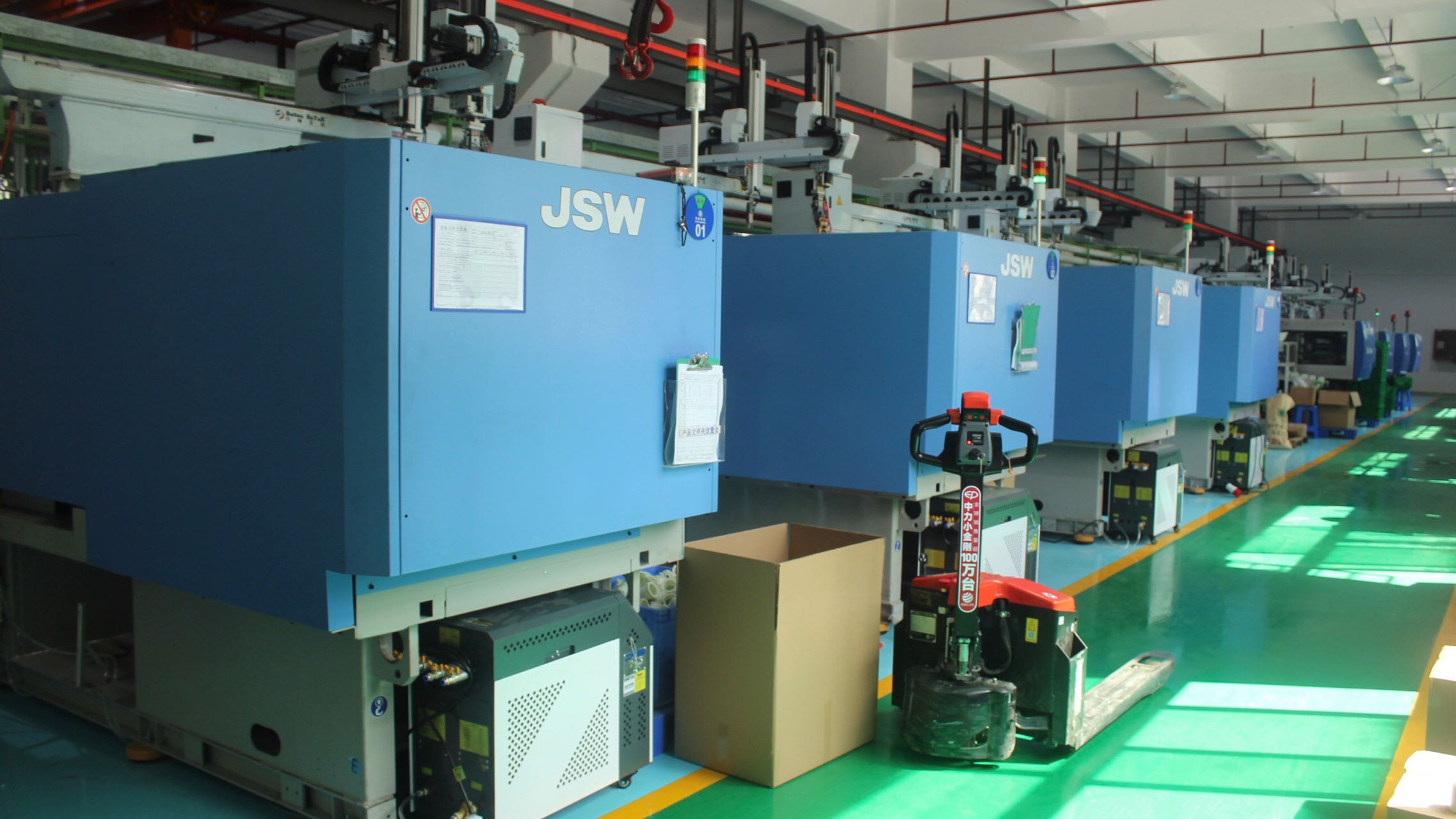
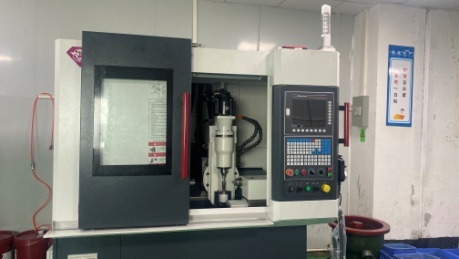
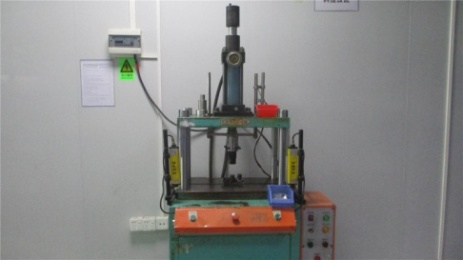
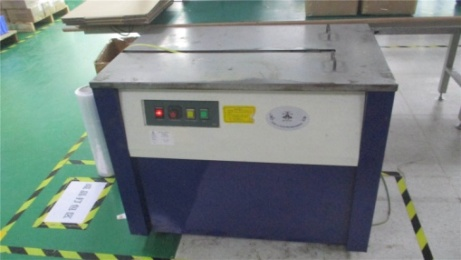
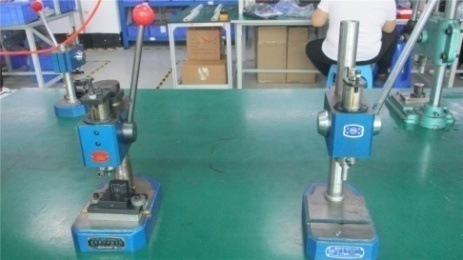
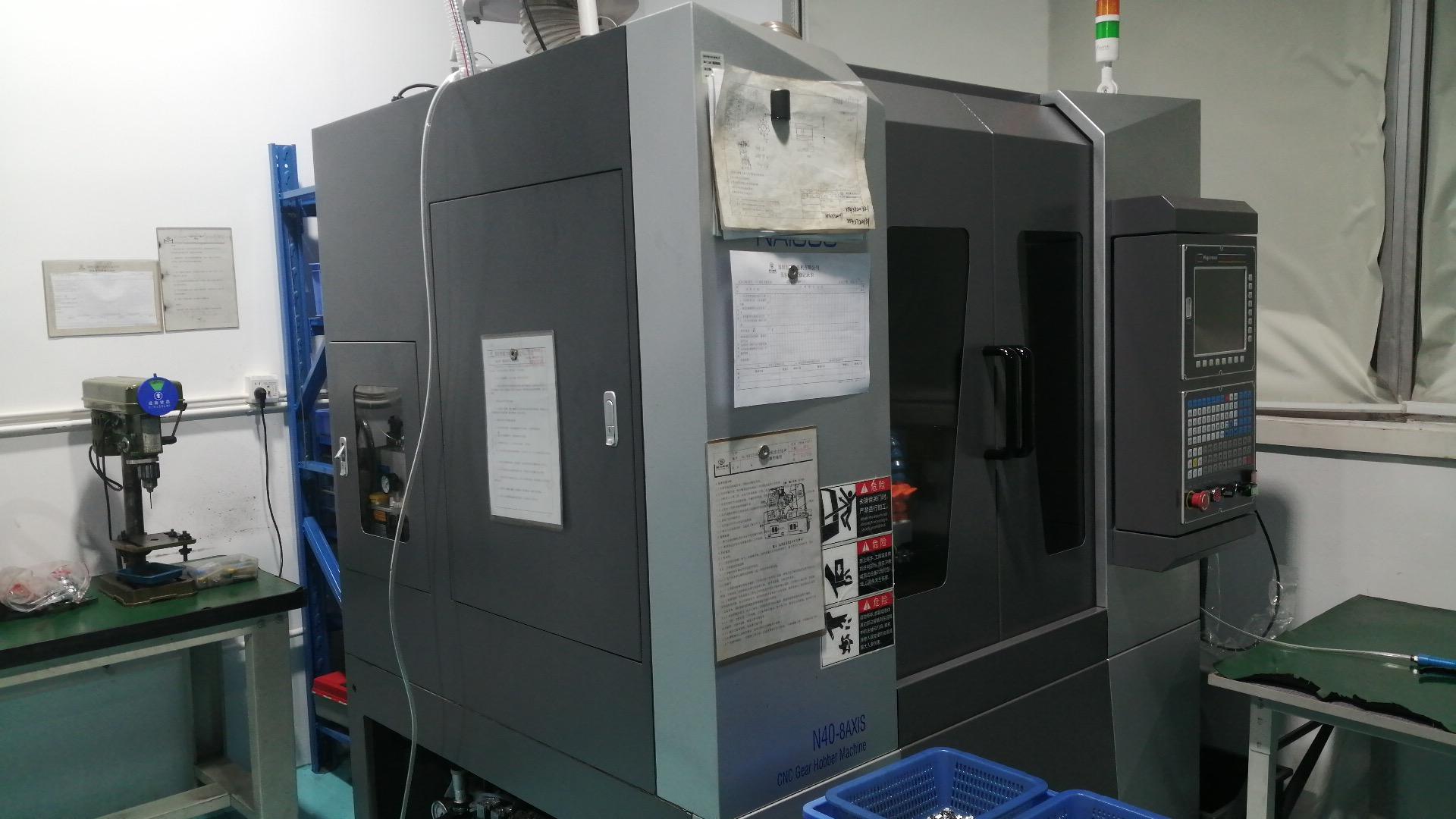
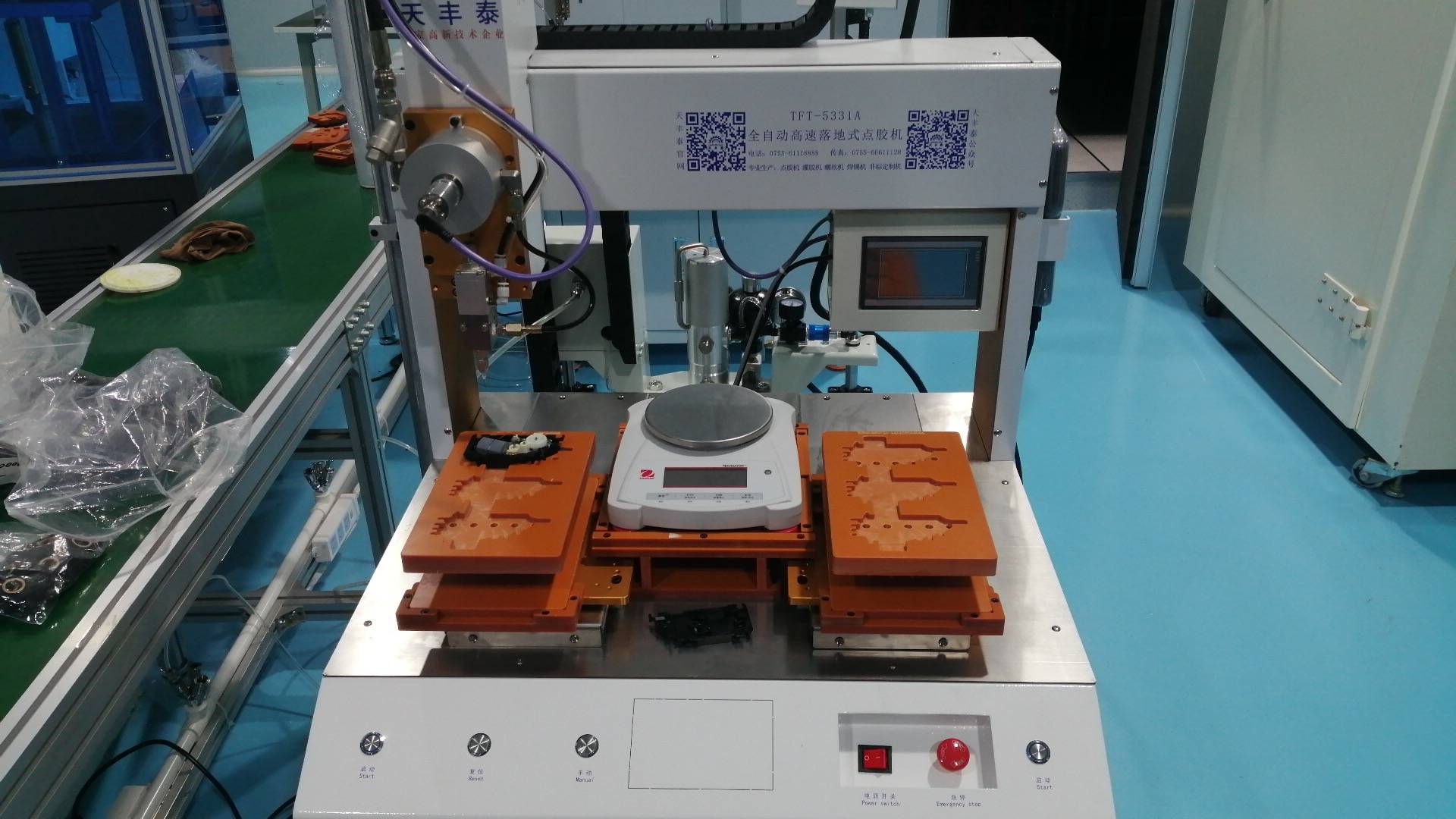
Our facility features advanced engineering machinery, including Ningjiang CNC Machine Tools, High-Precision Horizontal Gear Hobbing Machines, and automated wire winding equipment. By automating critical processes like gear riveting and glue dispensing, we achieve sub-micron tolerances, ensuring that every batch of gearboxes performs with minimal noise and maximum mechanical efficiency.


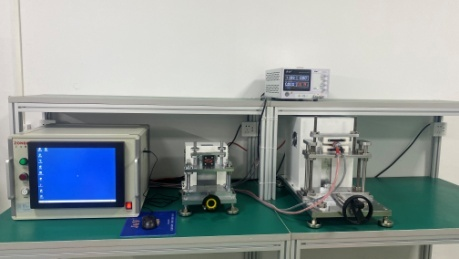
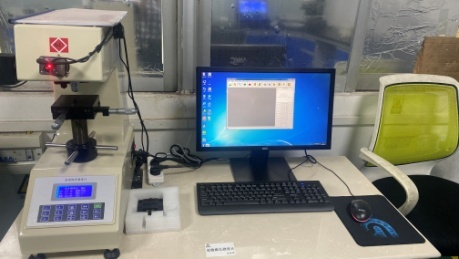
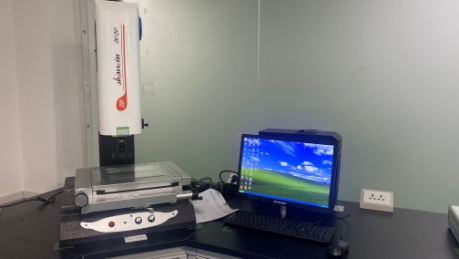
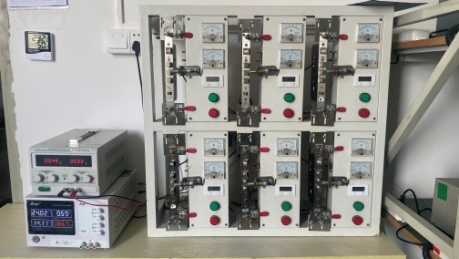
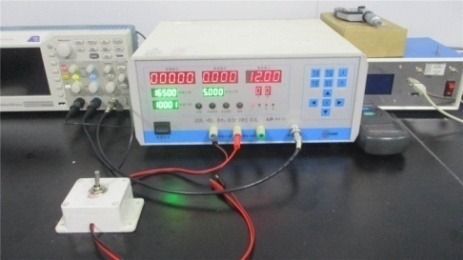
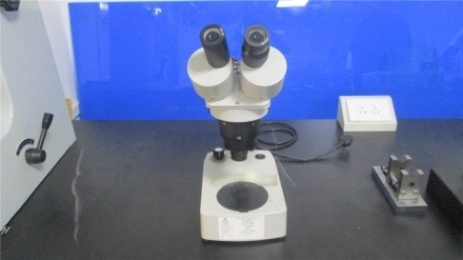
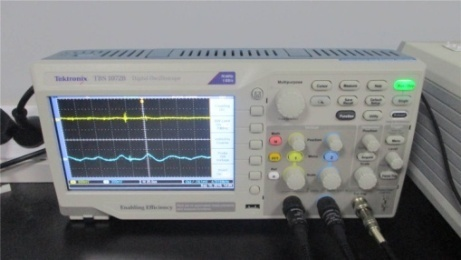
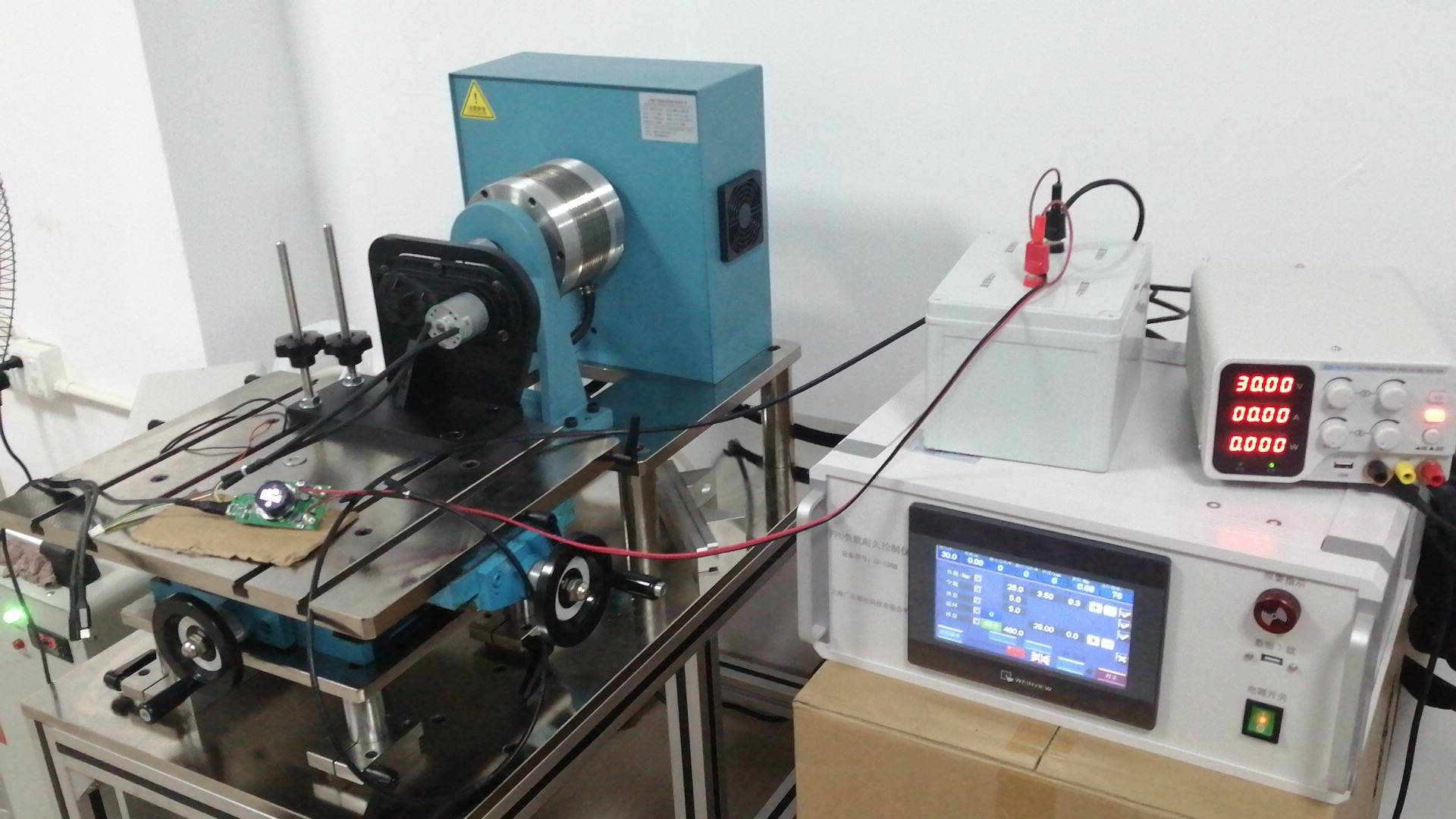
Advanced QC Laboratories & Validation Systems
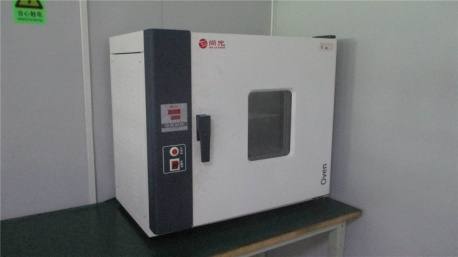
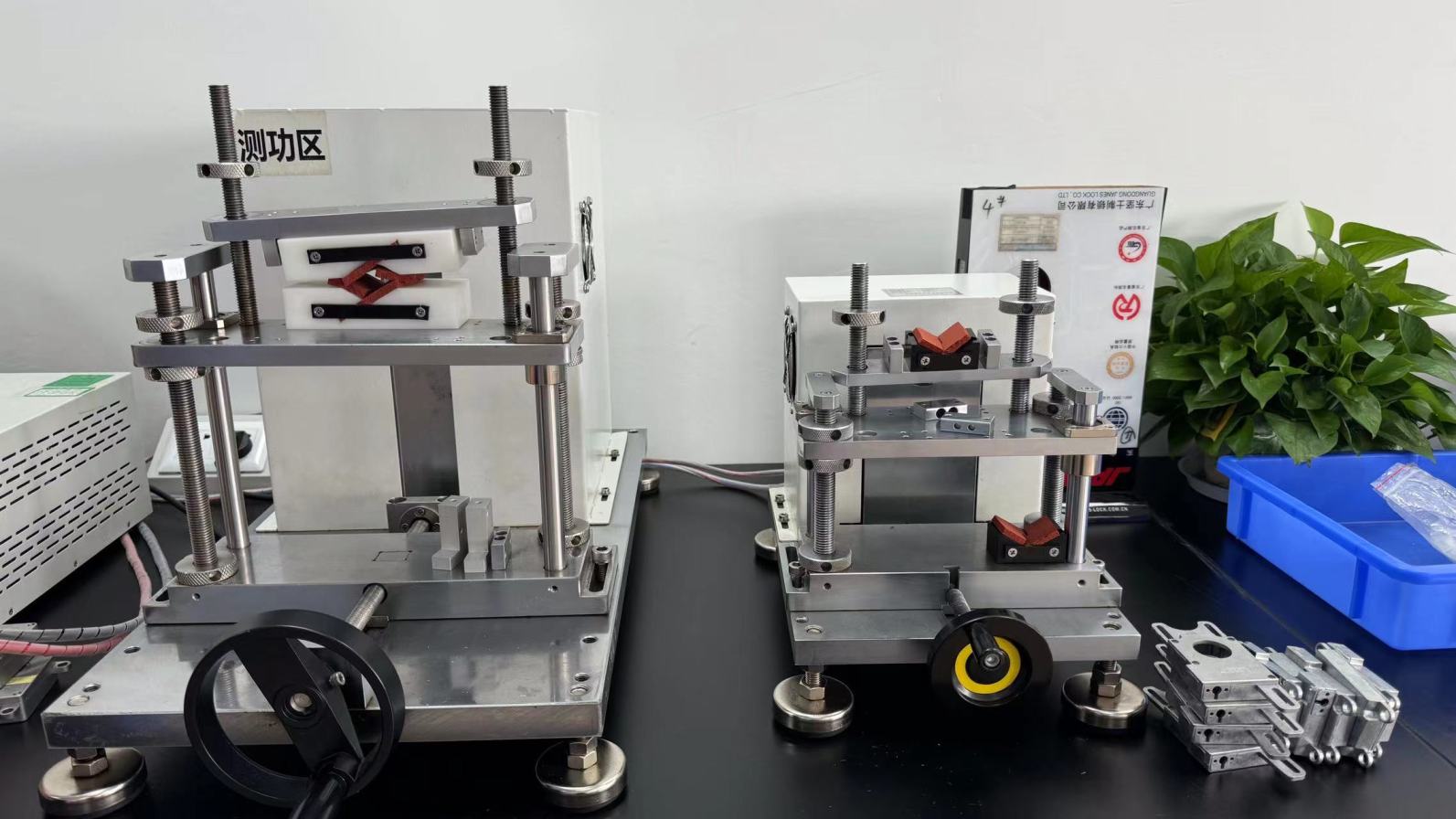
No motor leaves our floor without undergoing strict mechanical and environmental testing.
Custom R&D and Engineering Validation
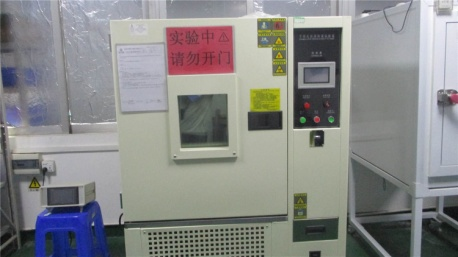
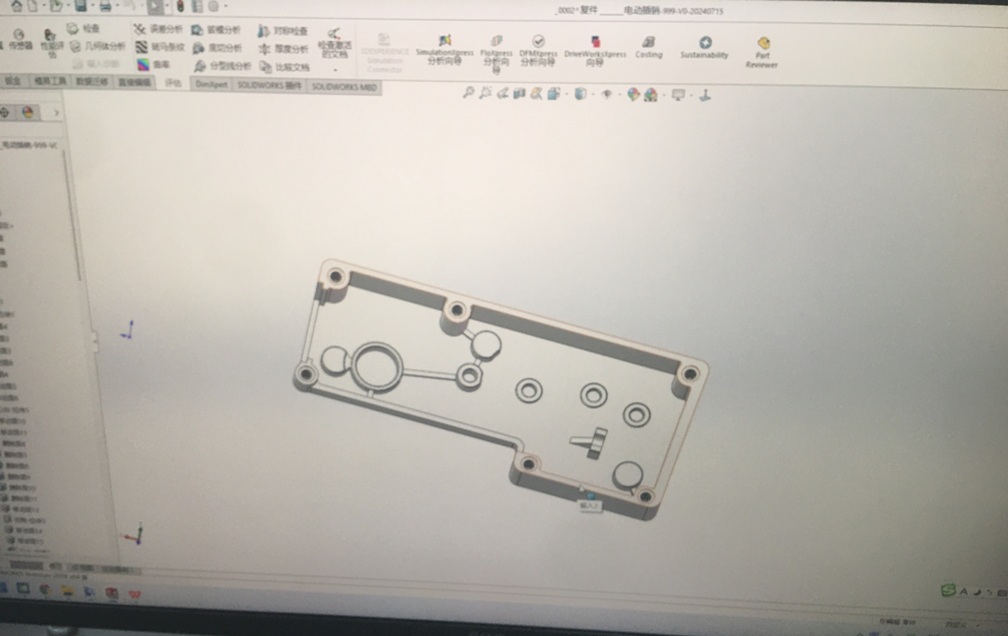
From conceptual drawing to rapid prototyping and testing chamber validation, our engineers co-develop your custom motion solutions.
Technical Roadmap & Future Outlook
The future of micro-motion is smart, integrated, and highly efficient. Here is how we are developing tomorrow's reversible drives.
As we look towards the next decade, reversible motor technology will progress along three key technical axes: sensorless vector control, extreme miniaturization, and advanced material composition. By replacing physical Hall sensors with advanced back-EMF mathematical algorithms, sensorless control reduces wiring complexity and point-of-failure vulnerabilities, enabling micro-motors to operate reliably in highly confined or harsh environments.
Additionally, our R&D roadmap focuses on the integration of integrated gearboxes made of advanced high-strength composites. These materials reduce the overall weight of the motor-gear assembly while increasing damping capacity, which lowers operating noise.
We are also heavily investing in our sustainable manufacturing processes, exploring recycled magnet supply chains, and integrating organic, biodegradable greases for long-term gear lubrication. Through these innovations, we ensure that our global partners stay ahead of local environmental directives while obtaining a distinct competitive edge in their respective markets.
Frequently Asked Questions (FAQ)
Answers to critical mechanical and electrical inquiries for procurement officers and engineering design managers.
Precision Engineered Reversible Motors - Catalog Part B
Explore the second half of our motor series, showcasing high-torque worm gears, stepper modules, and permanent magnet DC drives.