Micprec Motor
Featured Micro Motor Solutions
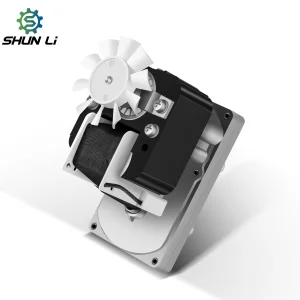
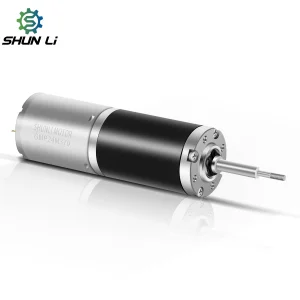
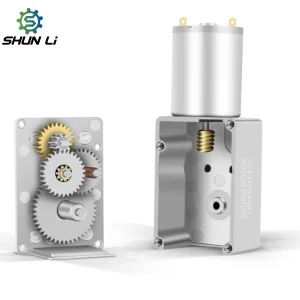
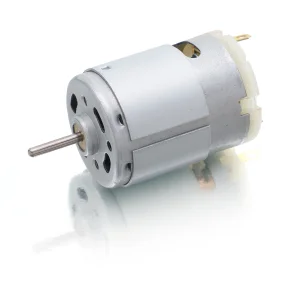
Explore our high-efficiency precision micro motors engineered to support dual shaft configurations and custom transmission gears.
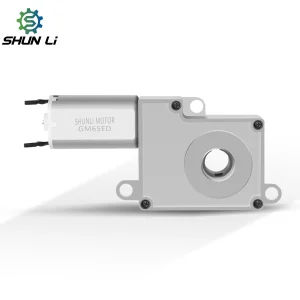
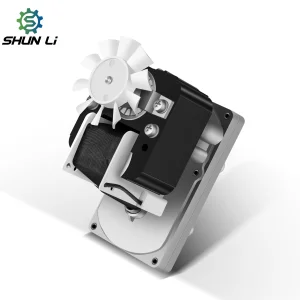
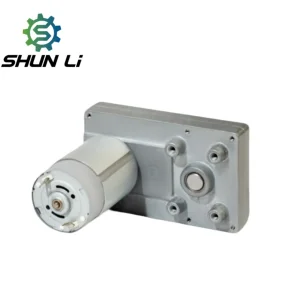
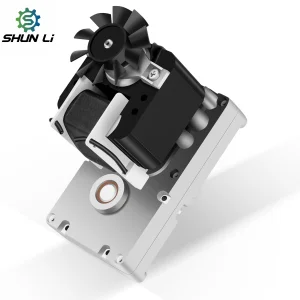
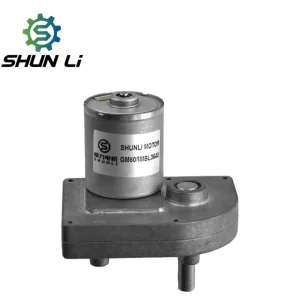
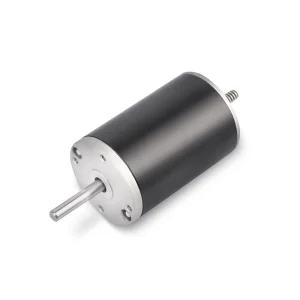
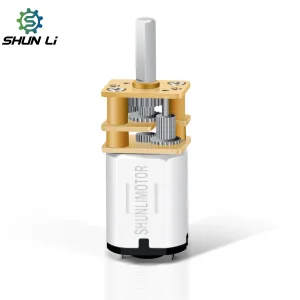
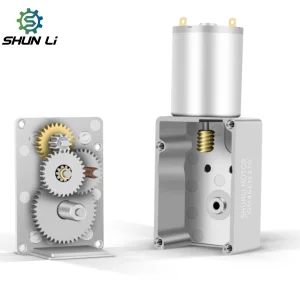
The Technical Architecture & Advantages of Dual Shaft Motors
In advanced mechanical designs, the configuration of the output transmission represents the boundary between simple rotation and highly synchronized, multi-axis system operation. A Dual Shaft Motor (also recognized as a double-ended shaft motor) provides output shafts on both ends of the rotor. This design provides unique advantages for applications requiring mechanical synchronization, manual tuning capabilities, or real-time closed-loop control.
By providing two distinct output interfaces, mechanical engineers can utilize one side for primary mechanical power transfer—such as linking to a high-reduction planetary or worm gearbox—while utilizing the secondary side for monitoring or supplementary output. For instance, mounting a magnetic encoder, optical tachometer, or electromagnetic brake on the rear shaft allows for real-time speed, direction, and position sensing without interfering with the primary load transmission.
Additionally, dual shaft configurations facilitate manual override options. In emergency circumstances or calibration phases, the auxiliary shaft can be fitted with a manual knob or handwheel, ensuring process safety and high-fidelity positioning checks for automated valves, actuators, and clinical diagnostic machinery.
To match diverse couplings and gears, we offer detailed configurations including D-cuts, round keys, cross-drilled holes, external/internal threading, and hollow central passages. Shaft diameters can be adjusted to strict tolerances to manage high radial forces.
Winding profiles can be optimized for specific operation requirements. Whether the application calls for low-voltage battery drive (3V to 12V DC) or higher operating voltages (up to 240V AC), windings are tuned to produce the necessary RPM and torque.
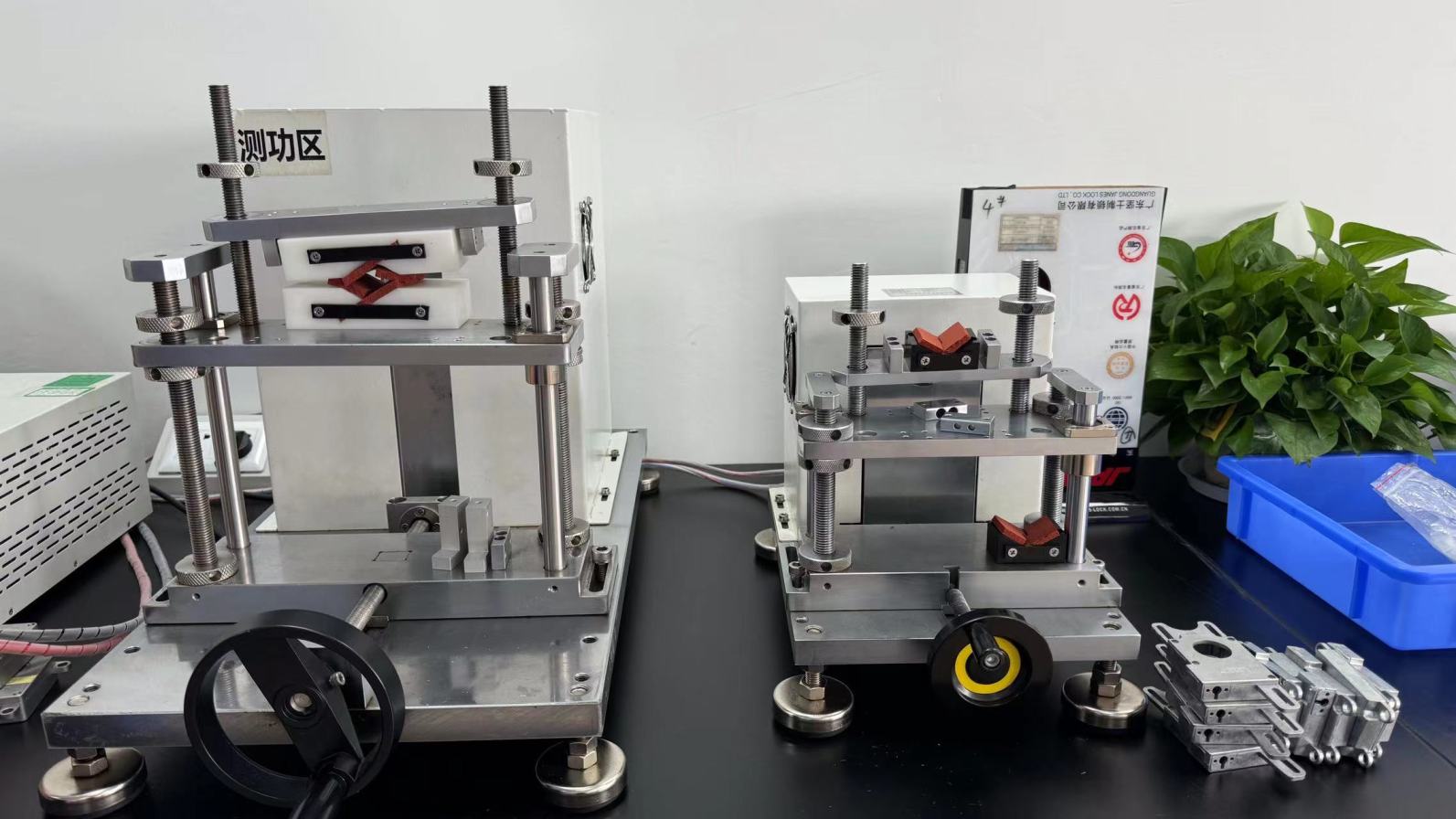
Dual output shafts introduce additional vibration risks at high speeds. Our facility uses advanced dynamometer systems to balance rotor assemblies, minimizing noise, reducing heat, and extending bearing life to up to 25,000 hours.
Smart Manufacturing for a Sustainable Future
Integrating Industry 4.0 automation with reliable product quality control systems.
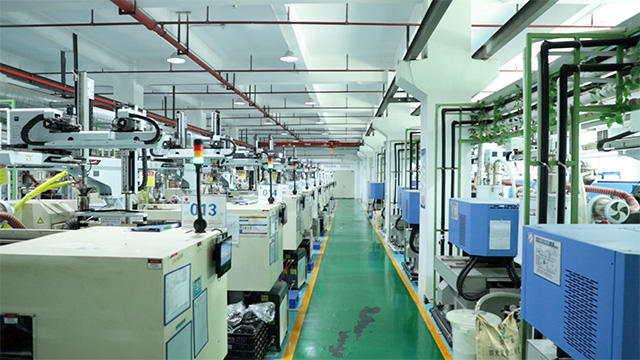
Welcome to the future of micro-drive manufacturing. Micprec Motor operates a state-of-the-art facility designed for efficiency, precision, and sustainability. As a leading China exporter of micro DC and brushless motors, we combine twenty years of industrial heritage with a forward-thinking approach to lean automated manufacturing.
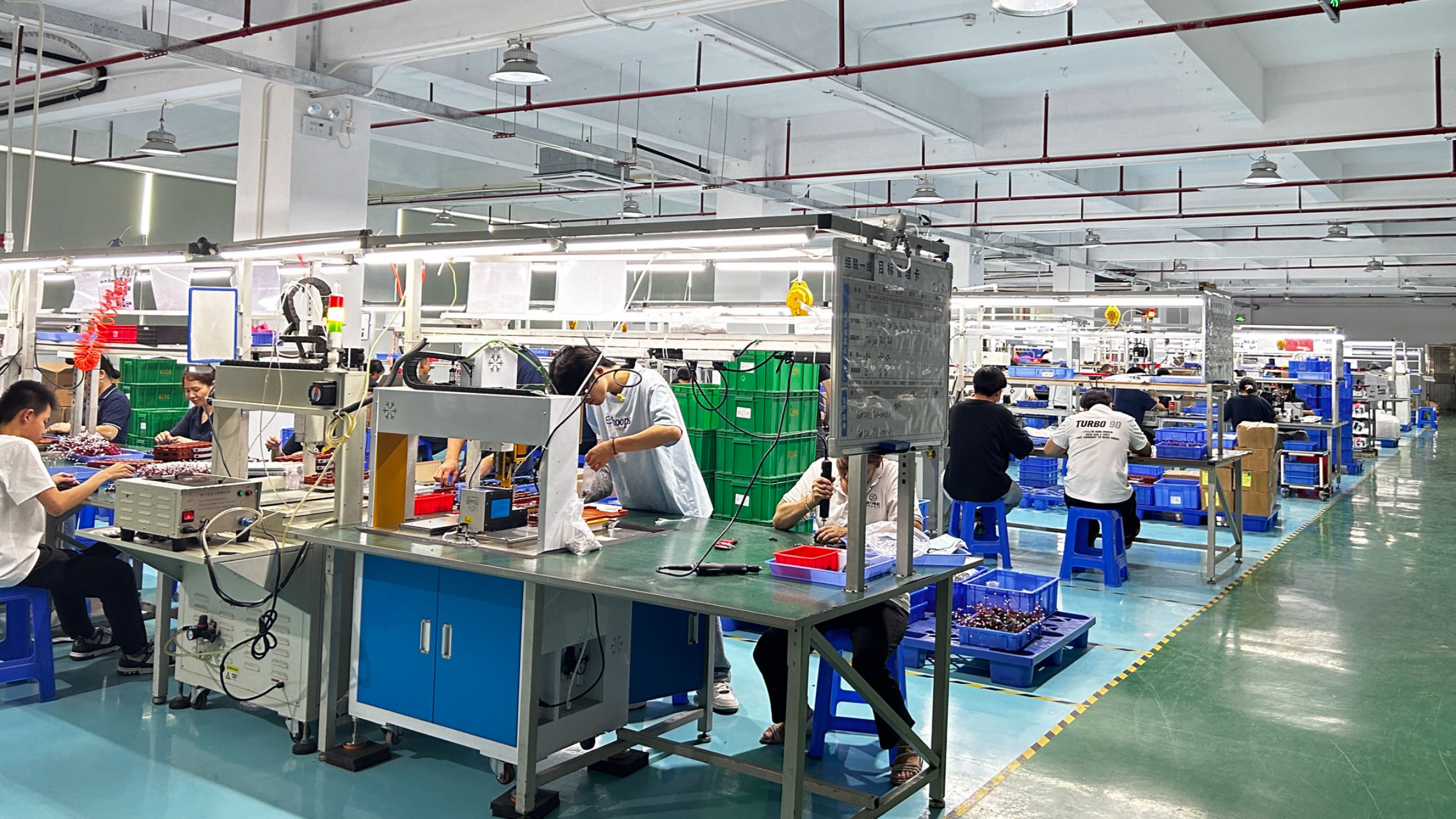
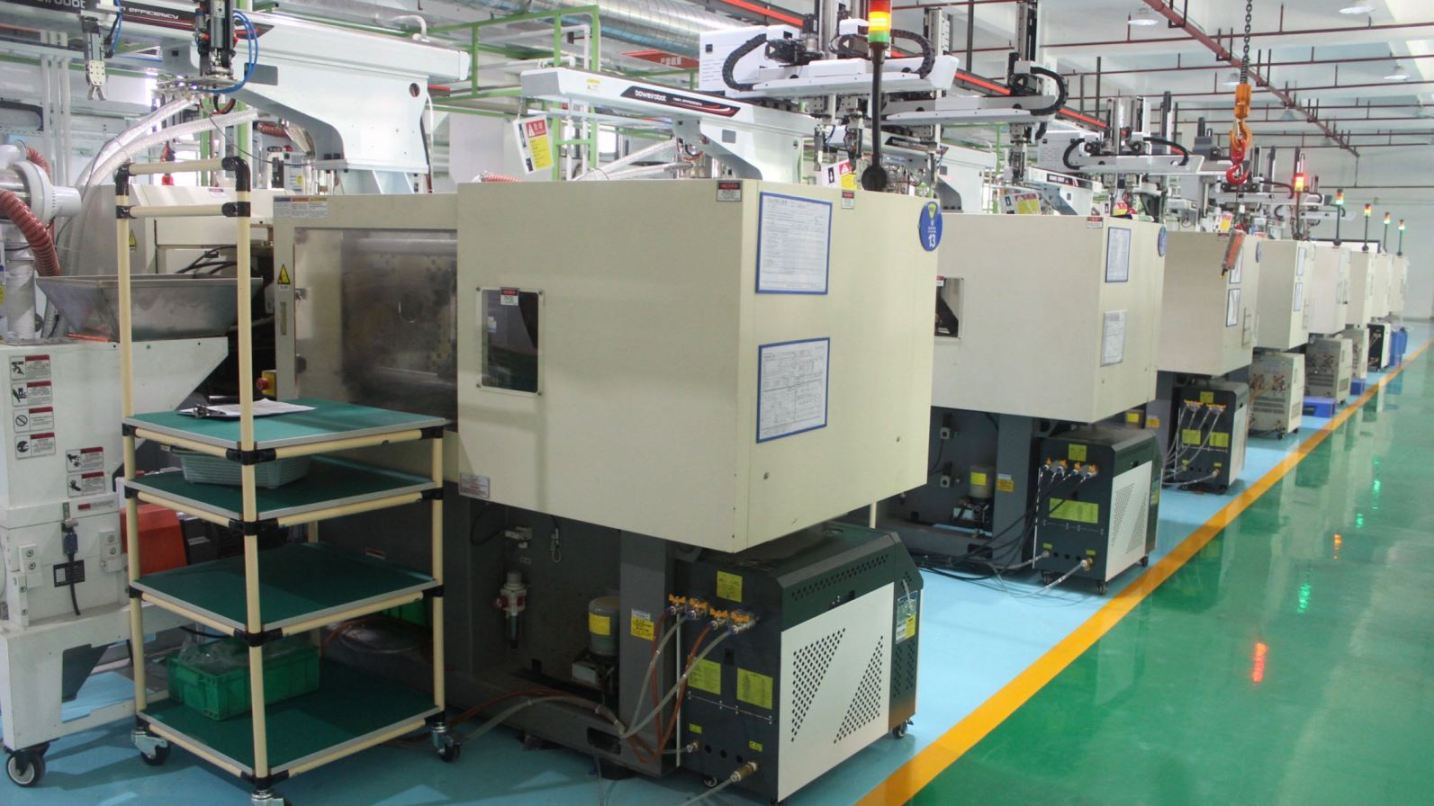
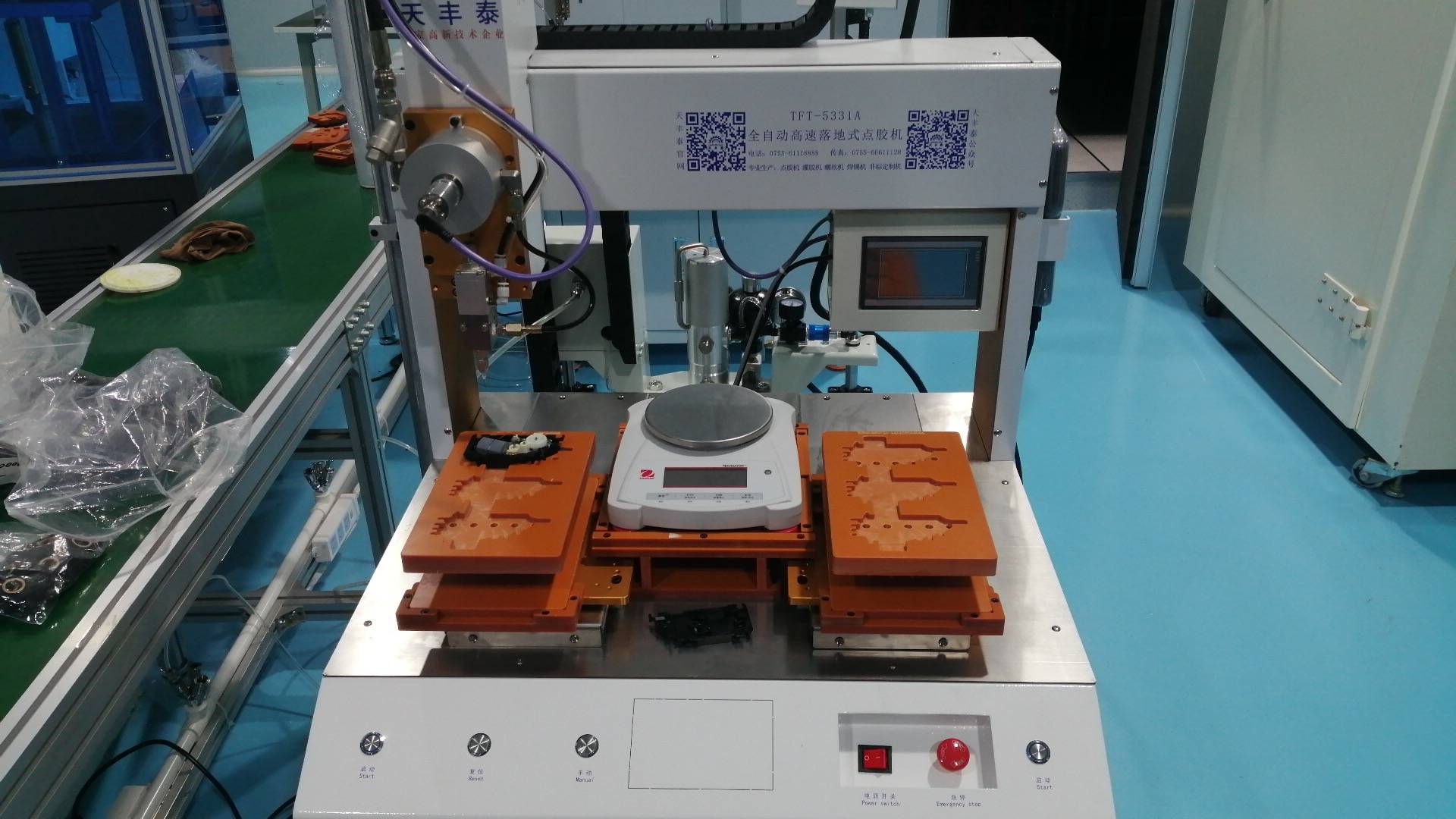
Quality and compliance are embedded in our DNA. Our entire production ecology conforms to rigorous international standards, including ISO9001, CE, RoHS, and REACH. By investing heavily in automated assembly lines and eco-friendly manufacturing processes, we ensure absolute consistency across high-volume production runs while minimizing our carbon footprint.
When you choose Micprec Motor, you are not just choosing a supplier; you are choosing a responsible, transparent global supply chain partner committed to powering your products with high-efficiency, energy-saving motion control solutions.

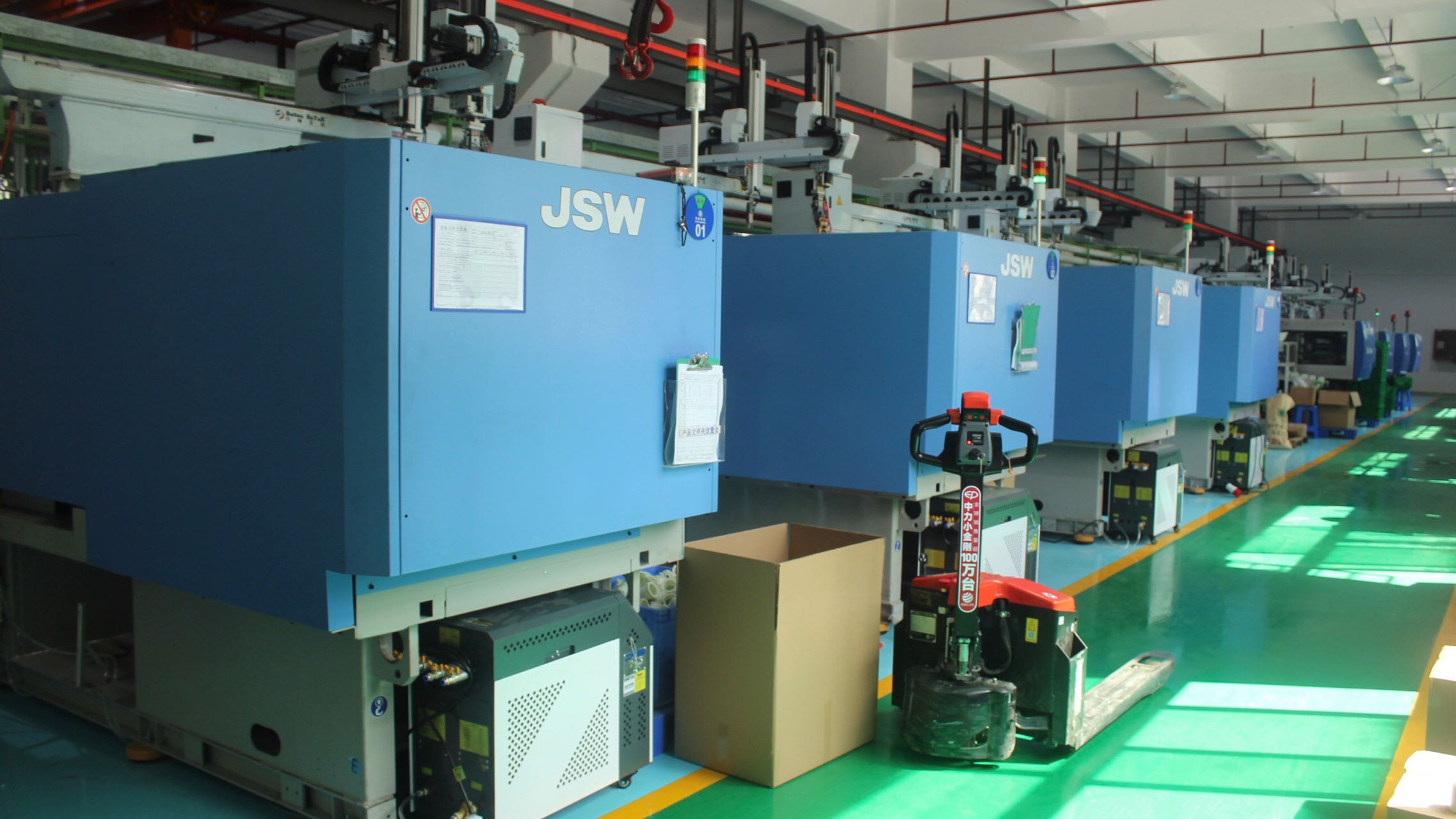
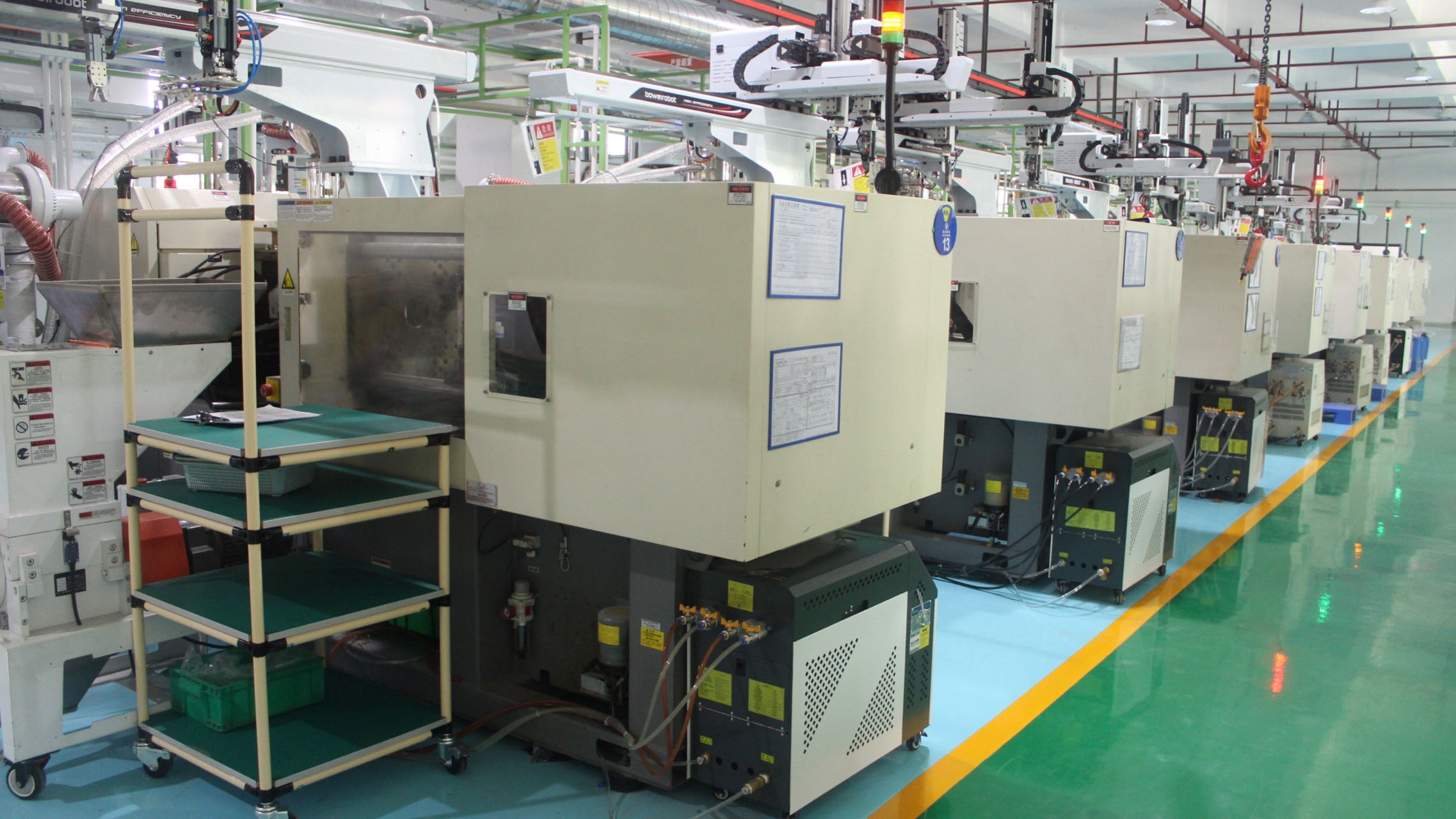
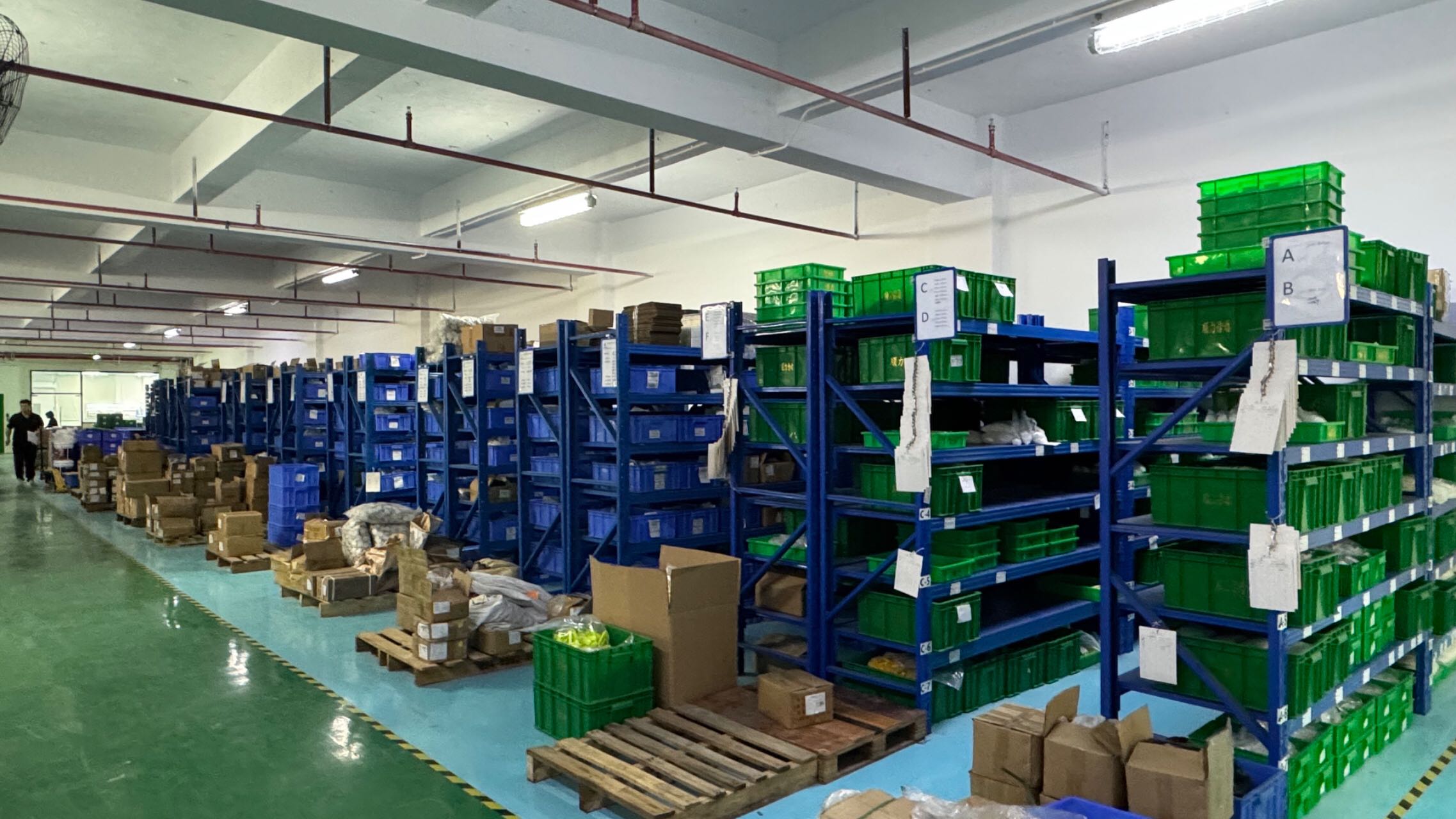
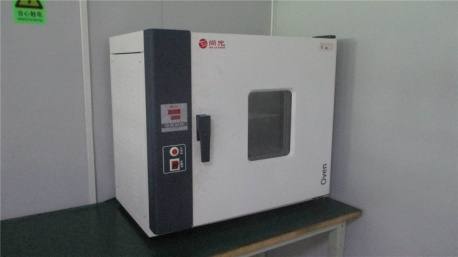
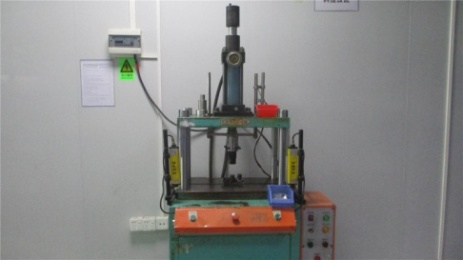
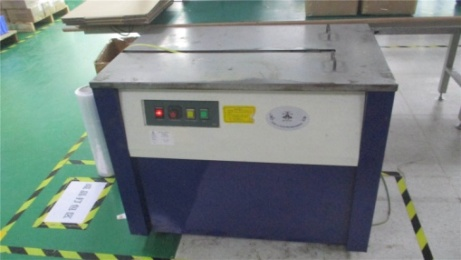
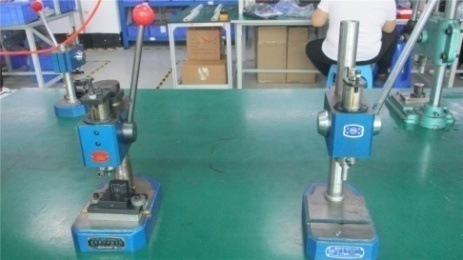
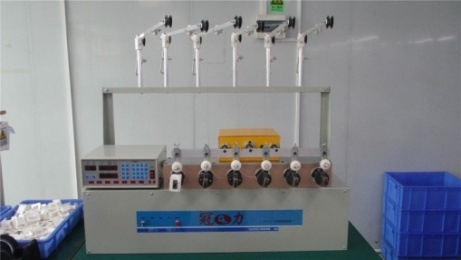
Step-by-Step Production Process & Machinery
From raw material sourcing to precise machining and rigorous quality testing, here is how our motors are constructed.
Manufacturing Workflow

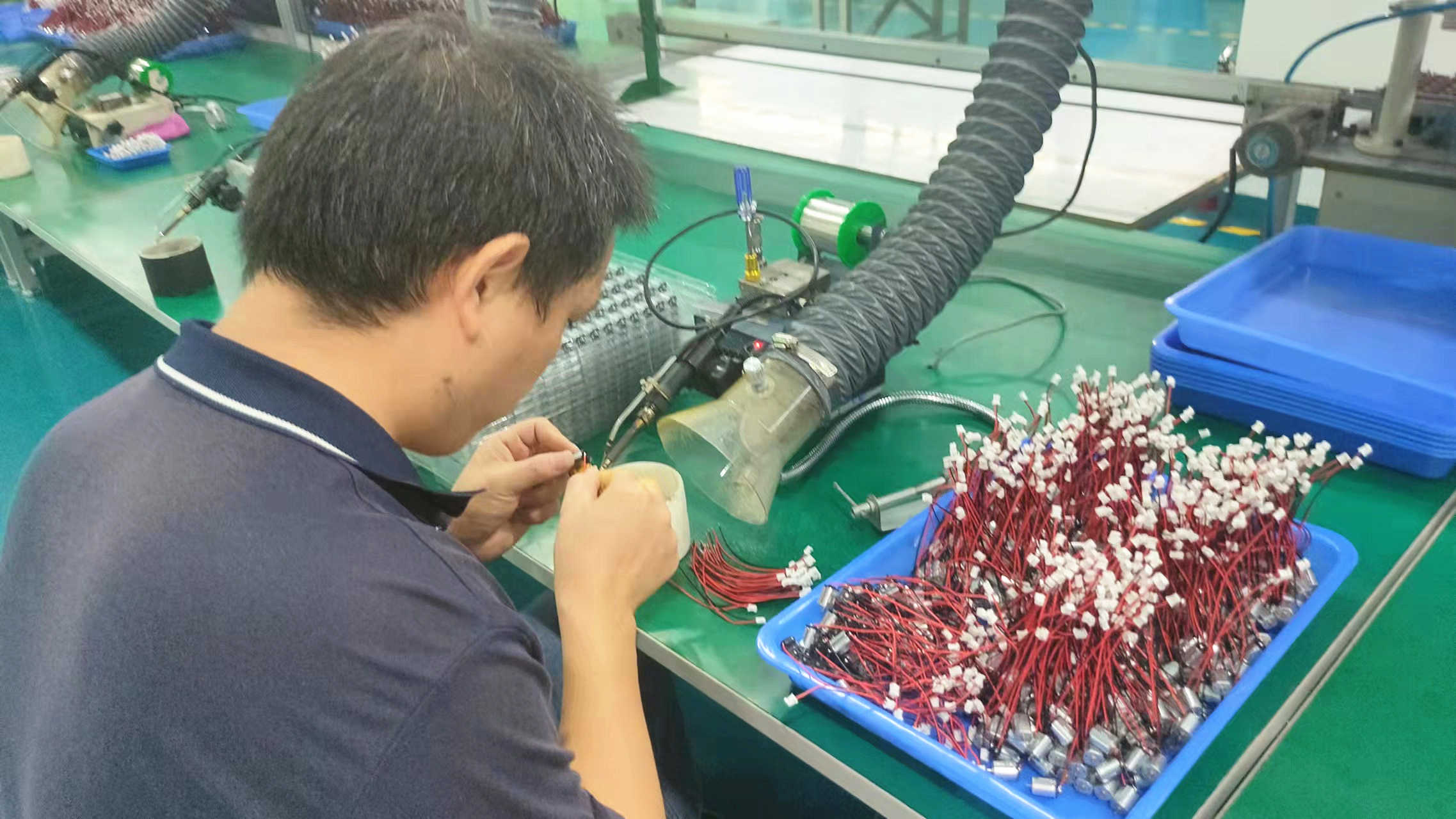
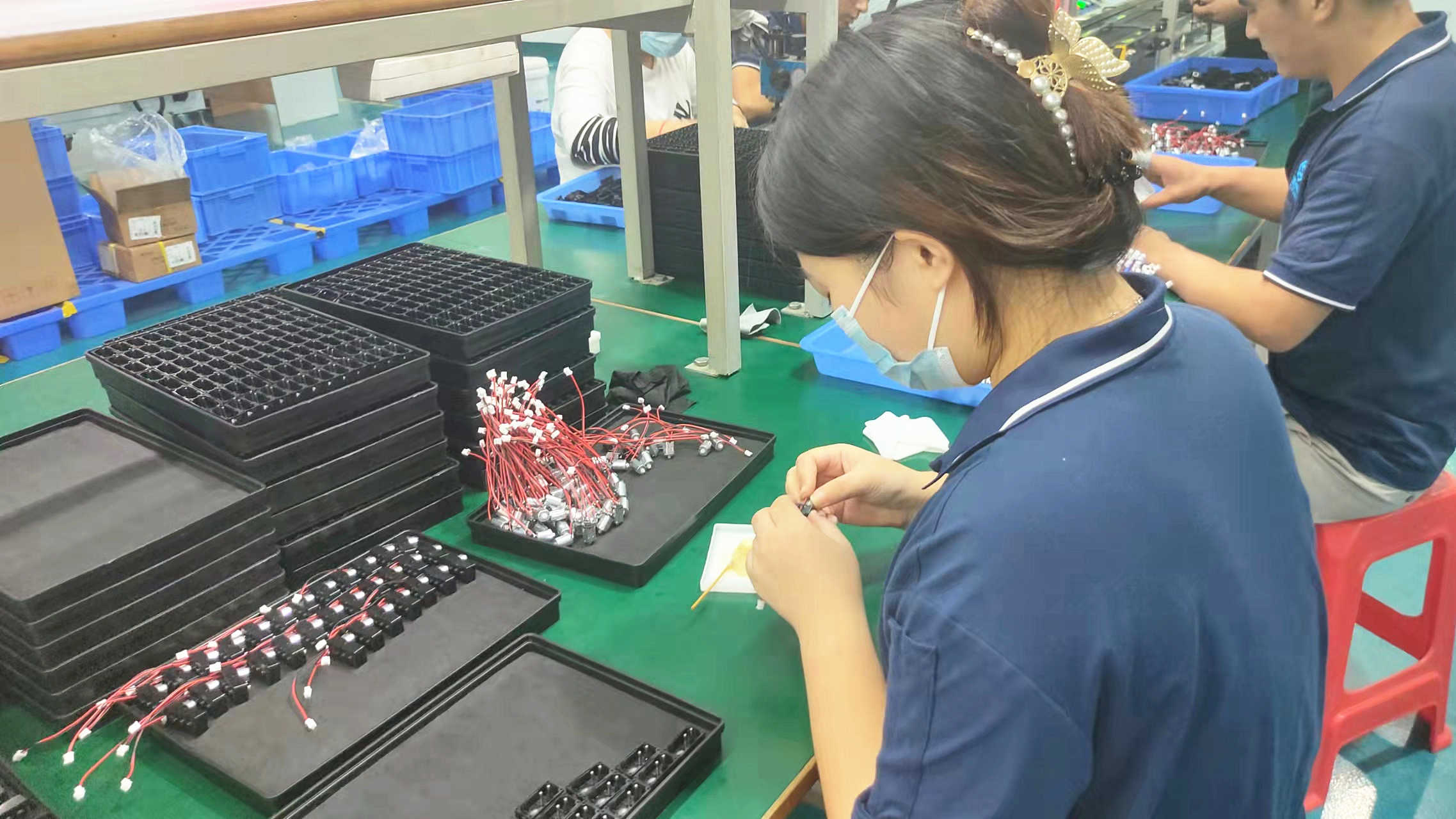
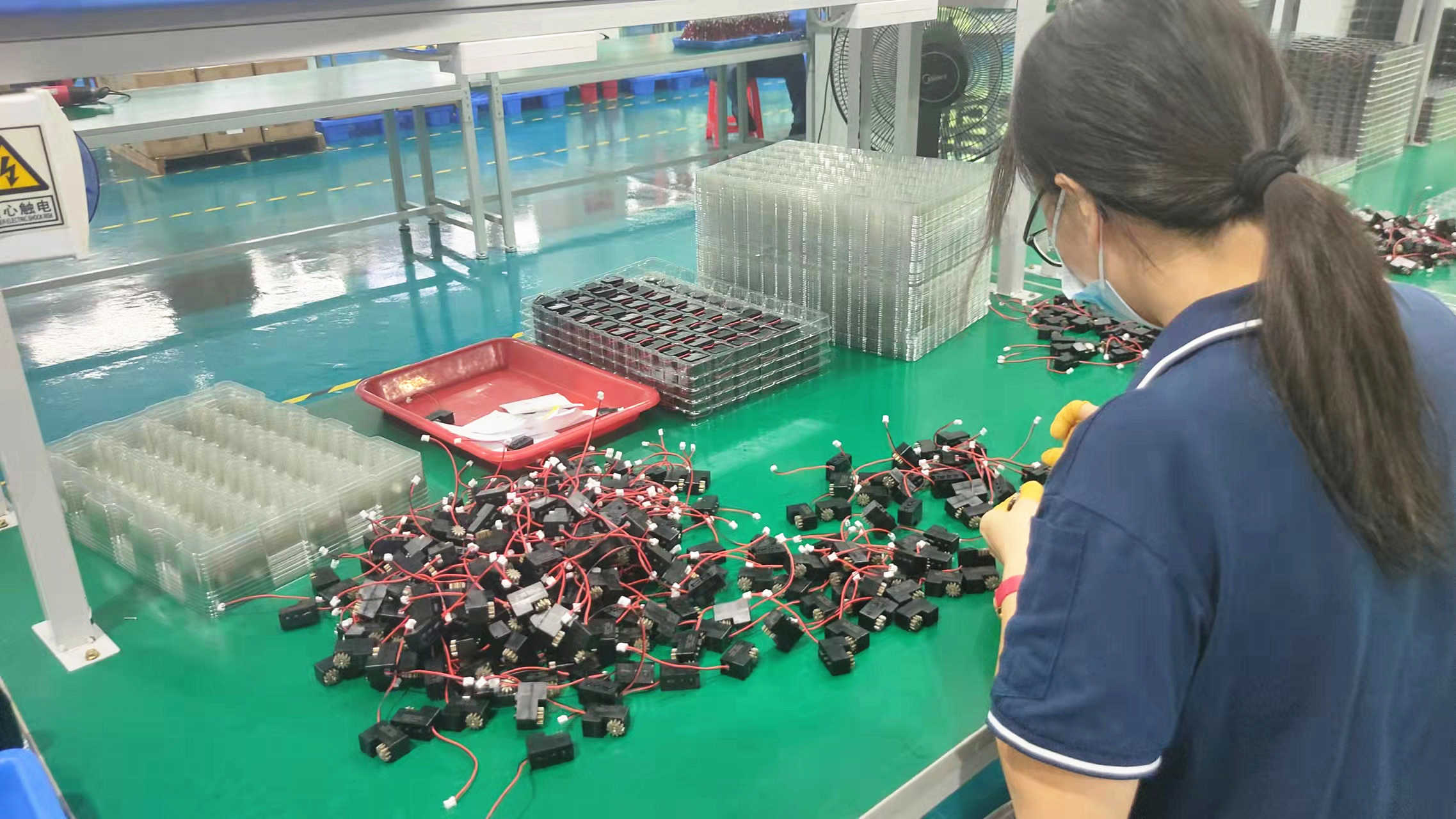
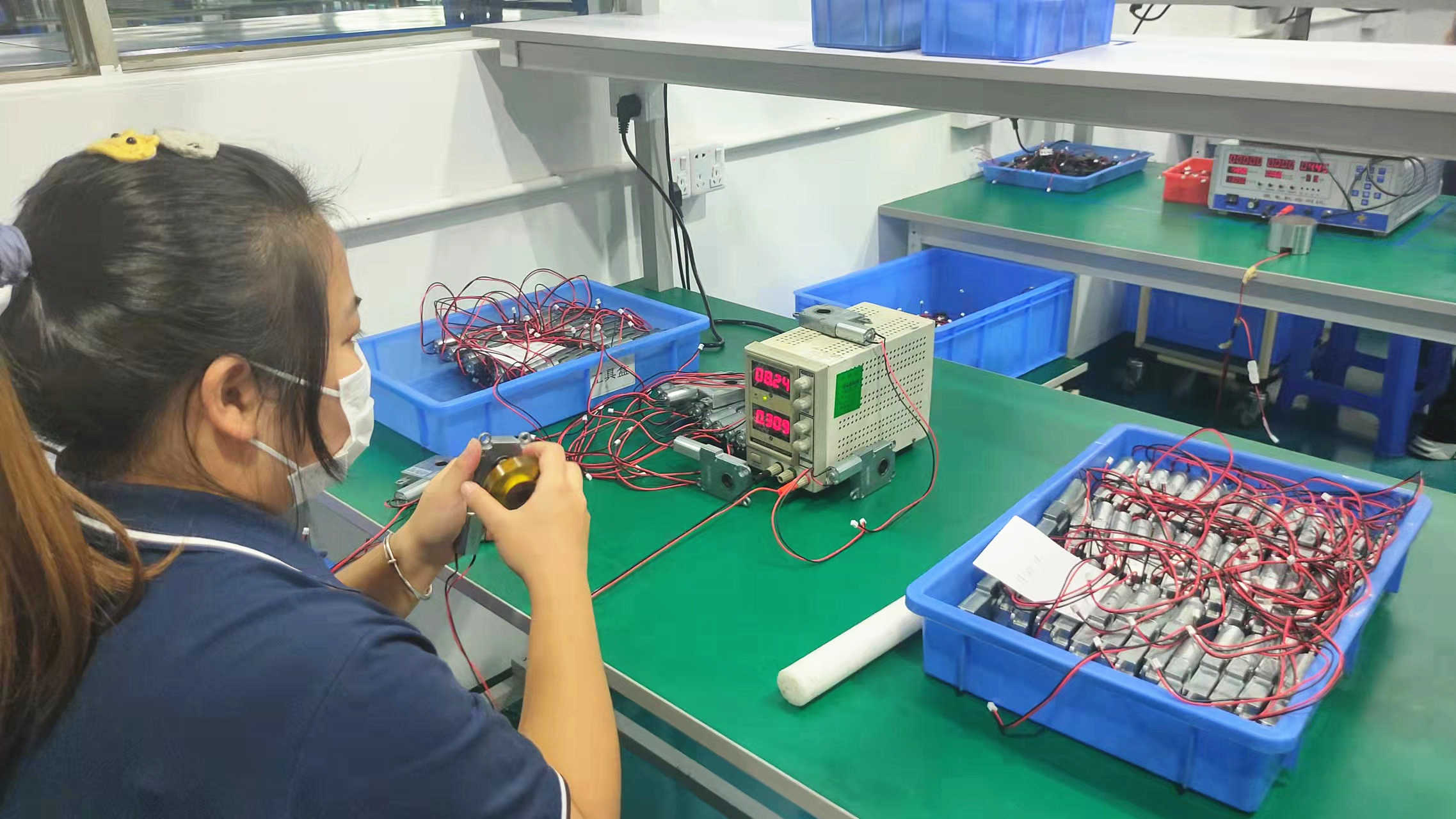
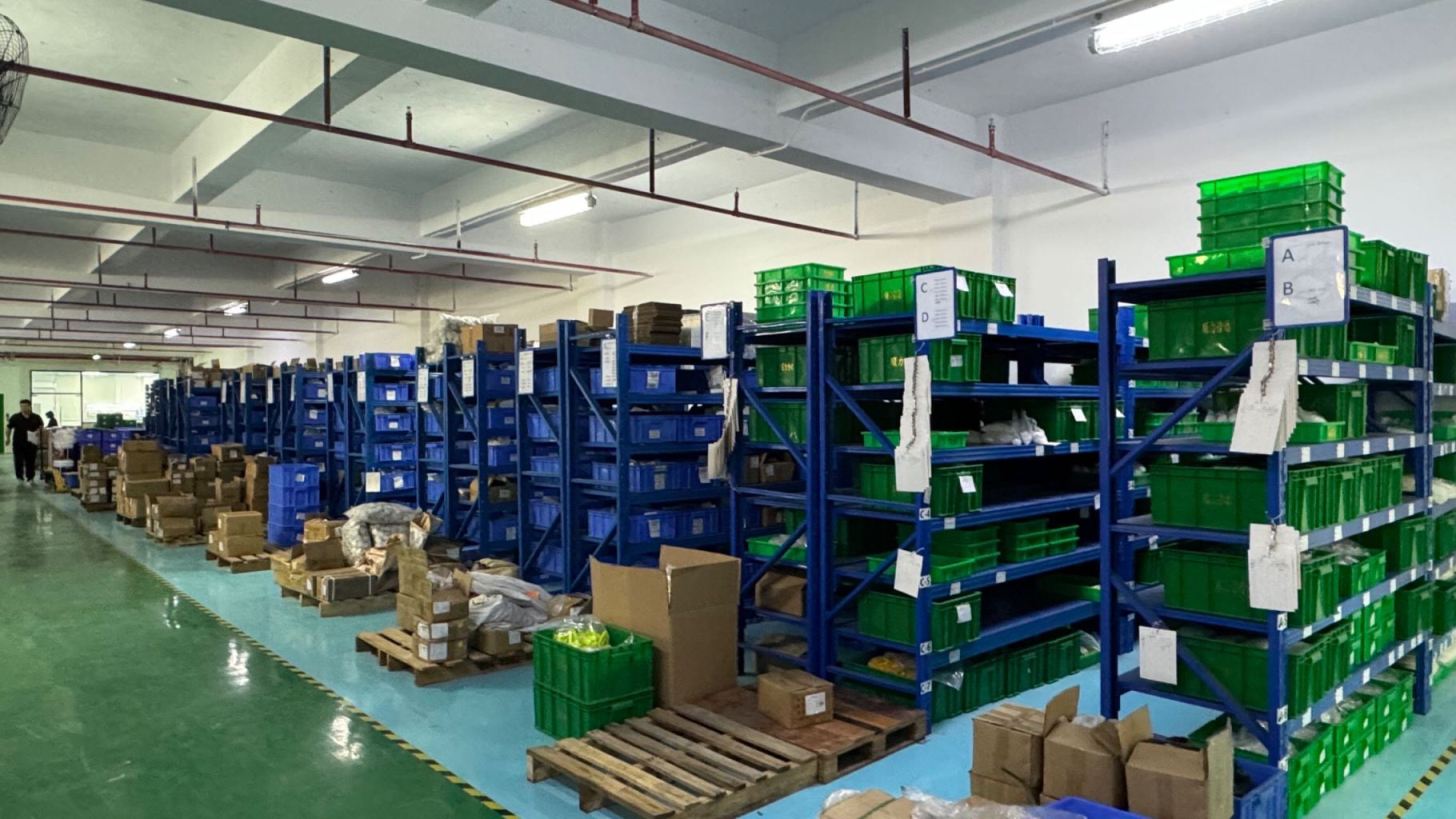
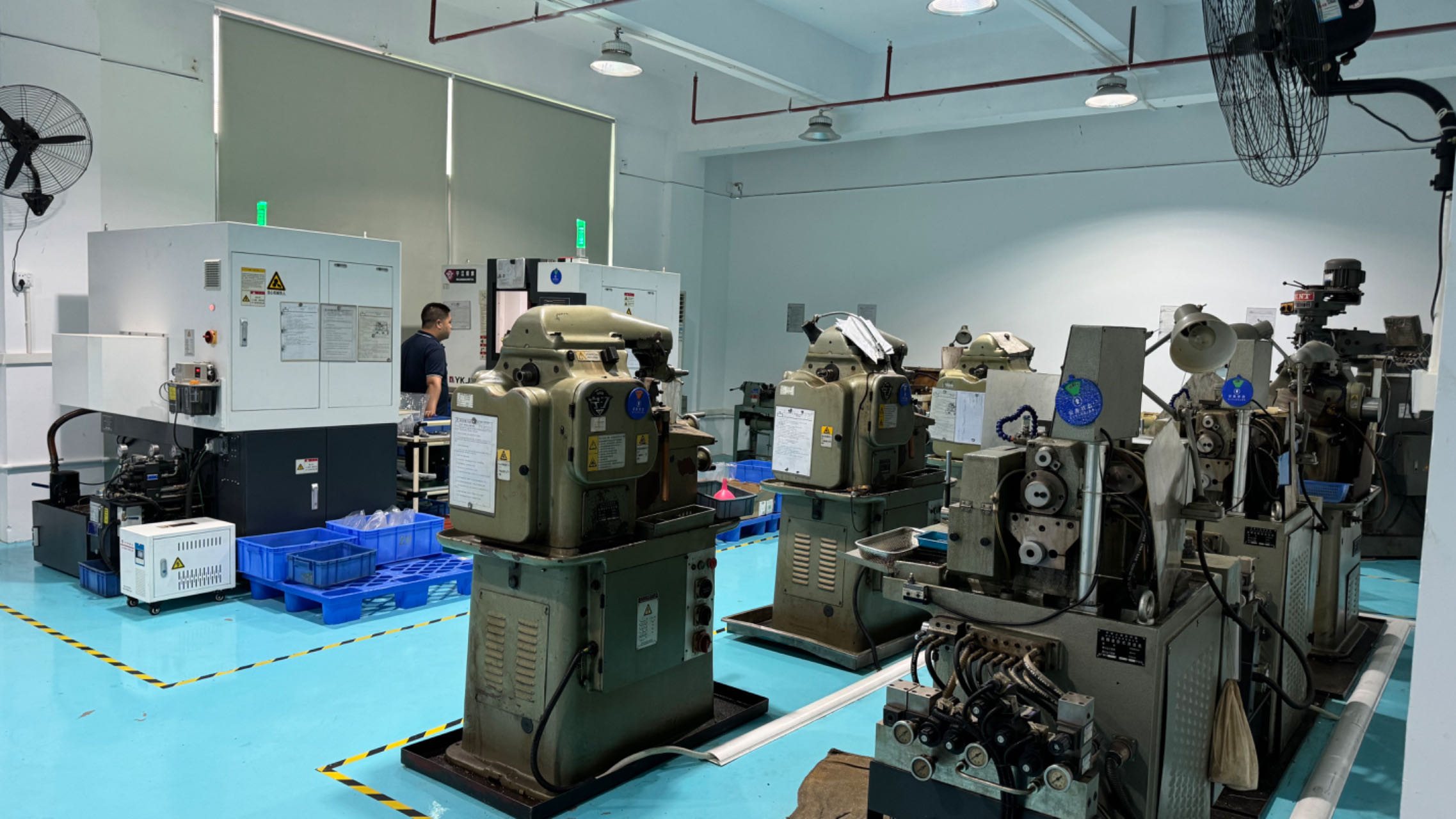
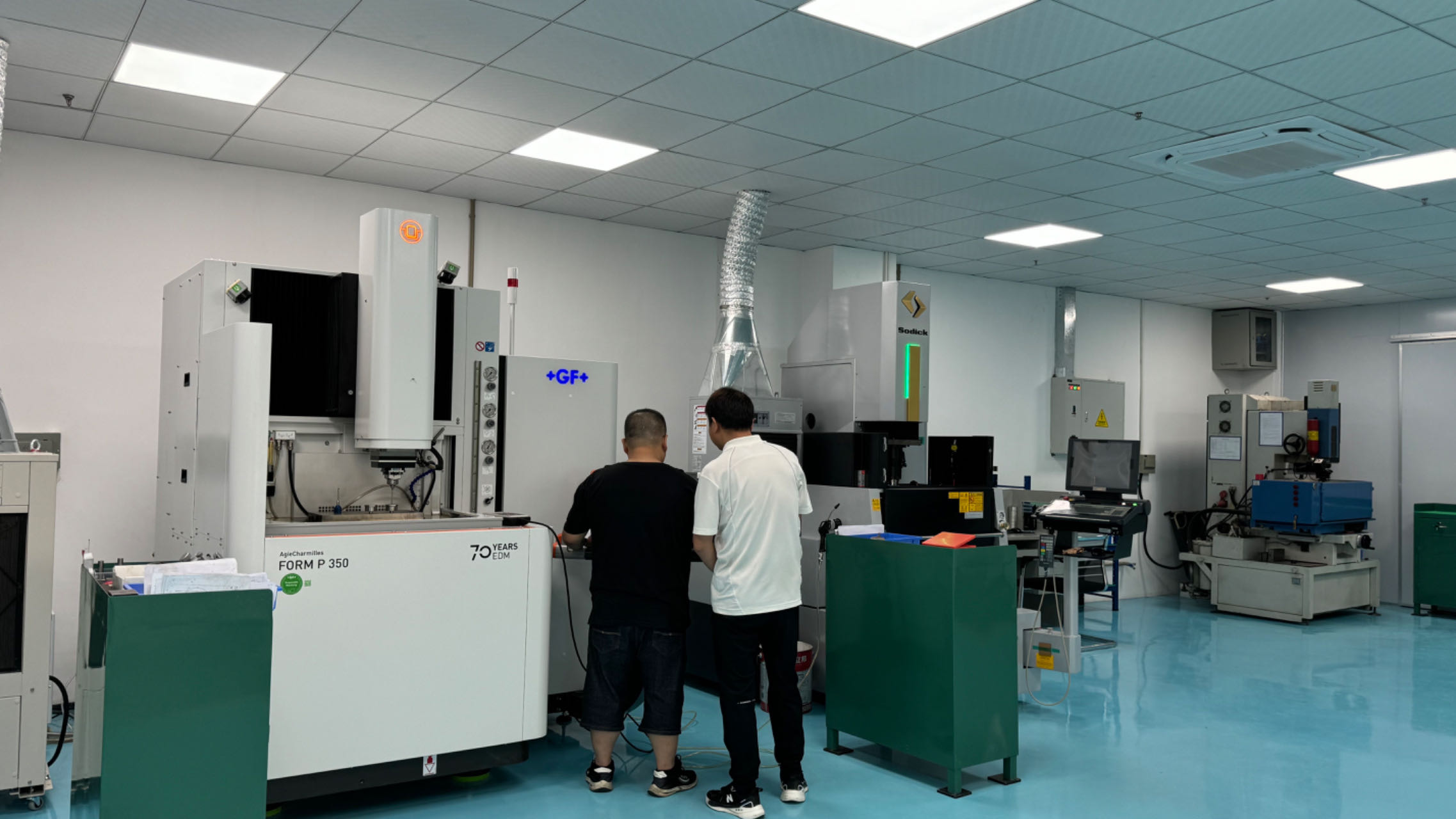
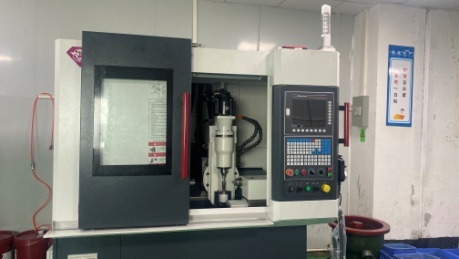
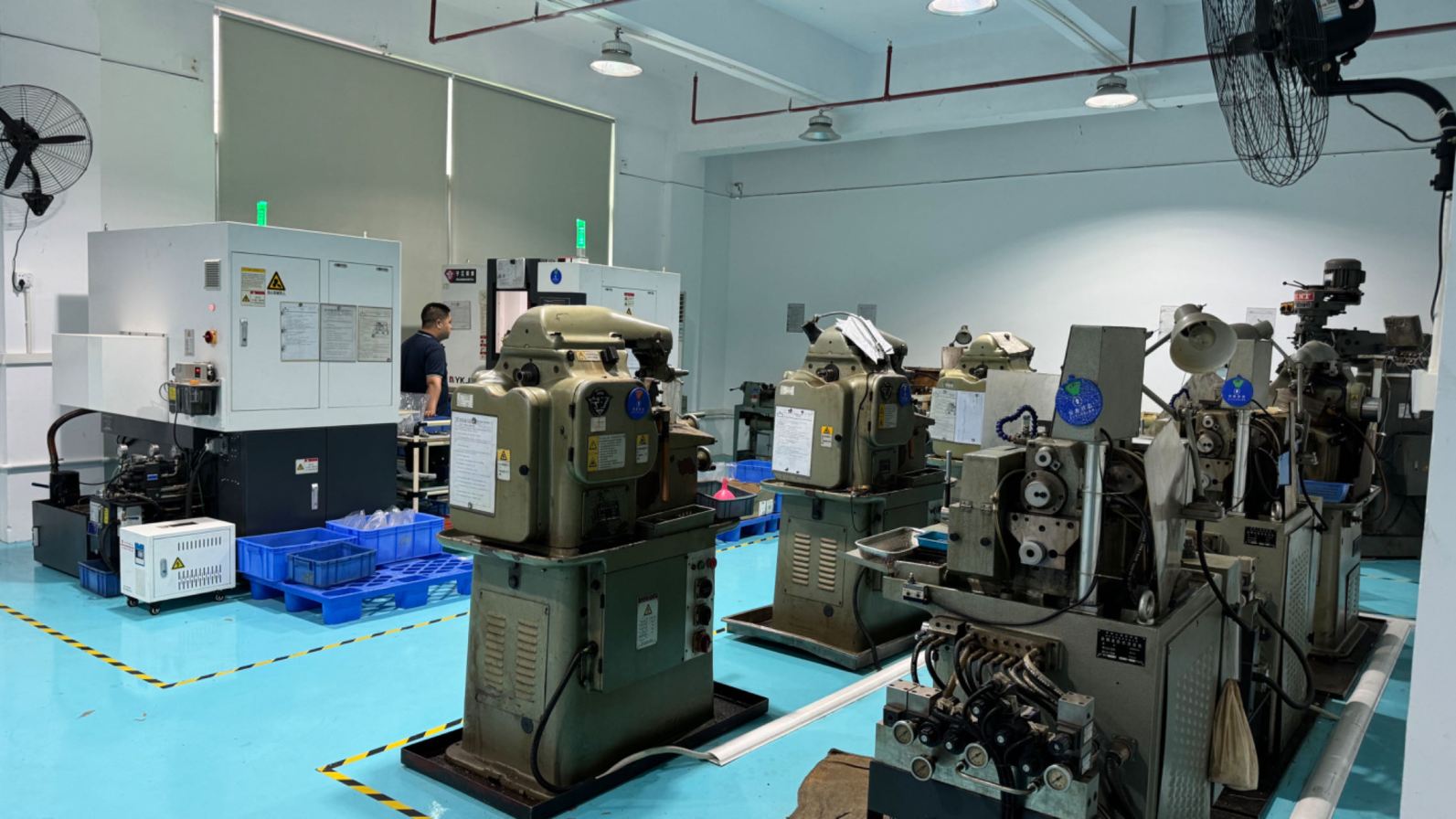
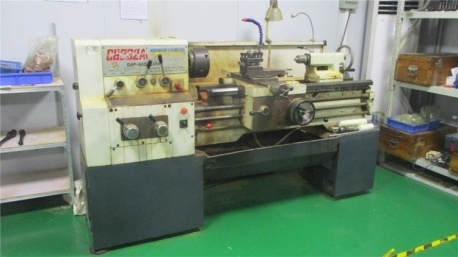
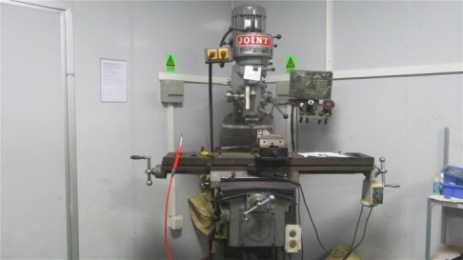
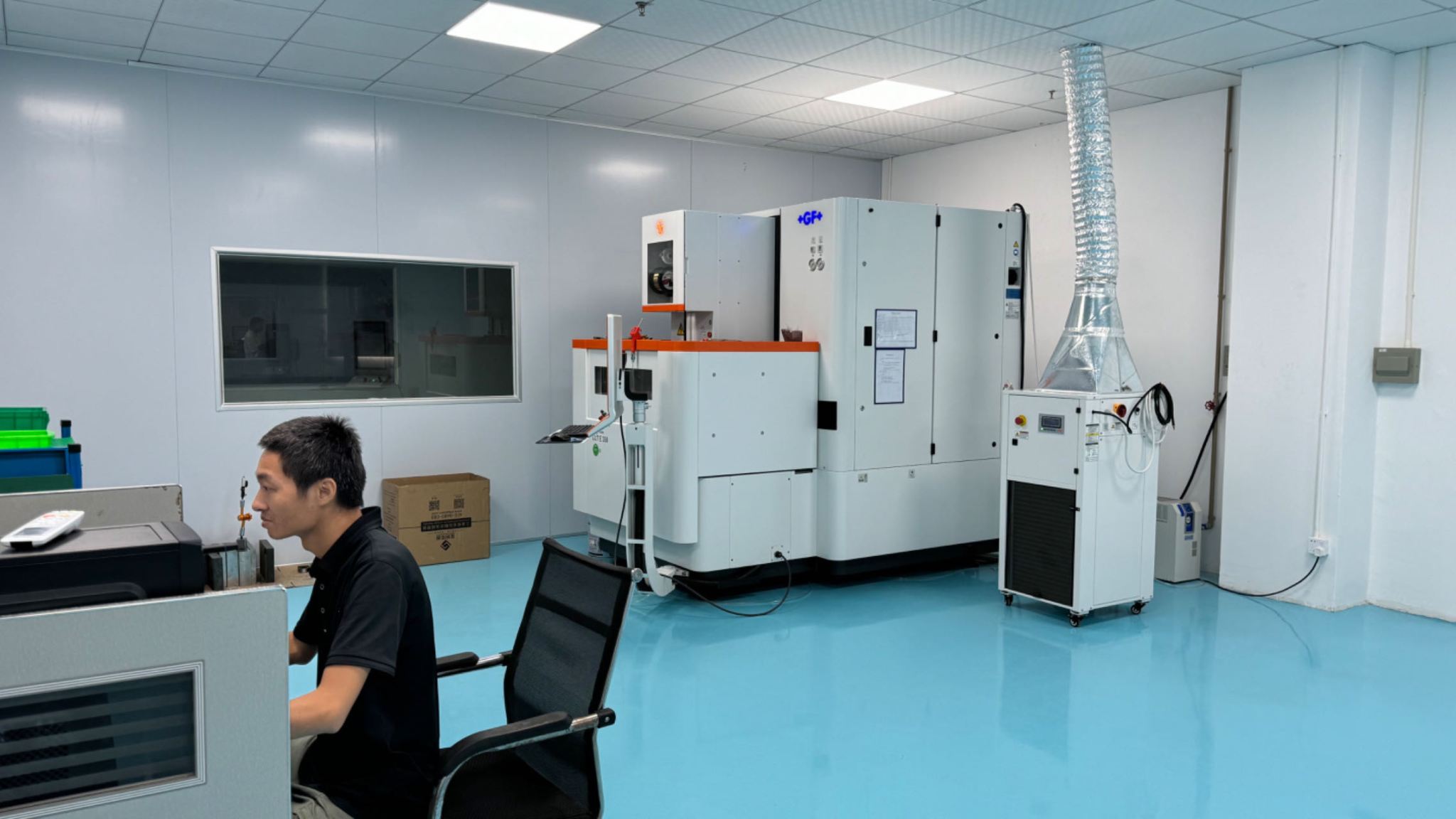
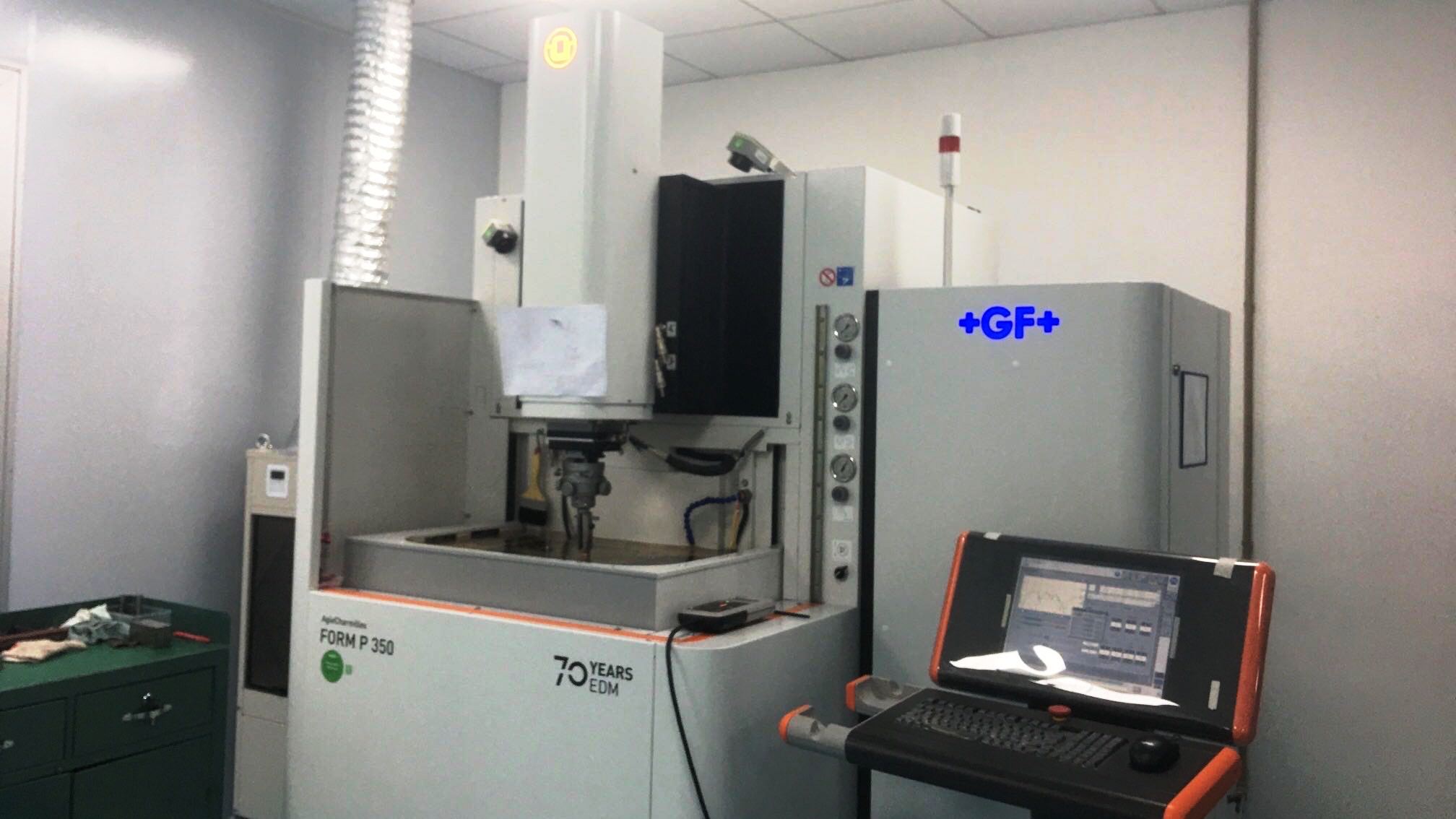
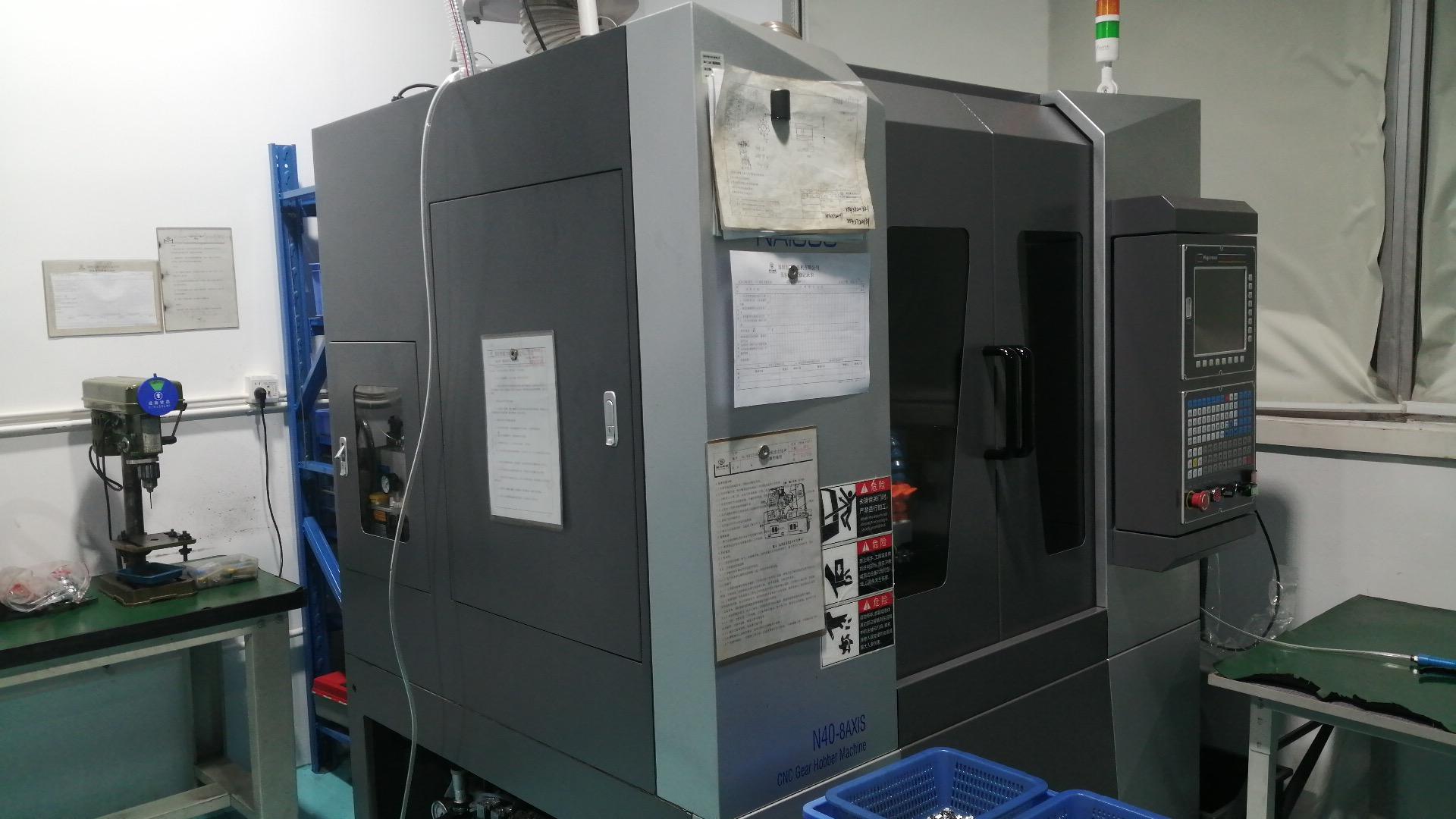
Precision Machining Equipment
Advantages of China OEM Factories & Market Trends
Sourcing motor systems from China offers supply chain integration, technical adaptability, and cost efficiency.
Strategic Supply Chain & Automation Integration
Modern manufacturing in China has transitioned from simple assembly to high-precision engineering. By locating our operations in key industrial zones like Shenzhen, we benefit from immediate access to raw steel, precision gears, specialized lubricants, and advanced sub-assembly components. This proximity reduces development cycles and allows us to offer scalable customization.
Leveraging automated assembly lines alongside slow-feeding NC wire-cut processes and high-precision EDMs, we secure high positional consistency across high-volume production. This enables us to maintain tight shaft tolerances and minimize motor-to-motor variations.
Emerging Global Motion Control Trends
The global drive industry is moving toward high power density, miniaturization, and intelligent feedback integration. The demand for dual shaft motors is growing as developers prioritize closed-loop feedback systems in compact devices.
Key technological trends include:
- BLDC Transition: Shift from brushed motors to brushless dual-shaft topologies for longer lifespans.
- High-Resolution Encoders: Installing magnetic or optical encoders directly onto the rear shaft for high-resolution positioning.
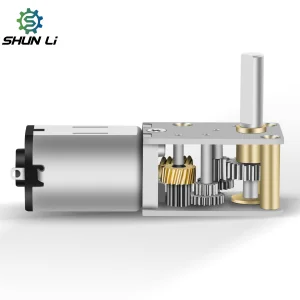
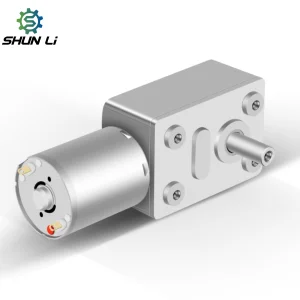
- Optimized Reductions: Combining dual-shaft configurations with space-saving worm or planetary gearboxes to maximize torque output.
Industrial Solutions & Application Scenarios
Our custom dual shaft designs support motion control requirements across several key sectors.
Automotive & Smart Security
Dual shaft micro DC motors power motorized door latches, active safety retractors, and security locking systems. The secondary shaft offers space for manual mechanical release overrides, ensuring operation during power loss.
Smart Household Appliances
From robotic vacuum drive units to fireplace systems, ice makers, and smart blinds, double shaft configurations provide synchronized drive linkages, allowing a single motor to power multiple moving parts efficiently.
Clinical & Diagnostic Tech
In medical blood pressure monitors and laboratory pumps, dual shafts facilitate synchronous fluid dosing or air compression while supporting encoders that monitor cycle counts and output velocity.
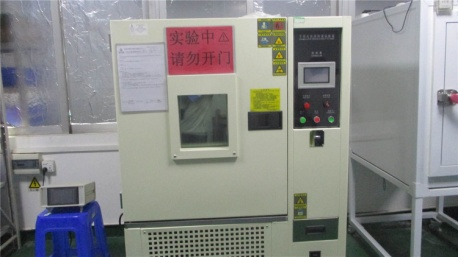
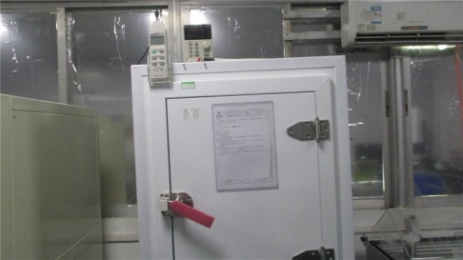
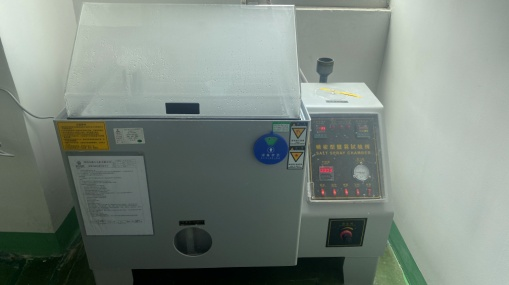
Quality Control & Testing Facility
Every product undergoes comprehensive verification to maintain reliable operational standards.
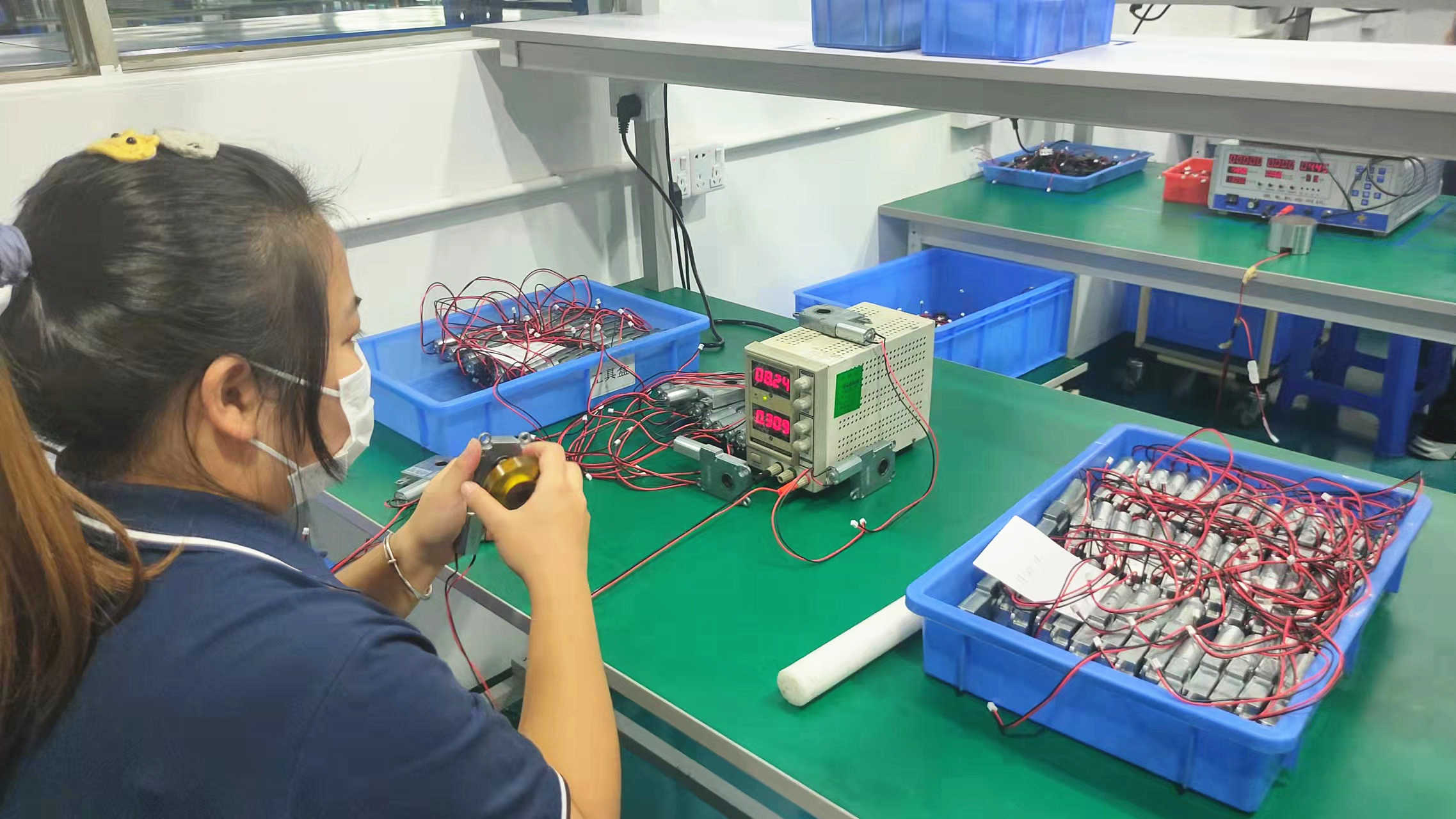
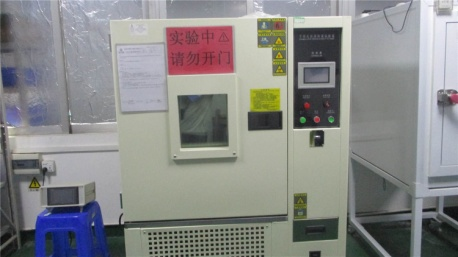
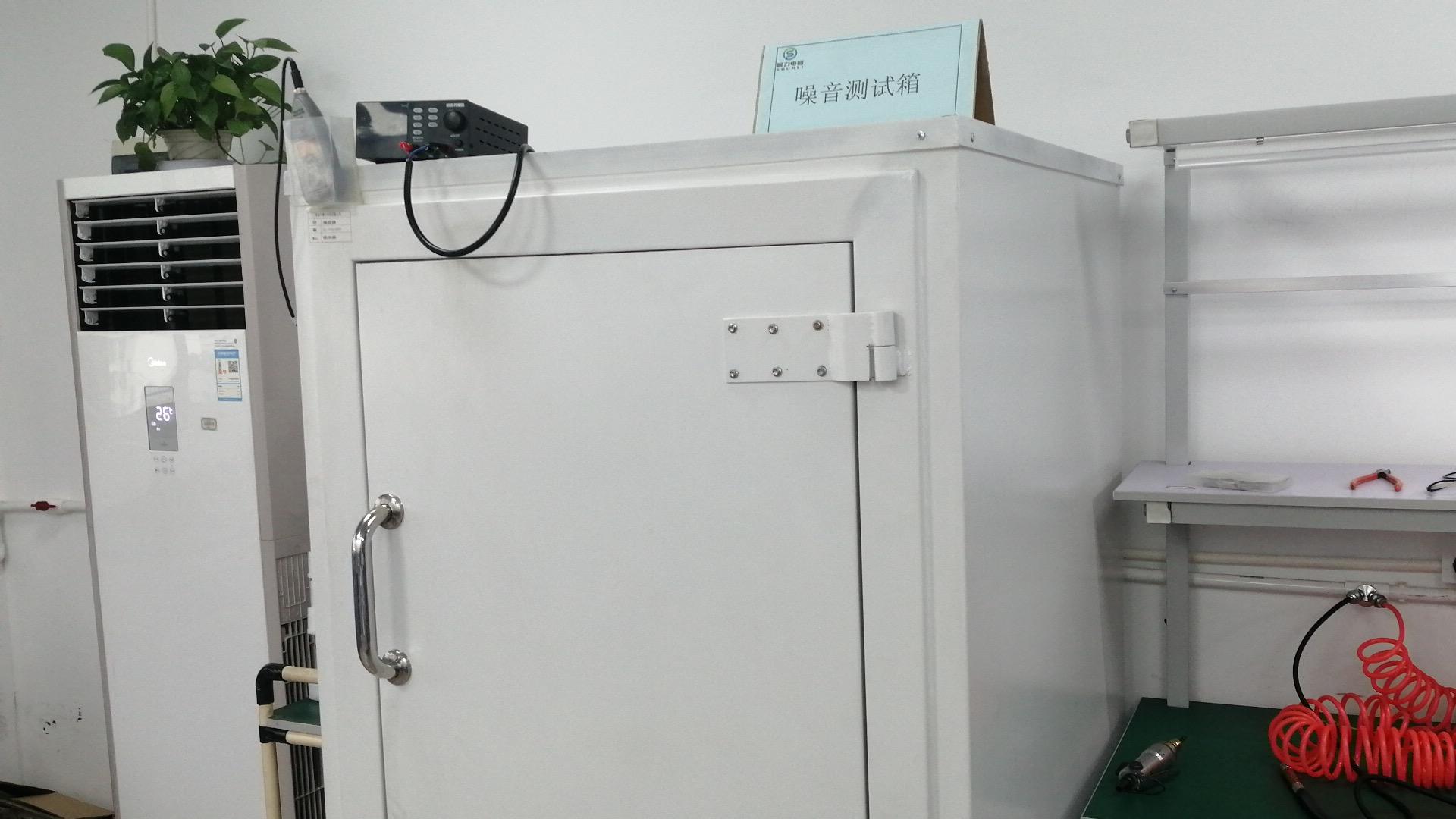
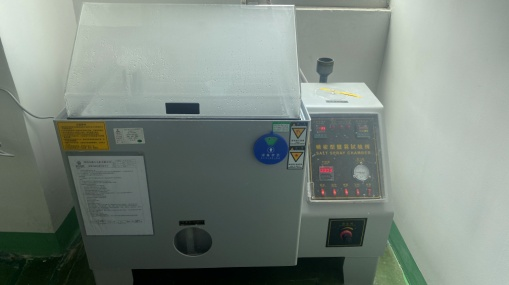
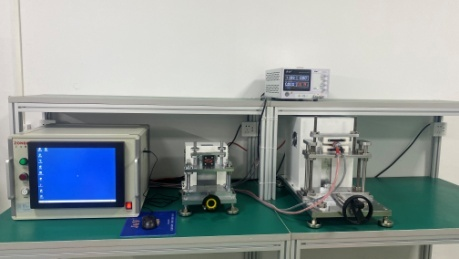
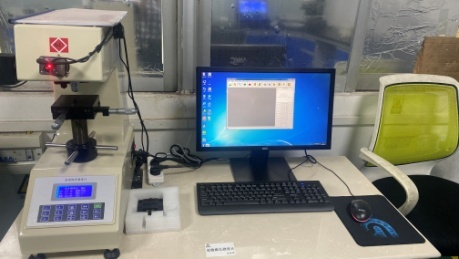
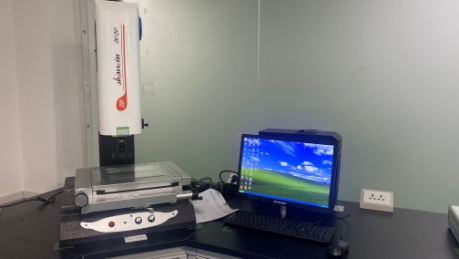
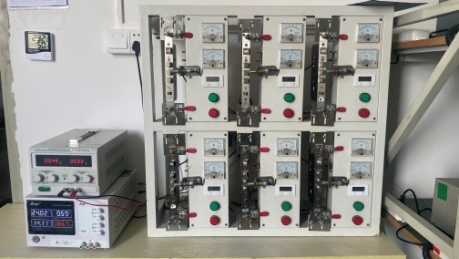
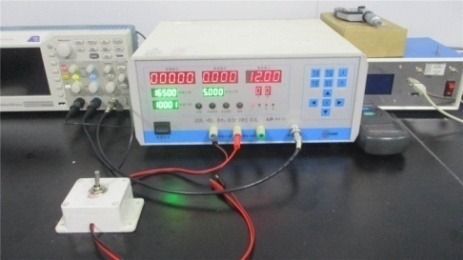
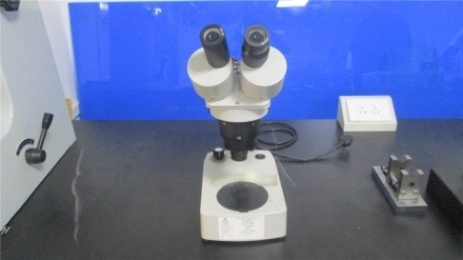
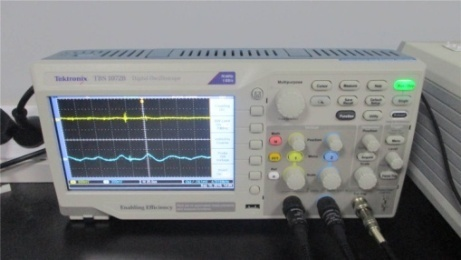
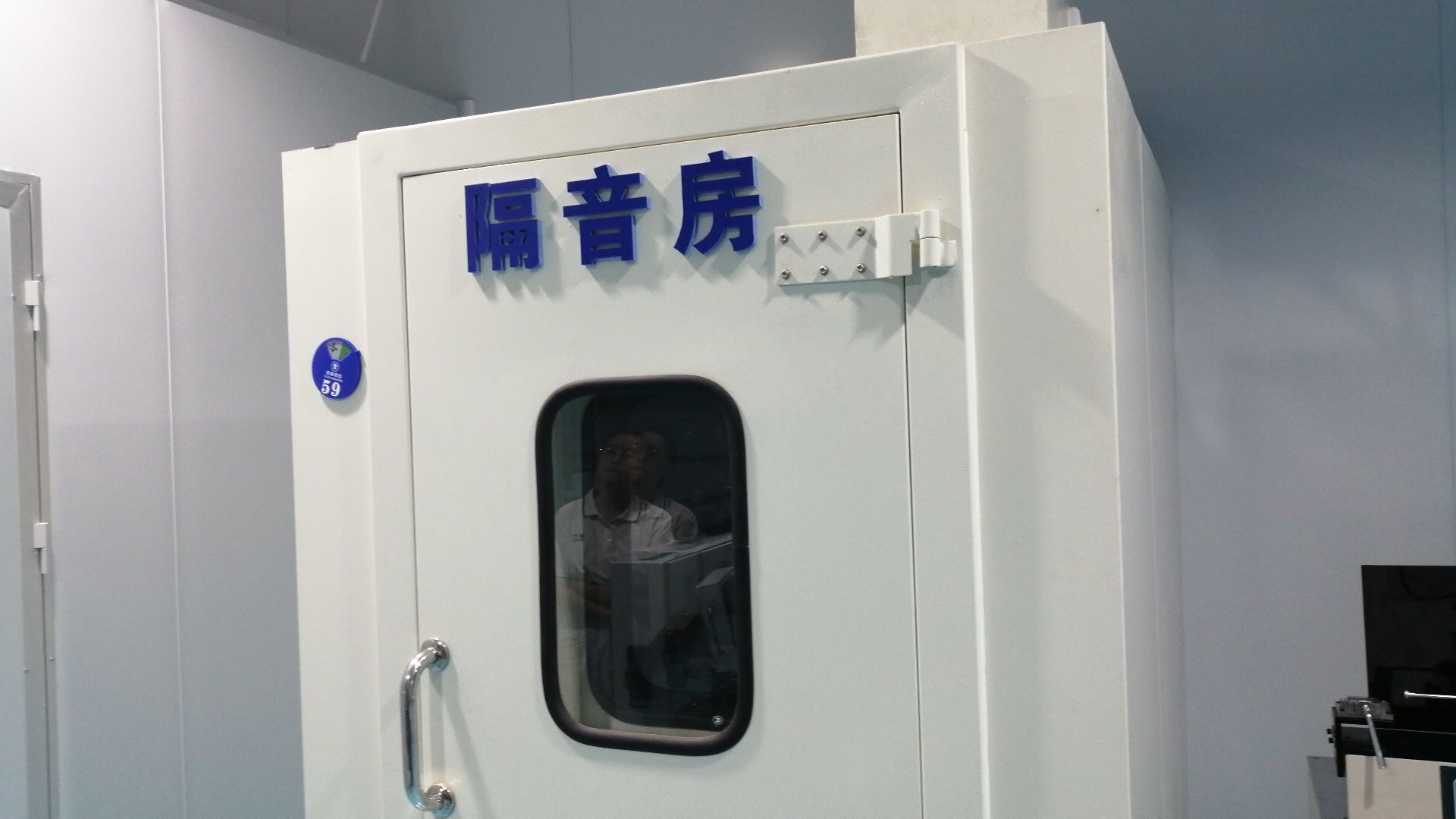
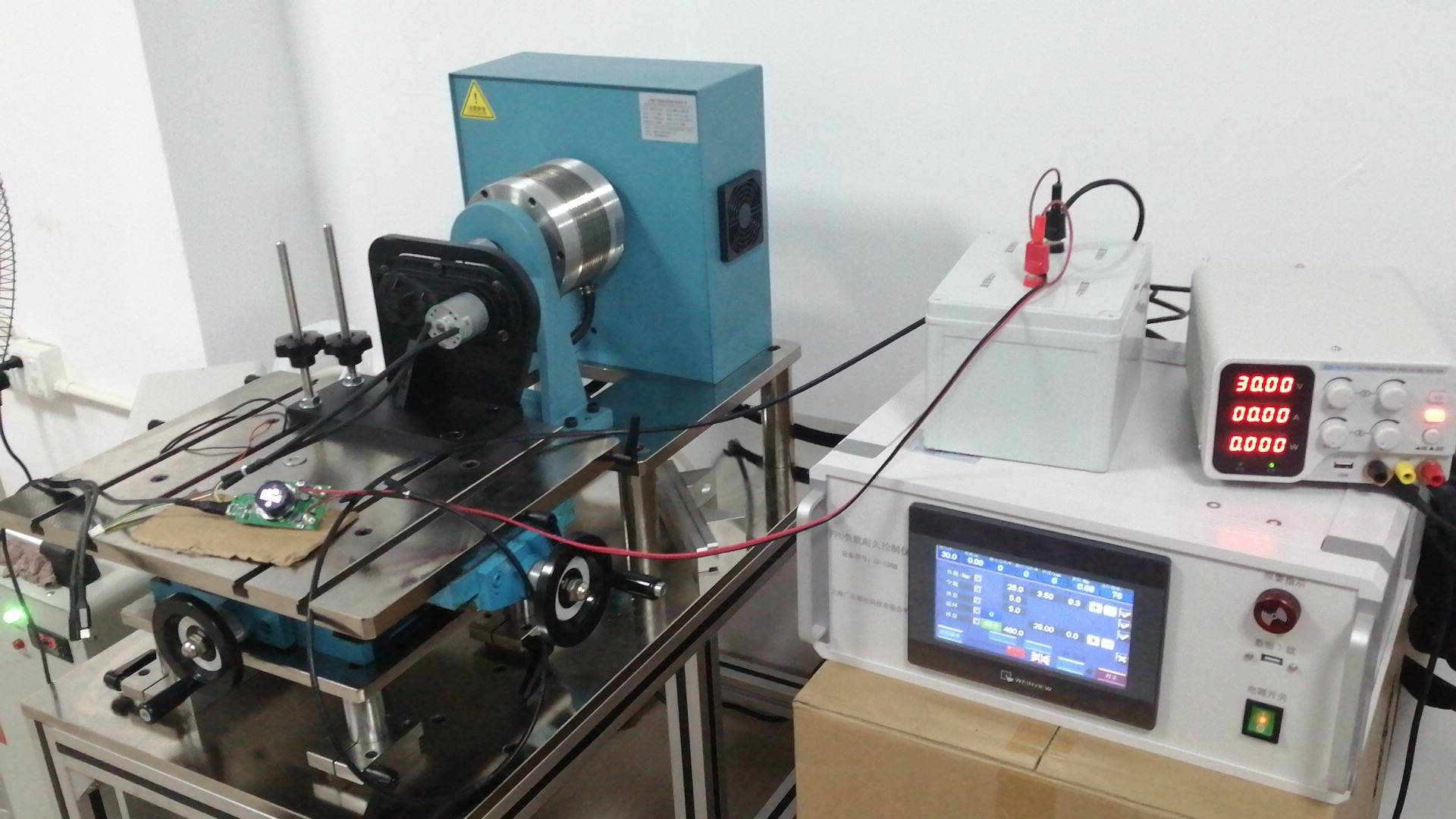
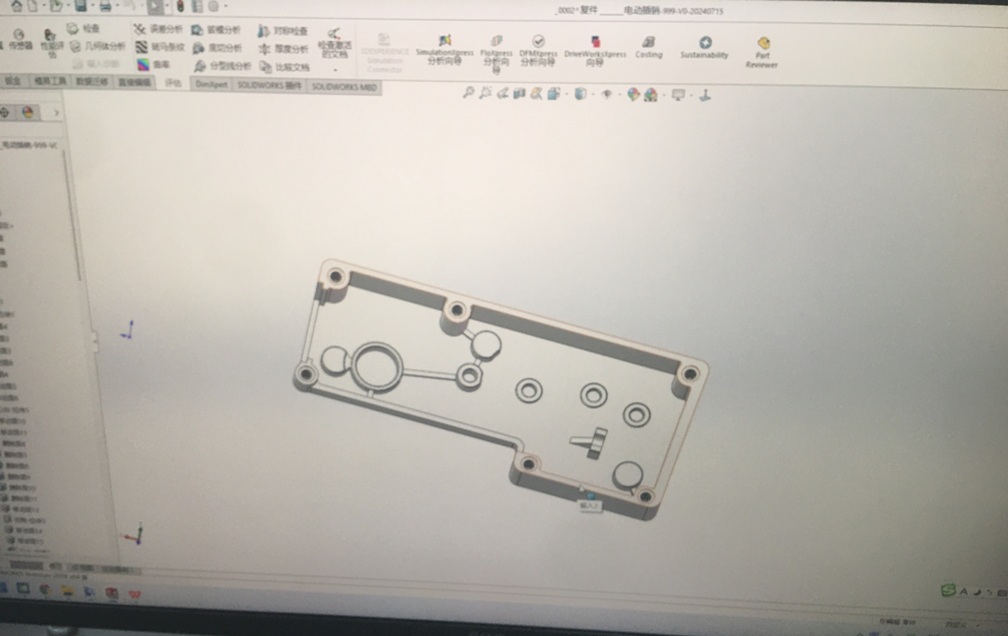
Design & Prototyping Phase Testing
Global Sourcing: FAQ & Engineering Guide
Common technical questions regarding custom double-ended shaft motors answered by our engineering team.
Additional Motor Configurations
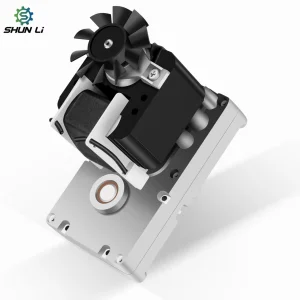
Explore additional gear reducers and shaded-pole motors configured for high-torque industrial and commercial operations.