Micprec Motor
⚙ Featured Micro Motion Control & OEM Motor Catalog
Premium OEM/ODM customized rotary and linear stepping solutions directly integrated with advanced gear assemblies
✦ Smart Manufacturing for a Sustainable Future
Expertise and authoritative synthesis of the global precision motion control sector
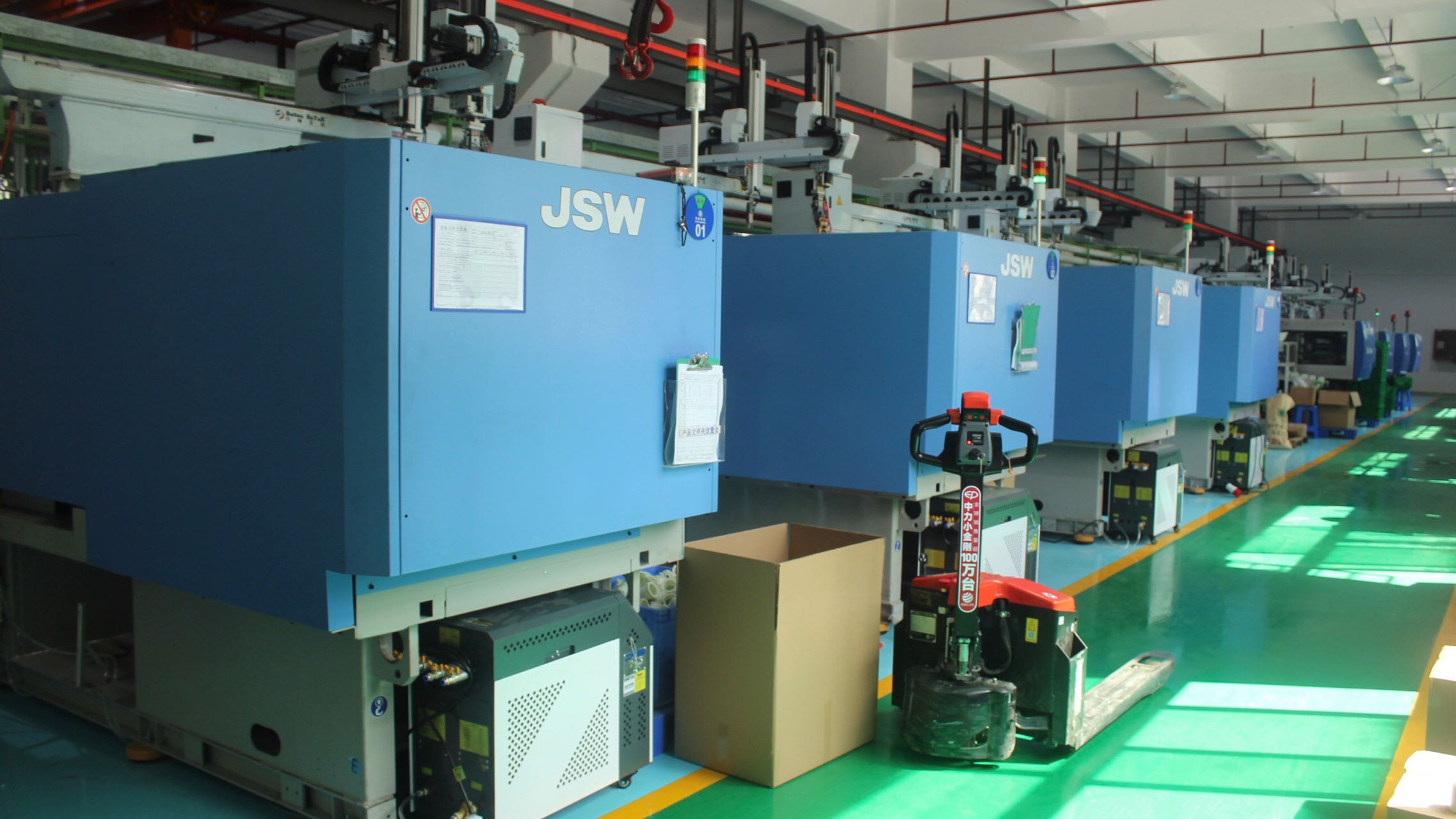
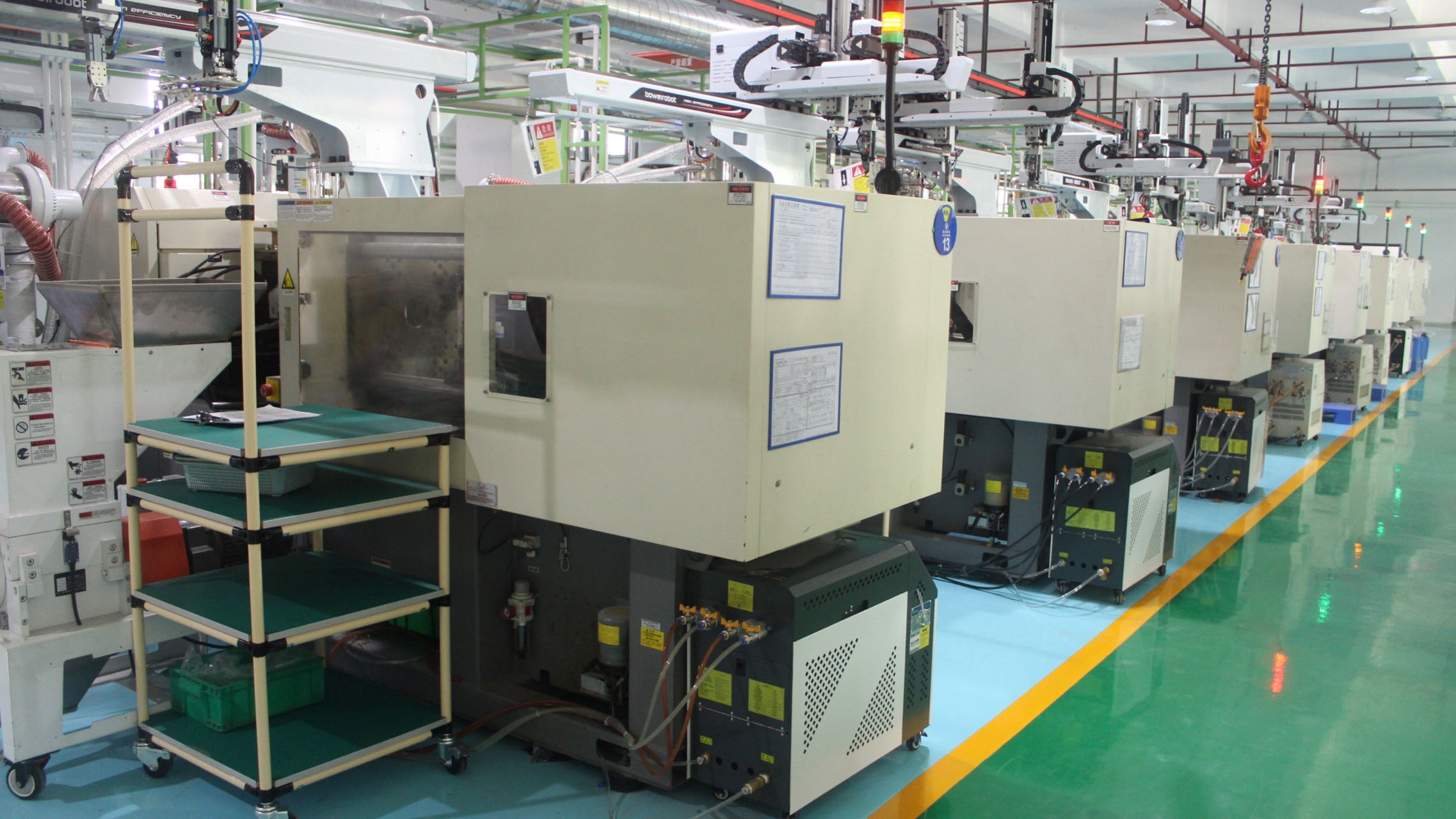
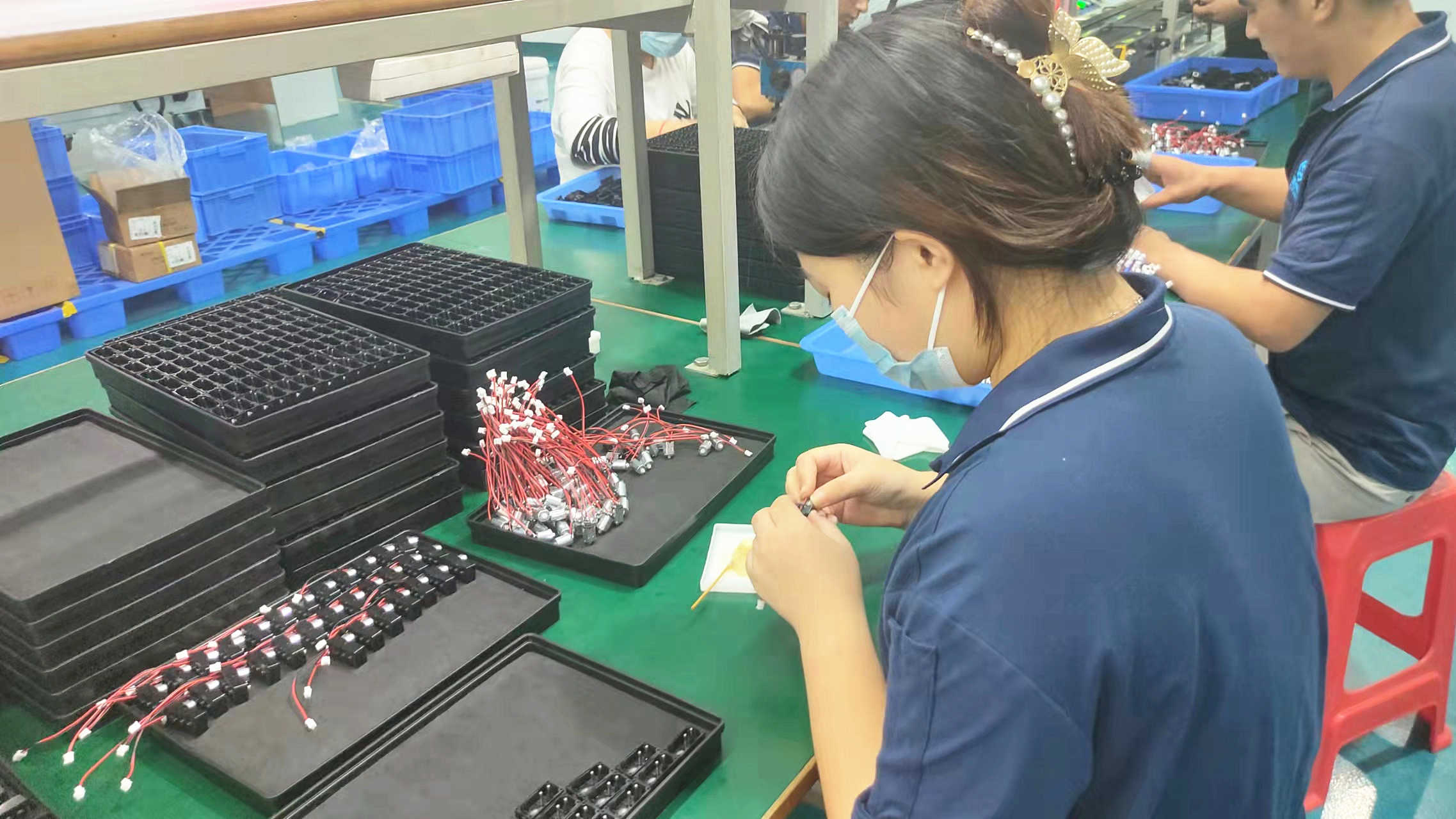
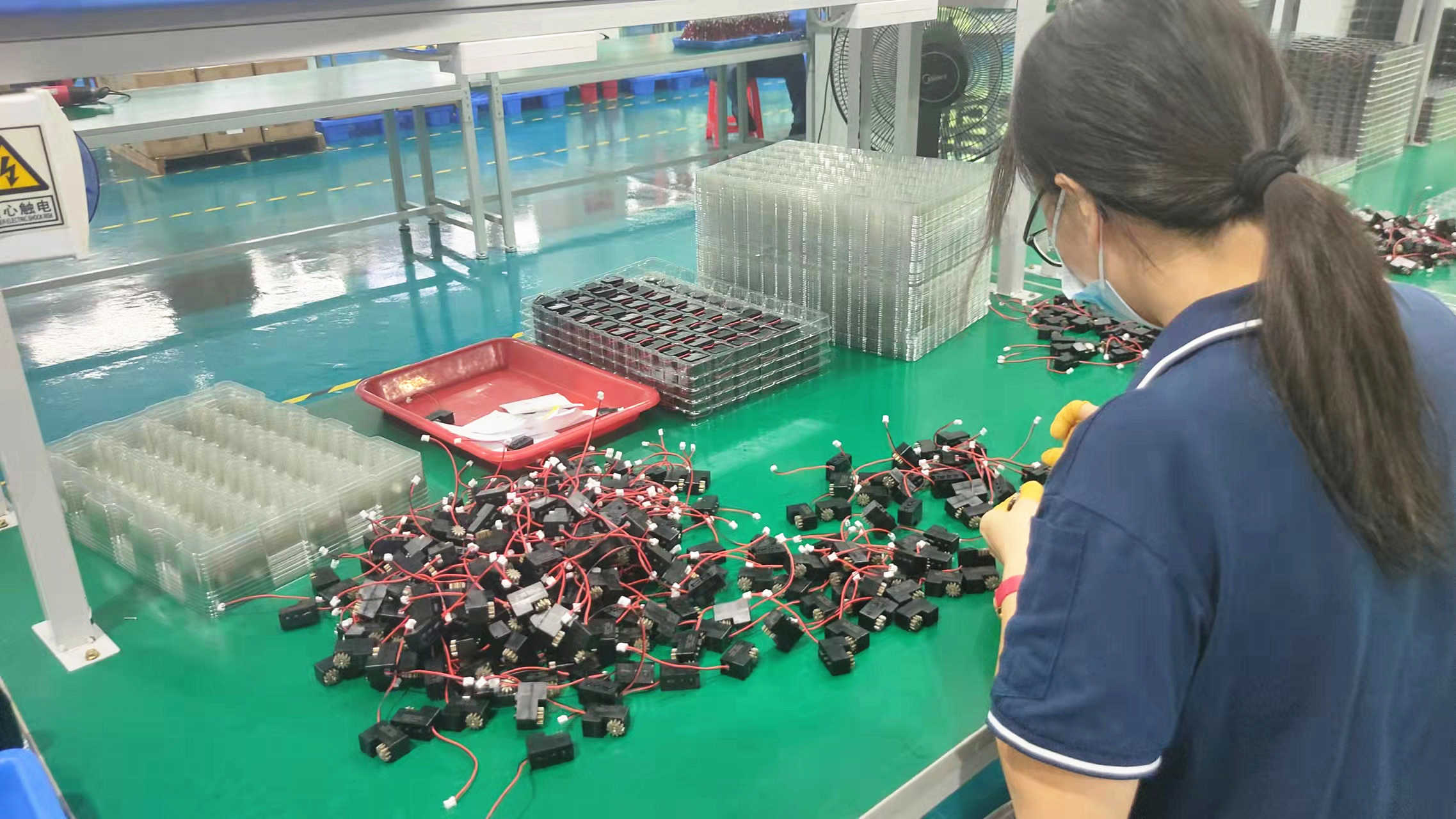
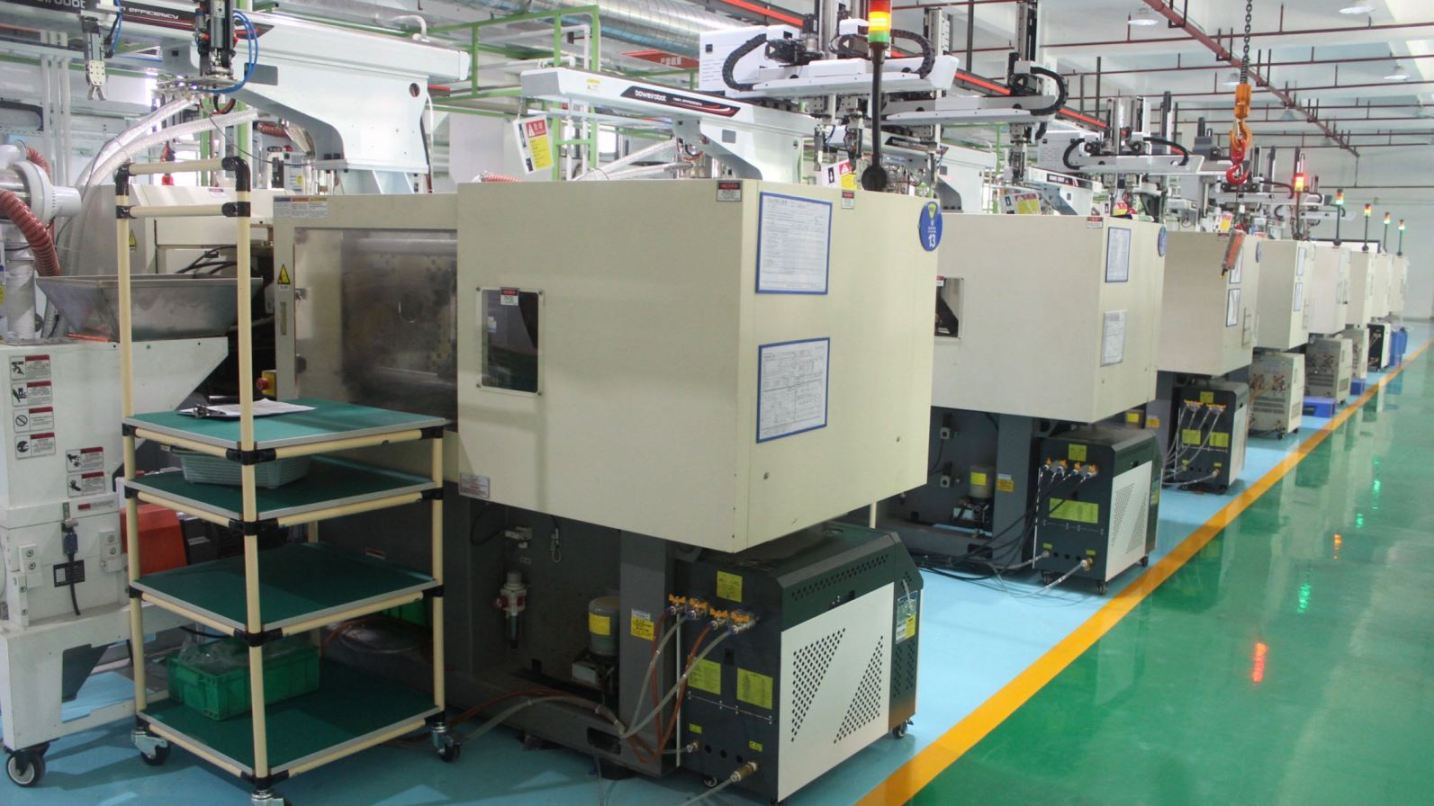
Welcome to the future of micro-drive manufacturing. Micprec Motor operates a state-of-the-art facility designed for efficiency, precision, and sustainability. As a leading China exporter of micro DC, stepping, and brushless motors, we combine twenty years of industrial heritage with a forward-thinking approach to lean automated manufacturing.
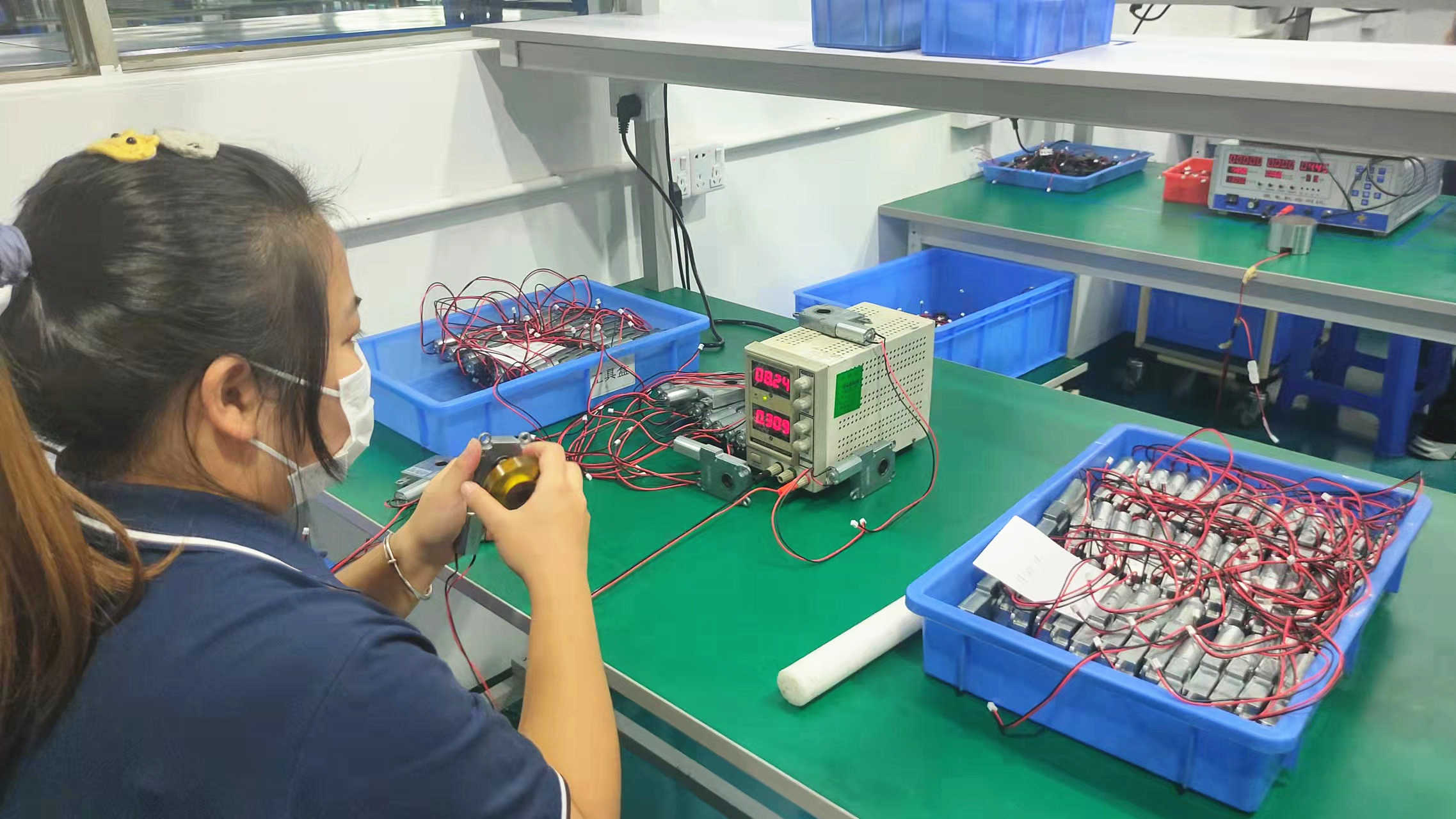
Quality and compliance are embedded in our DNA. Our entire production ecology conforms to rigorous international standards, including ISO9001, CE, RoHS, and REACH. By investing heavily in automated assembly lines and eco-friendly manufacturing processes, we ensure absolute consistency across high-volume production runs while minimizing our carbon footprint. When you choose Micprec Motor, you are not just choosing a supplier; you are choosing a responsible, transparent global supply chain partner committed to powering your products with high-efficiency, energy-saving motion control solutions.
The Paradigm Shift in Stepper Motor Procurement
In the landscape of modern mechatronics, the selection of a step motor supplier is no longer a simple transactional purchase. With the rise of Industry 4.0, Artificial Intelligence, automated medical equipment, and precise robotic systems, the step motor is the fundamental executor of digital motion. It translates discrete electrical pulses into highly precise angular movements. As global OEMs evaluate their design requirements, criteria such as holding torque efficiency, step-angle accuracy (down to sub-degree tolerances), back-electromotive force (EMF) damping, and thermal dissipation have become key differentiators.
This comprehensive whitepaper evaluates the top global innovators, manufacturers, and exporters of step motors. It details the structural advantages of China's automated manufacturing hubs, and outlines the risk-mitigation frameworks necessary for international procurement. Whether you are engineering high-speed 3D printers, complex medical analyzer carousels, automotive actuators, or high-security smart locks, this document provides the essential technical metrics to optimize your supply chain.
⚙ Technical Selection Criteria for System Architects
Evaluating electrical and mechanical parameters to guarantee motor longevity and peak operational efficiency
Phase Inductance vs. Torque-Speed Curves
Low inductance windings allow faster current rise times, optimizing high-speed torque. Conversely, high inductance windings generate greater holding torque at lower RPMs. Design engineers must map out specific application duty cycles to balance winding parameters against controller driver voltage constraints.
Step Angle Resolution and Damping
While the standard hybrid motor features a 1.8-degree step angle (200 steps per revolution), high-accuracy applications require 0.9-degree hybrid variations or 5-phase architectures. Incorporating microstepping controllers helps minimize resonance and mid-frequency instability through customized damping strategies.
Thermal Performance and Duty Cycle
Stepping motors run hot because they operate at full phase current even when stationary. Using Class B (130°C), Class F (155°C), or Class H (180°C) insulation systems prevents insulation breakdowns during heavy usage. Reliable vendors utilize specialized high-temperature varnishes and rare-earth magnets to mitigate magnetic degradation.
📊 Top 10 Step Motor Manufacturers & Exporters
The definitive engineering review of the industry's leading manufacturers for global supply chain integration
MinebeaMitsumi is a powerhouse in high-precision mechanical and electronic components. They are widely recognized for manufacturing miniature hybrid stepper motors and high-reliability ball bearings. Their step motors are used in office automation, medical analyzers, and automotive systems where bearing quality, low vibration, and exceptional lifespan are required.
Nidec is a global leader in electric motors, focusing on brushless, PM, and hybrid stepping technologies. Through key acquisitions (like US Motors and Leroy-Somer), Nidec has scaled its stepper motor catalog. Their systems feature integrated driver cards and closed-loop setups designed for industrial automation platforms requiring clean positioning performance.
MOONS' is one of the world's largest stepper motor manufacturers, offering a comprehensive lineup of hybrid stepper motors, integrated step-servo systems, and linear actuators. Based in Shanghai with international subsidiaries, they provide custom configurations for medical diagnostics, semiconductor manufacturing, and intelligent lighting systems.
Shinano Kenshi specializes in customized motion control solutions. Operating under the Plexim brand, they design custom-wrapped stepping motors and gearboxes for HVAC systems, office automation equipment, and security installations. Their focus is on low noise, high power density, and customized shafts.
Sanyo Denki's Sanmotion brand is known for high-reliability hybrid stepper motors. Their motors are designed for heavy-duty industrial automation, packaging machinery, and textile equipment. The Sanmotion series focuses on high torque at high speeds, low vibration, and precise position resolution.
Oriental Motor has been a leader in standard motion systems since 1885. They offer a massive catalog of off-the-shelf hybrid stepping motors (VEXTA series), linear actuators, and rotary encoders. They are widely used by development engineers because of their comprehensive product documentation and plug-and-play driver options.
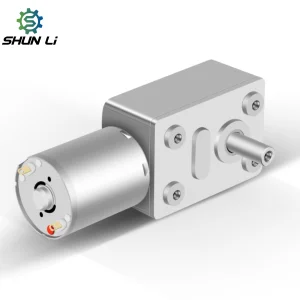
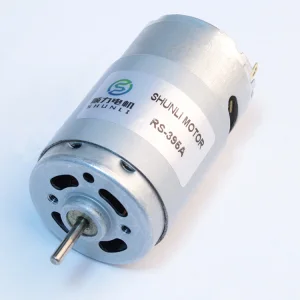
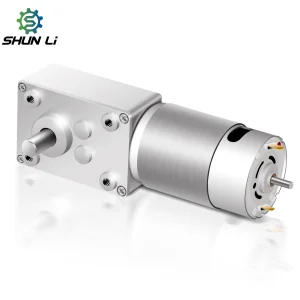
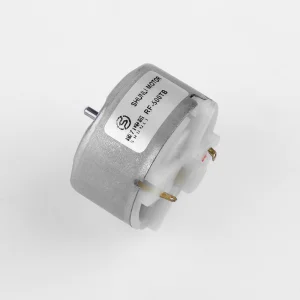
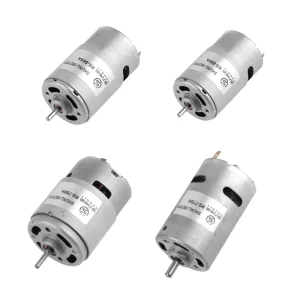
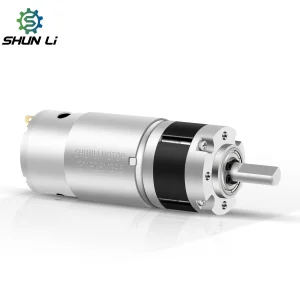
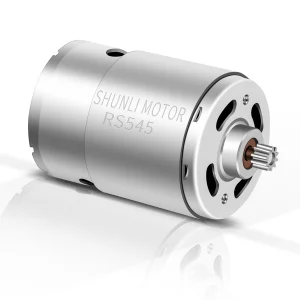
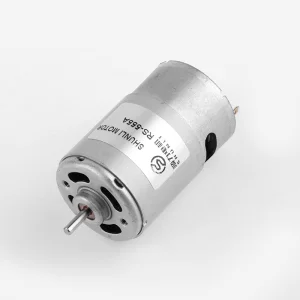
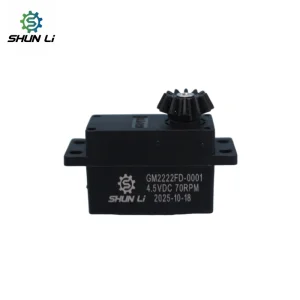
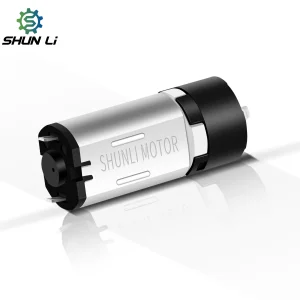
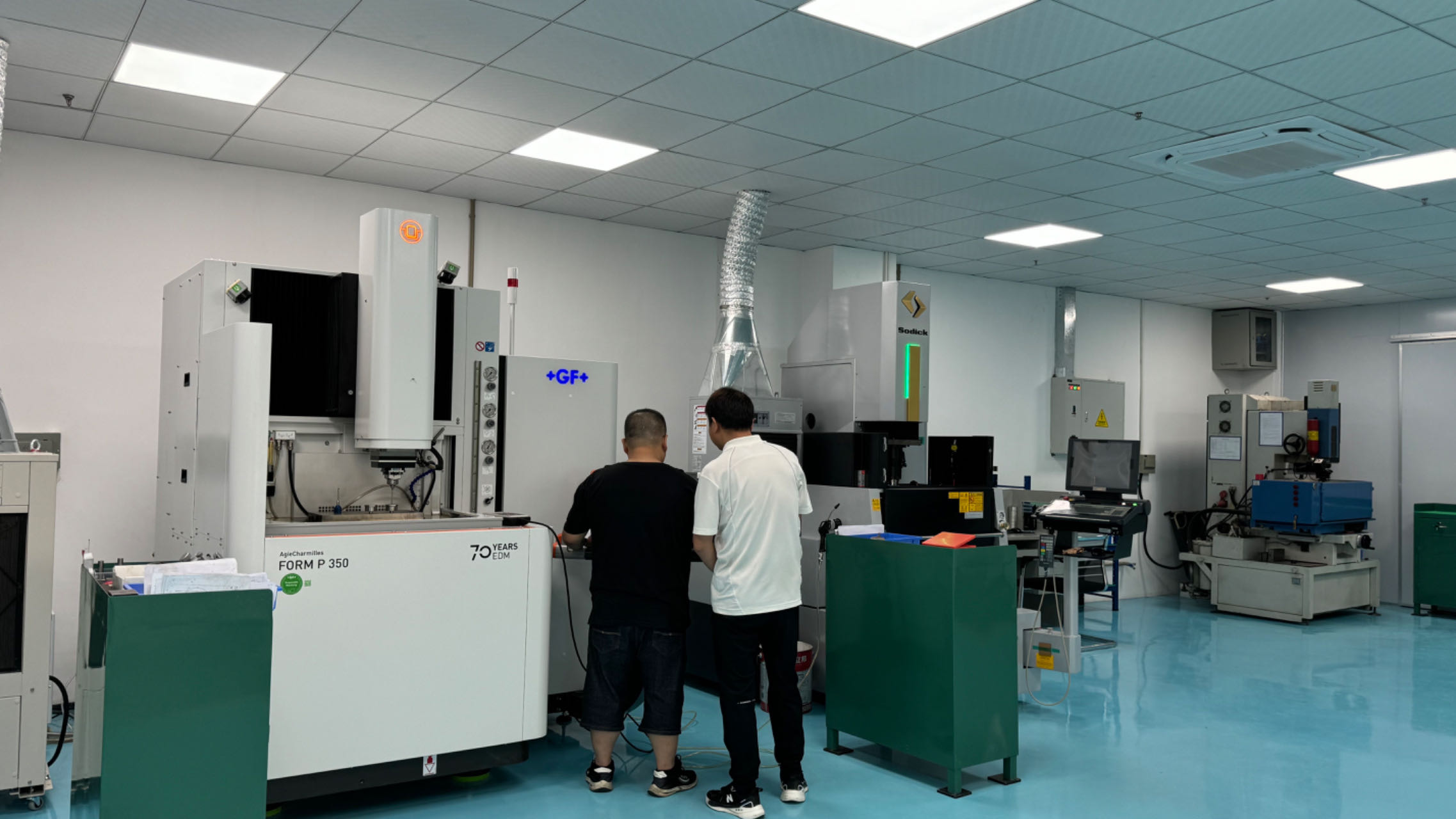
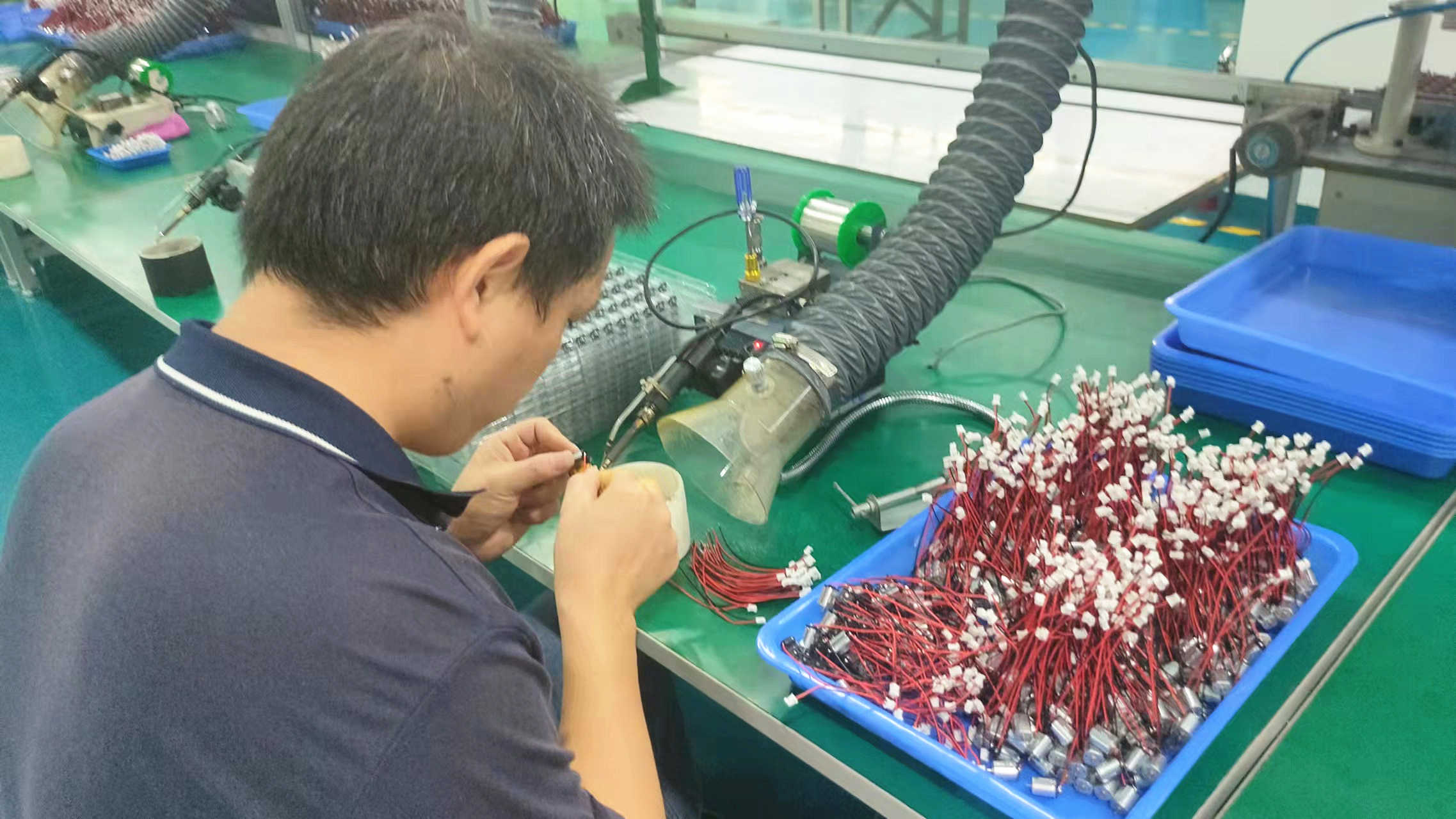
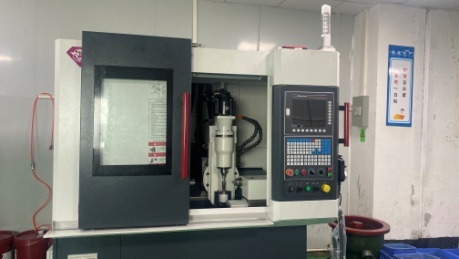
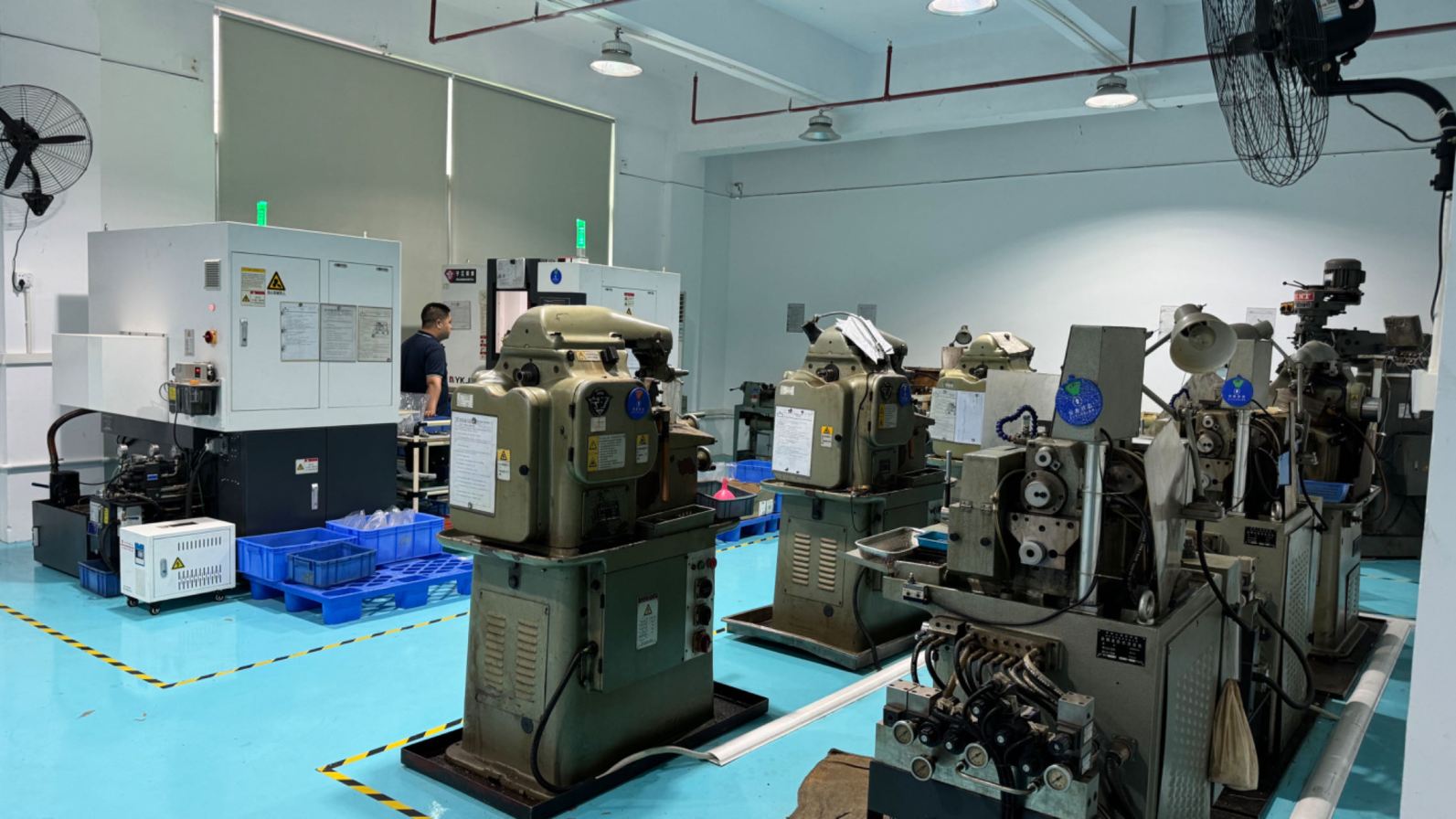
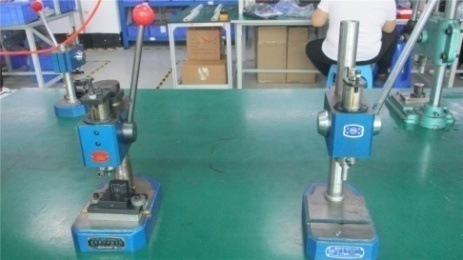
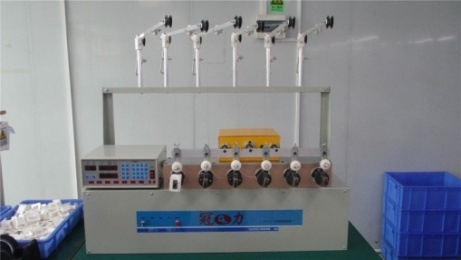
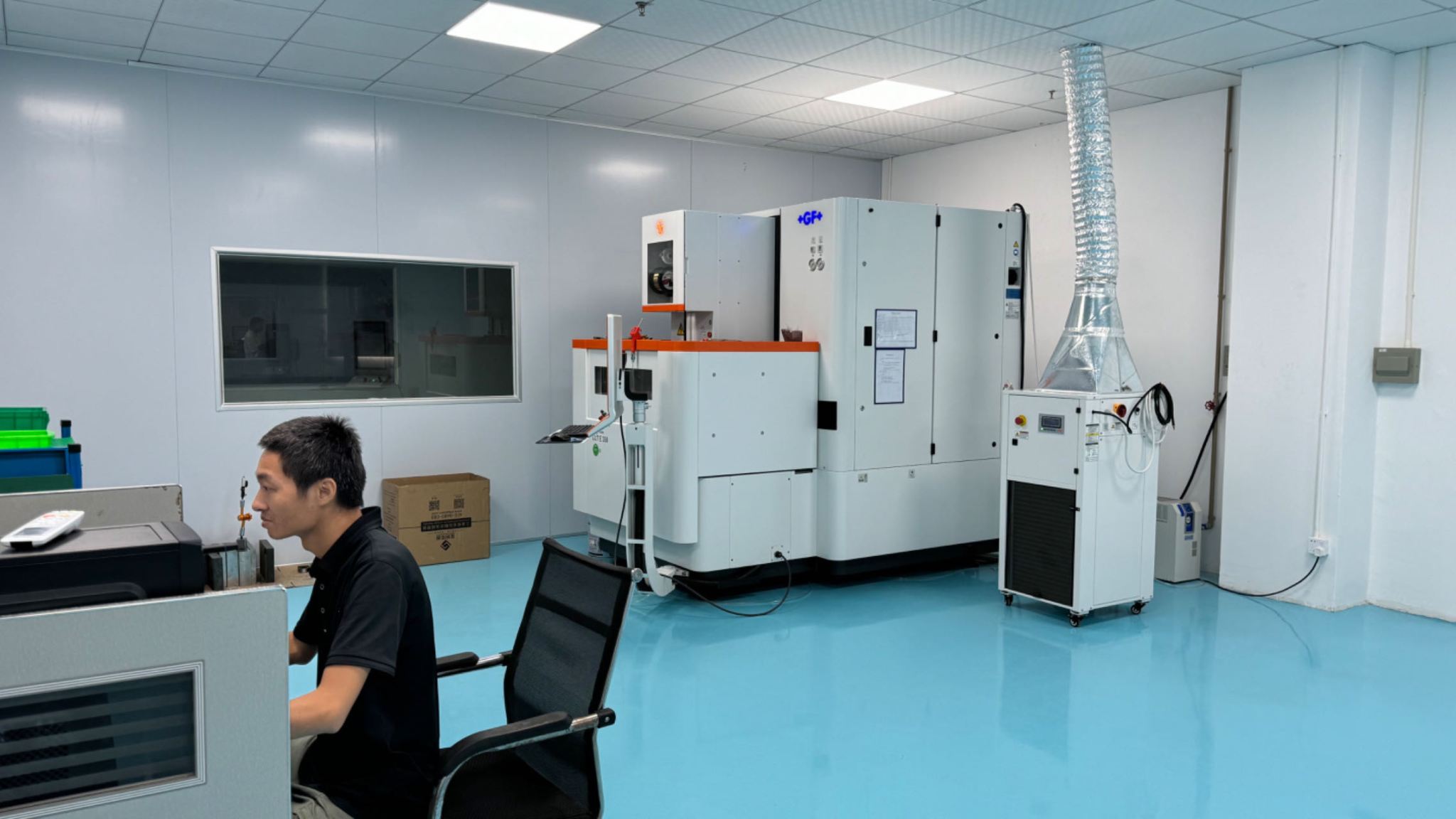
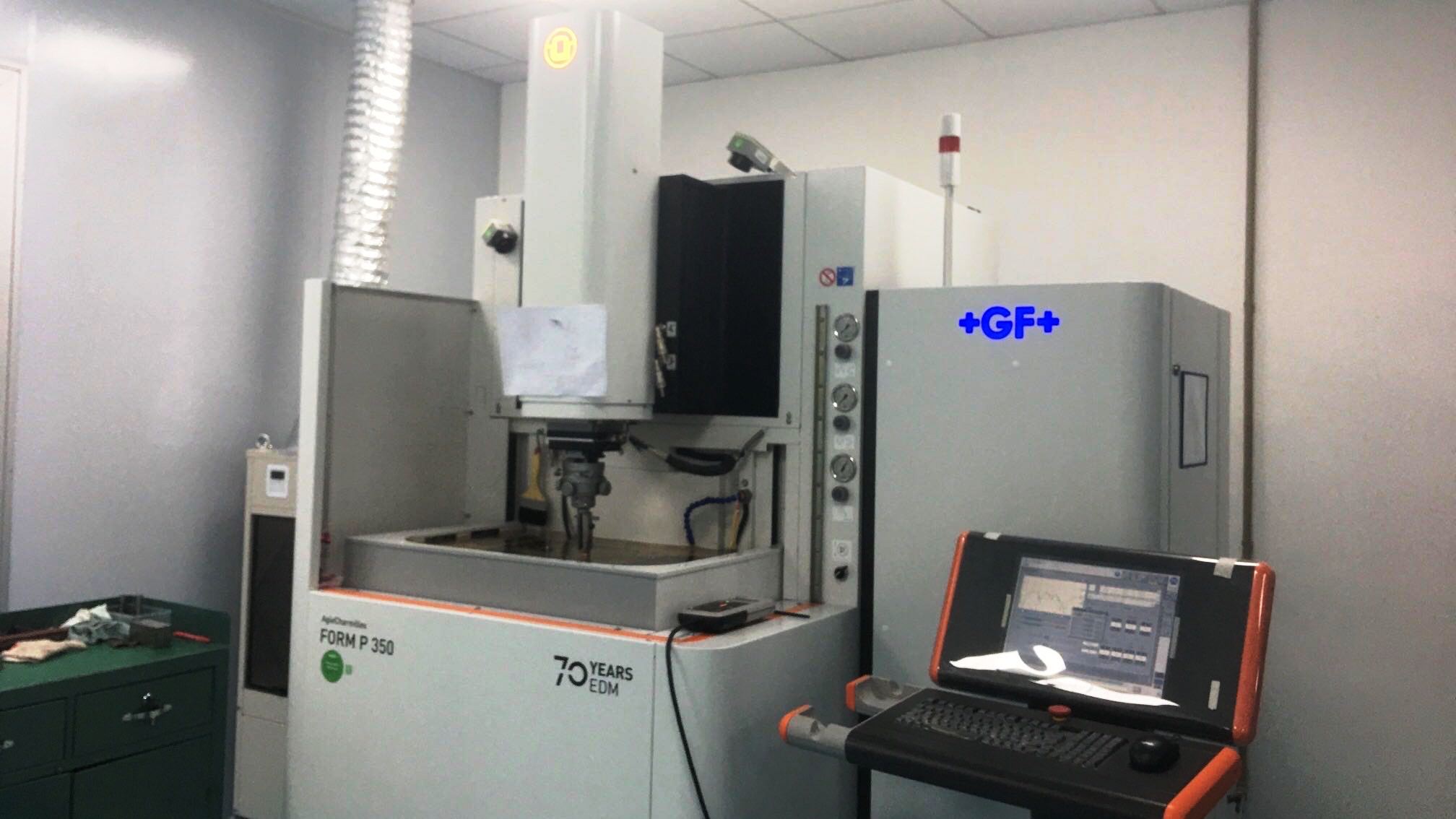
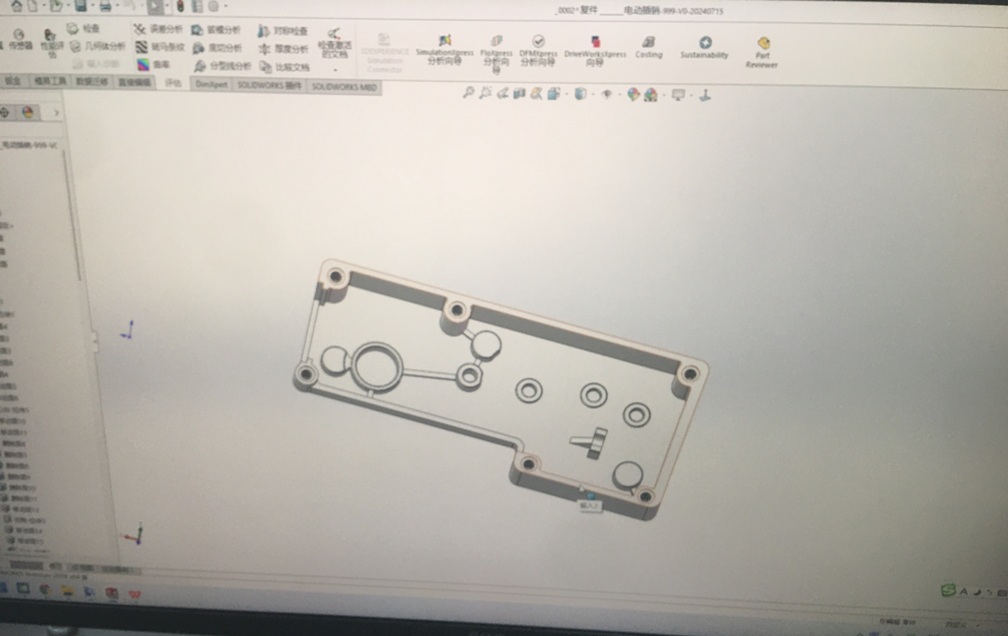
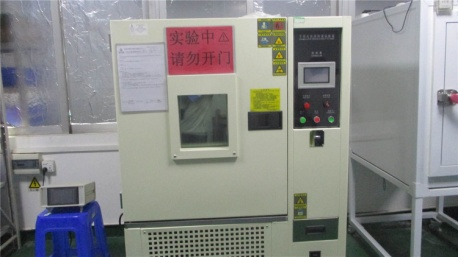
Micprec Motor (Shunli Motor) is a premium OEM/ODM manufacturer specializing in micro-drives, high-efficiency step motors, planetary gearboxes, and custom permanent magnet configurations. With over two decades of design experience, we operate modern factory floors equipped with slow-feeding NC wire-cut machines and dynamic testing chambers. We focus on providing highly customizable shafts, wire harnesses, and gear ratios to offer high-performance solutions directly to global buyers.
Portescap specializes in miniature motors. Their disc magnet stepper motors use a unique thin-disc rotor design that allows for lower rotor inertia, faster acceleration, and higher step resolution in microstepping. They are widely used in medical drug pumps, surgical tools, and tactical equipment.
Nanotec is a German manufacturer focusing on intelligent stepper motors. They are known for integrated motors that combine controller, encoder, and driver components into a single unit. Nanotec systems support CANopen, EtherCAT, and Modbus RTU communication protocols, making them popular for modular industrial machinery and AMR robotic platforms.
Sonceboz specializes in high-reliability stepper motors and mechatronics for harsh environments. Based in Switzerland, their products are designed for automotive under-hood systems, smart farming actuators, and diagnostic medical equipment. Their focus is on building robust components that resist extreme temperatures and vibration.
⚙ China Factory Supply Chain Advantages
Combining raw material clusters, automated processes, and advanced engineering talents
China remains a crucial hub for the manufacturing and export of stepping and micro motors, producing a significant share of the global supply. Understanding these regional supply chain dynamics helps procurement directors reduce total cost of ownership (TCO) while maintaining high technical quality.
1. Industrial Clustering: The Pearl River Delta and Yangtze River Delta regions host extensive supply chain networks. Raw material suppliers, copper wire extruders, tool and die shops, and automated plating facilities are located in close proximity. This geographic density reduces component lead times, allowing fast turnaround on prototypes and customized production runs.
2. Material Access: China has access to rare-earth mineral deposits, which are essential for manufacturing permanent magnets. This supply helps secure the neodymium (NdFeB) and samarium-cobalt (SmCo) magnets used in hybrid stepper motors. Local manufacturing helps buffer against international material cost spikes, providing more stable pricing for long-term supply contracts.
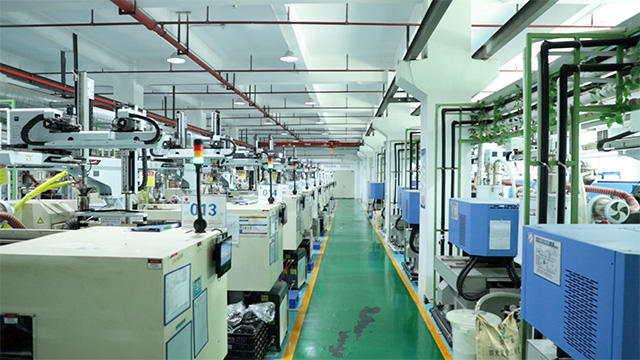
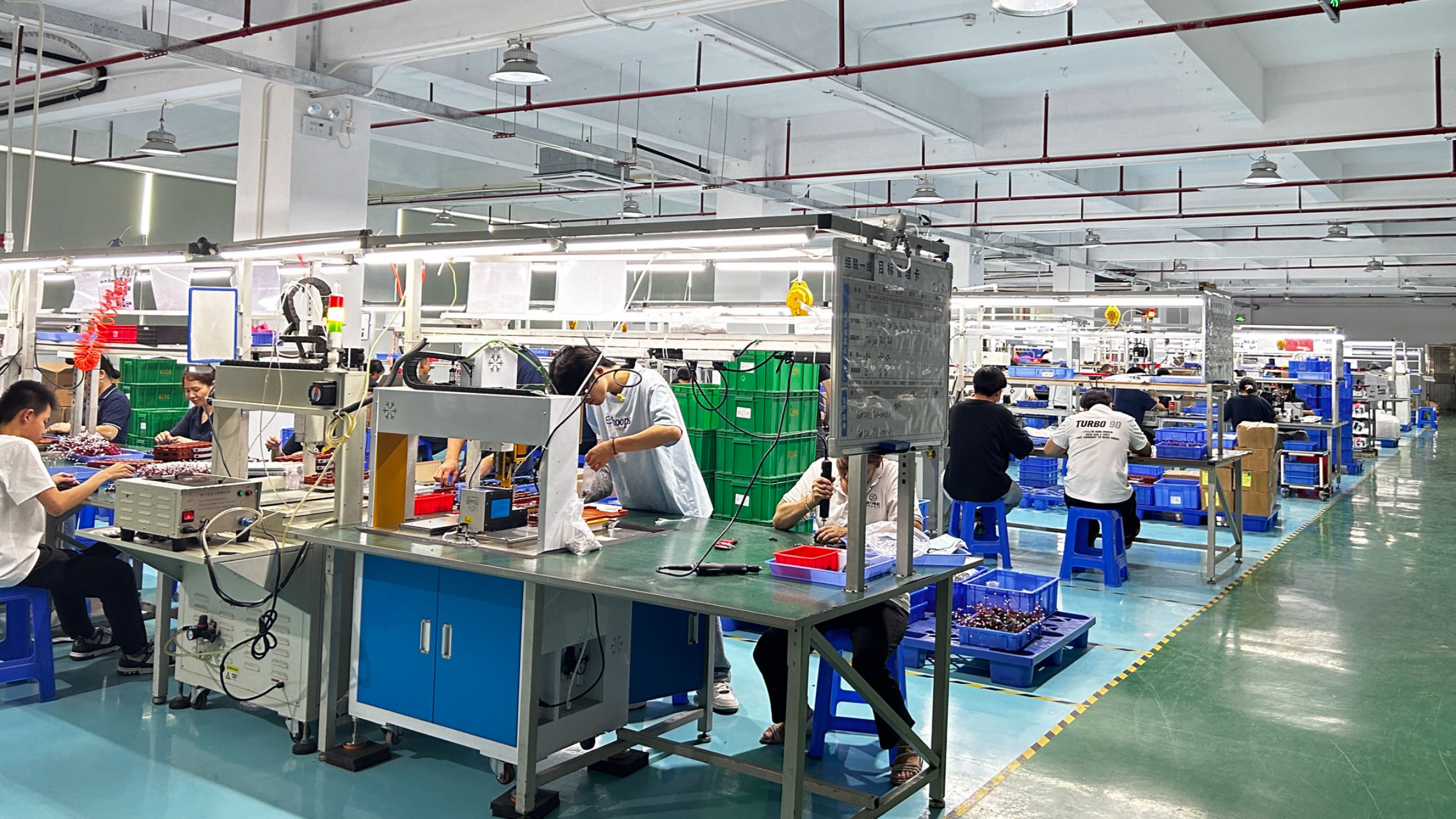
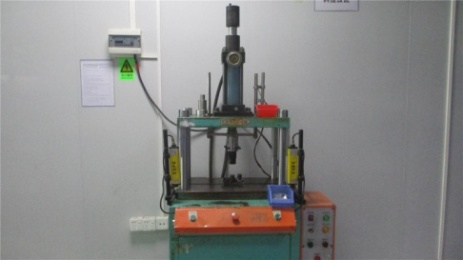
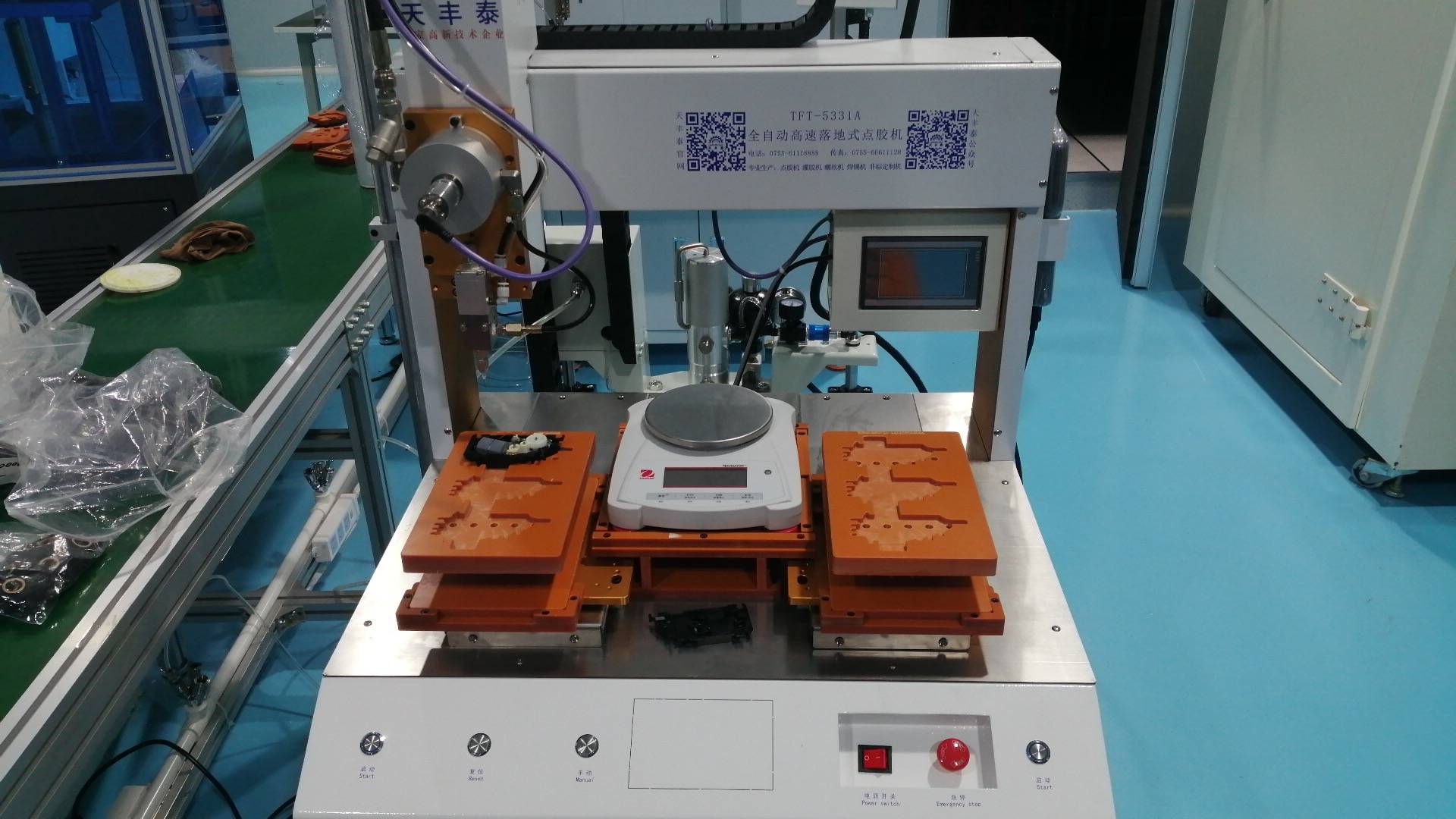
3. Advanced Automation: Chinese manufacturing has evolved from manual assembly to highly automated production. Modern facilities utilize multi-station winding machines, automatic shaft inserters, laser welders, and in-line visual inspection systems. This shift helps ensure high dimensional consistency, reduces human error, and keeps production lines efficient.
🛡 Global Enterprise Procurement & Compliance Standards
Ensuring cross-border regulatory compliance, quality control, and testing protocols
For industrial machinery, medical devices, and automotive systems, compliance is a strict entry requirement. A reliable exporter must provide comprehensive testing documentation and comply with relevant international standards:
Required Compliance Certifications
- ISO 9001 (Quality Management): Confirms that the manufacturer maintains a documented quality system from raw material inspection (IQC) through in-process checks (IPQC) to final testing (OQC).
- CE & RoHS/REACH: Vital for entering the European market. RoHS certifies that motors do not contain hazardous substances like lead, mercury, or hexavalent chromium. REACH ensures no SVHC (Substances of Very High Concern) are present.
- UL/CSA Approvals: Crucial for the North American market. Stepper motors used in industrial control panels or appliances typically require recognized insulation systems (UL Class 130/155/180).
- IATF 16949 (Automotive Standard): Required for automotive applications. It mandates strict failure mode and effects analysis (FMEA), advanced product quality planning (APQP), and control plans.
Factory Testing Protocols
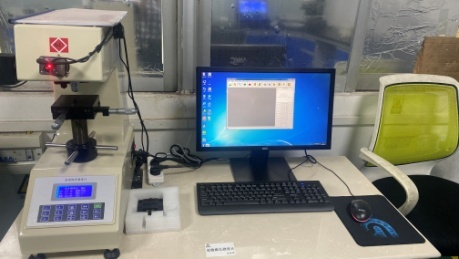
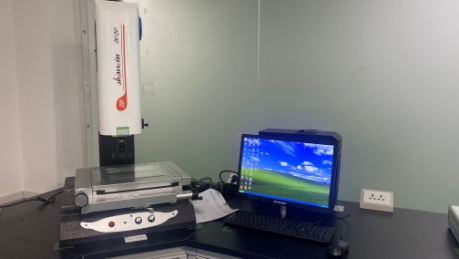
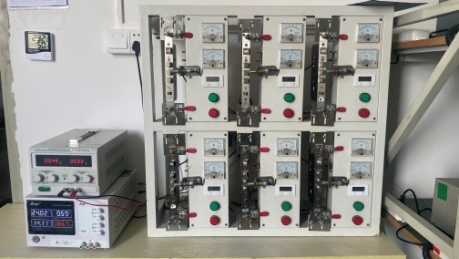
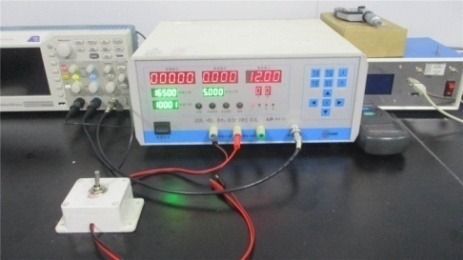
Quality assurance must go beyond basic electrical resistance checks. Modern testing protocols include:
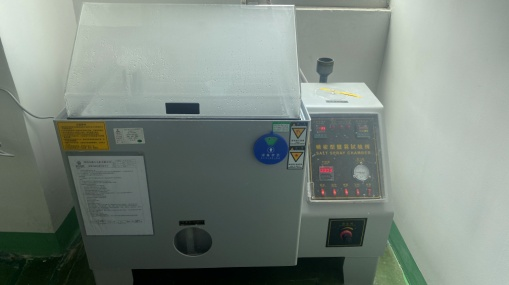
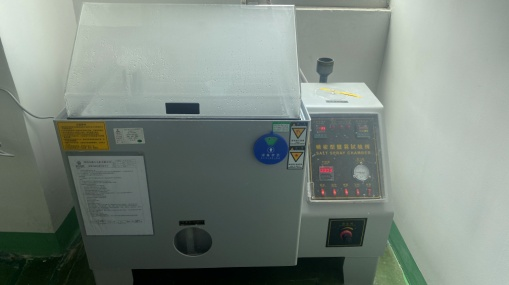
- Salt Spray Testing: Evaluates corrosion resistance for shaft finishes and metal housings in marine or humid environments.
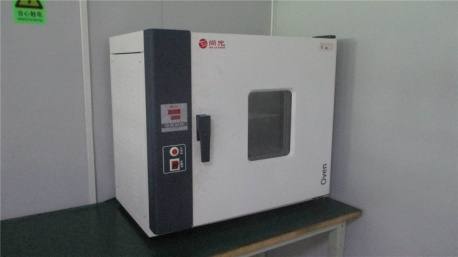
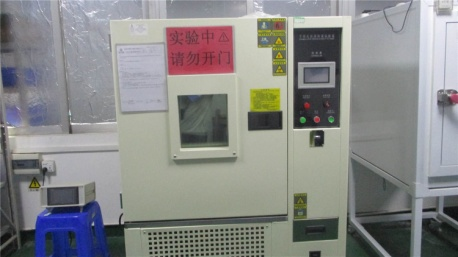
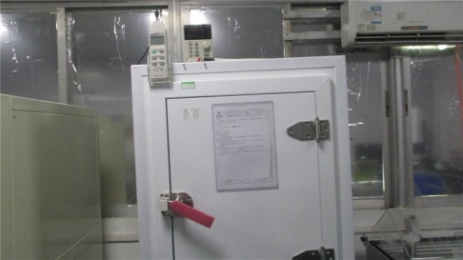
- Programmable Temperature & Humidity Testing: Tests motor reliability under extreme environmental shifts.
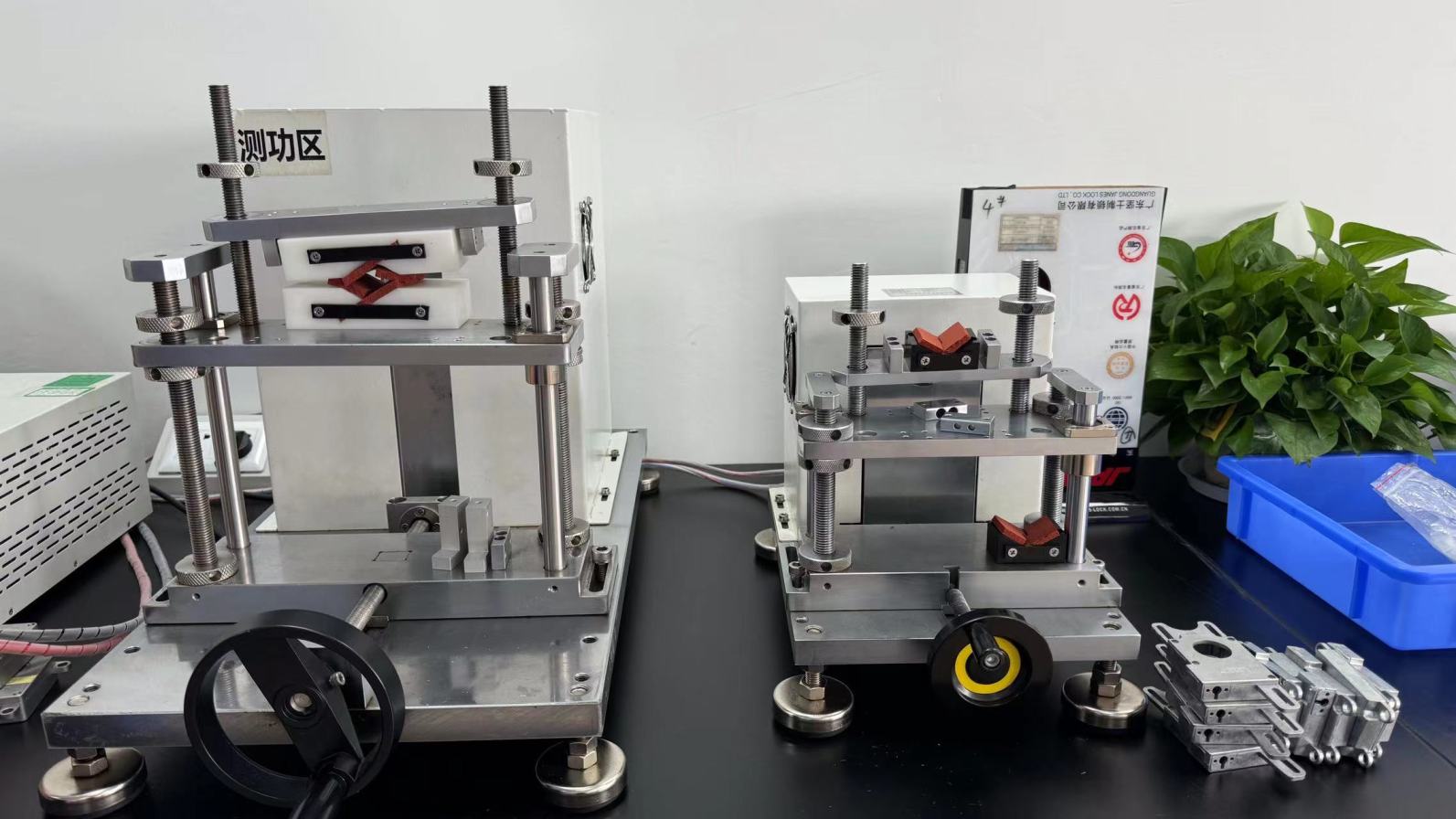
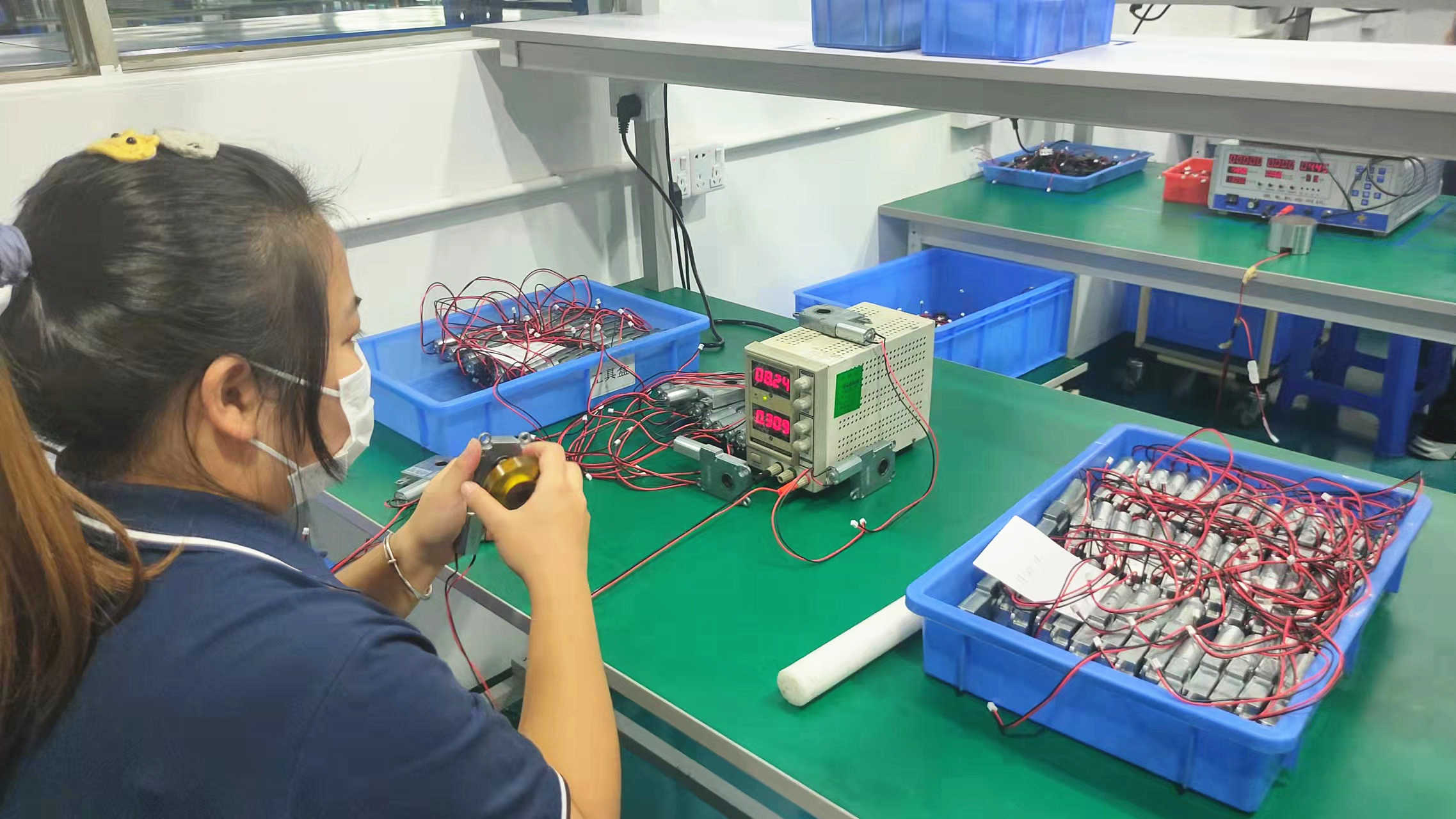
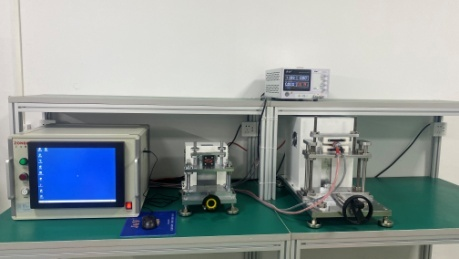
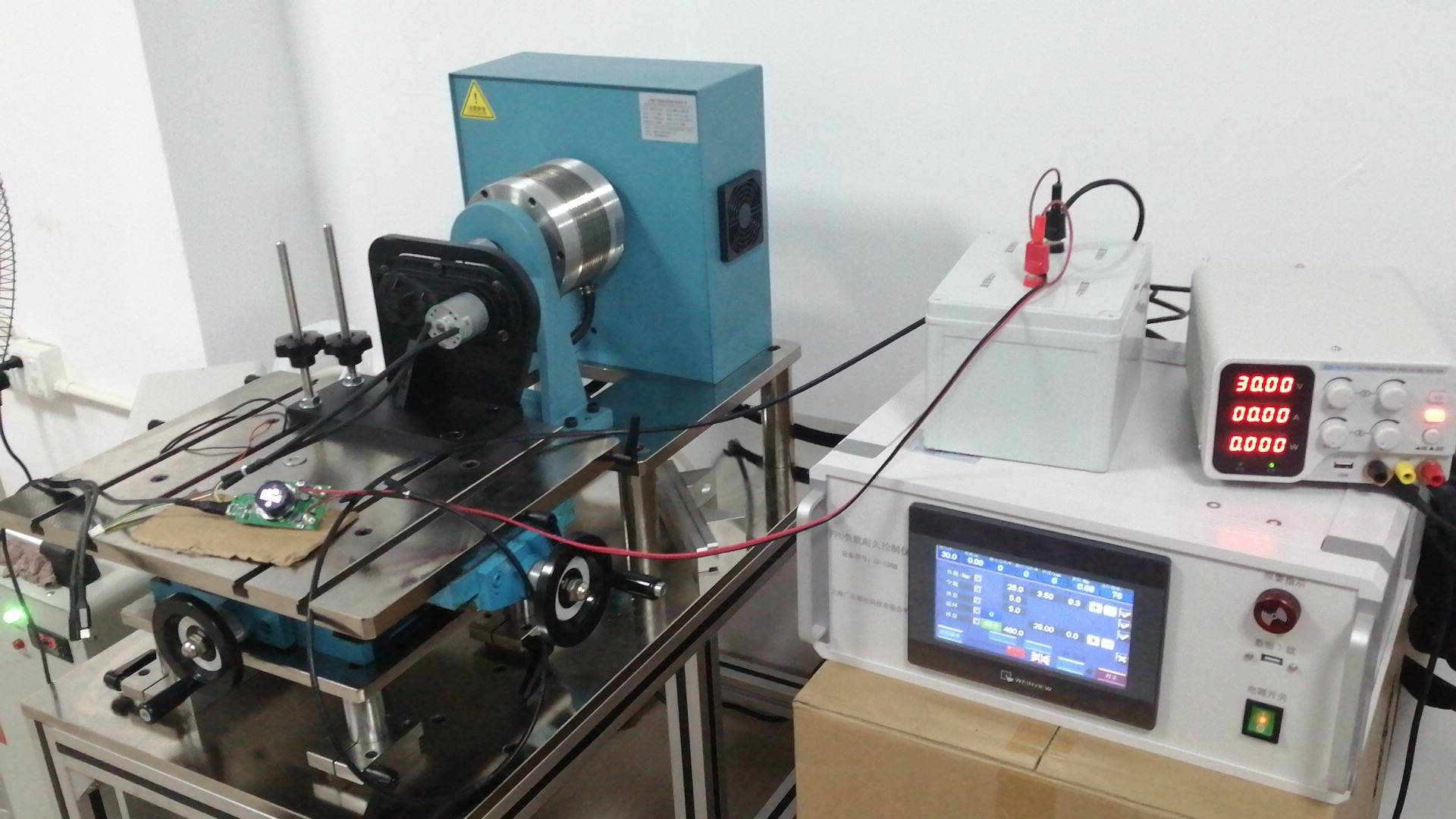
- Dynamometer Testing: Measures holding torque, pull-out torque, and dynamic speed-torque curves under real load conditions.
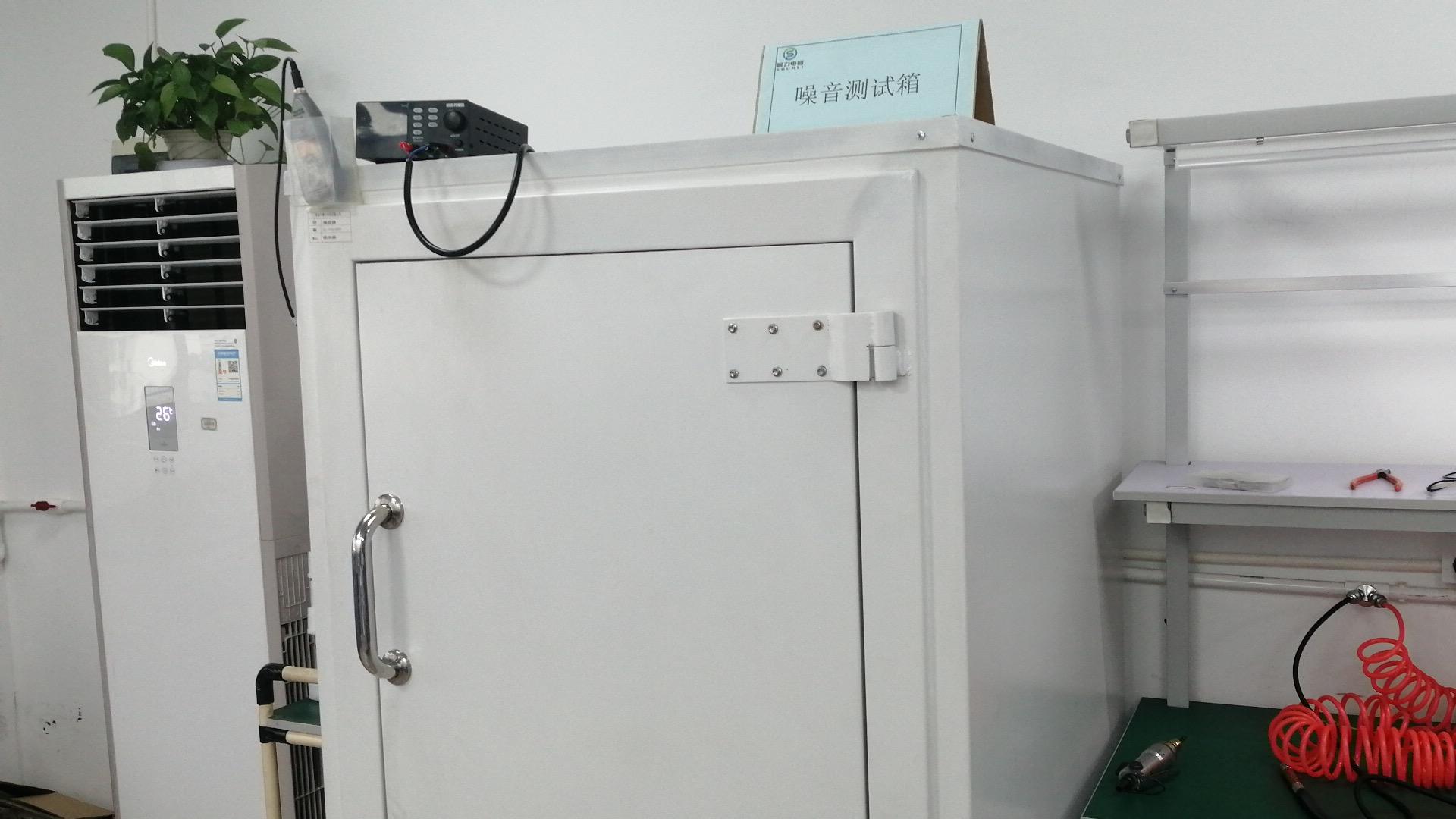
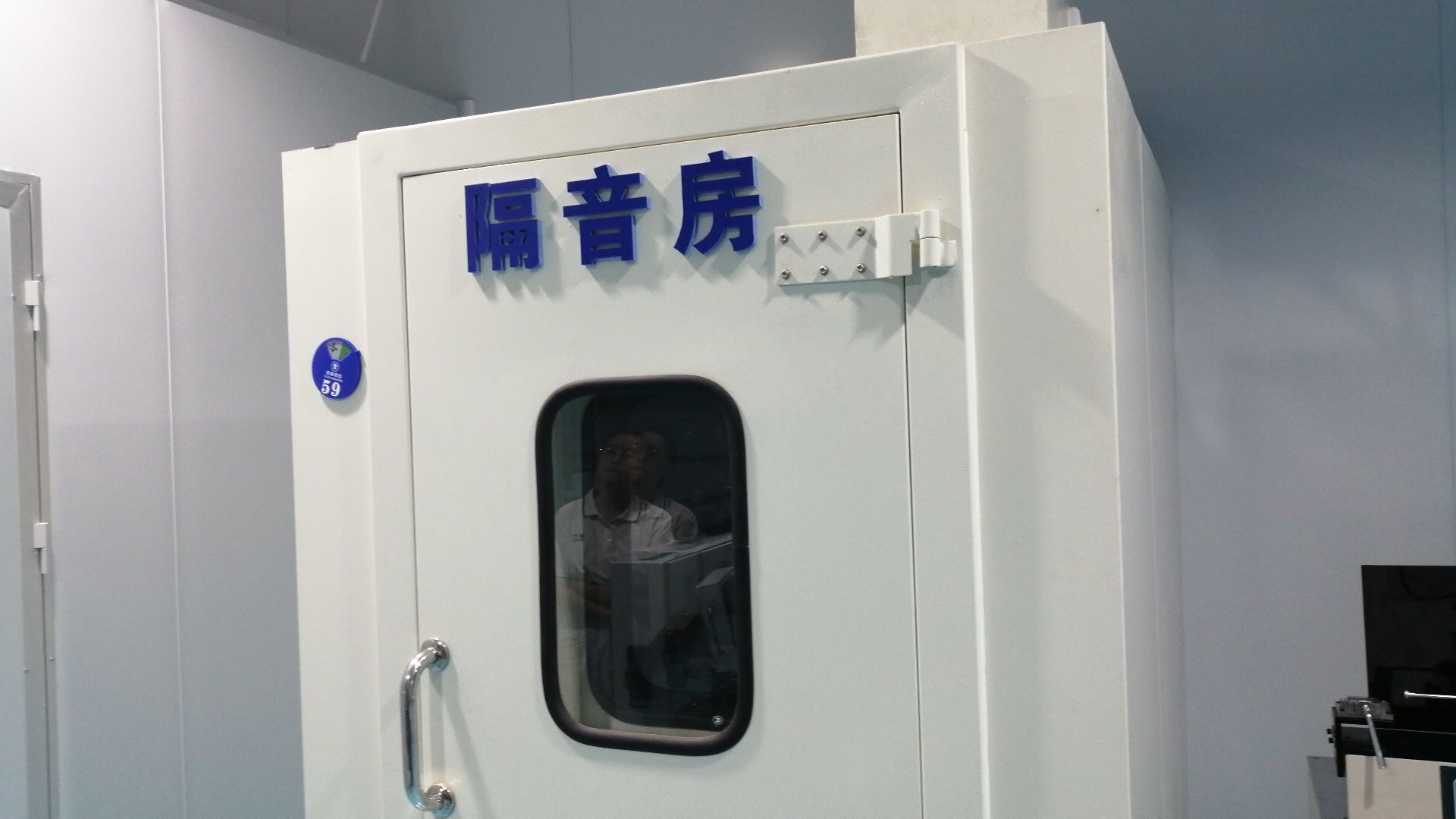
- Noise Testing Chambers: Verifies decibel levels in quiet-running applications like medical devices and home automation.
⚙ Customization & Localized Technical Support
Shortening the loop between design feedback, customized prototypes, and international delivery
Off-the-shelf stepper motors rarely fit an application perfectly. Most designs require some level of mechanical or electrical customization. Experienced manufacturers offer standard options for customization:
- Mechanical Shaft Modifications: Including flat D-cut shafts, cross-holes, external keyways, or integrated helical worms and lead screws to simplify system assembly.
- Electrical Configurations: Customized winding options to optimize current and voltage characteristics, along with custom wire harness assemblies and sealed connectors (IP-rated).
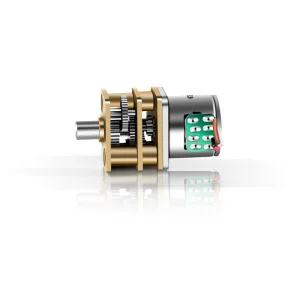
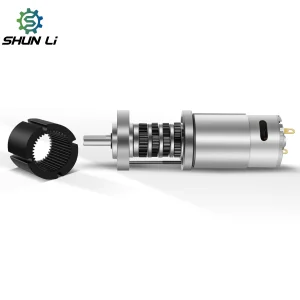
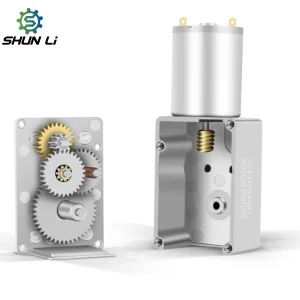
- Planetary Gearbox Integration: Matching the motor with a spur or planetary gearbox to increase torque output and reduce output speed.
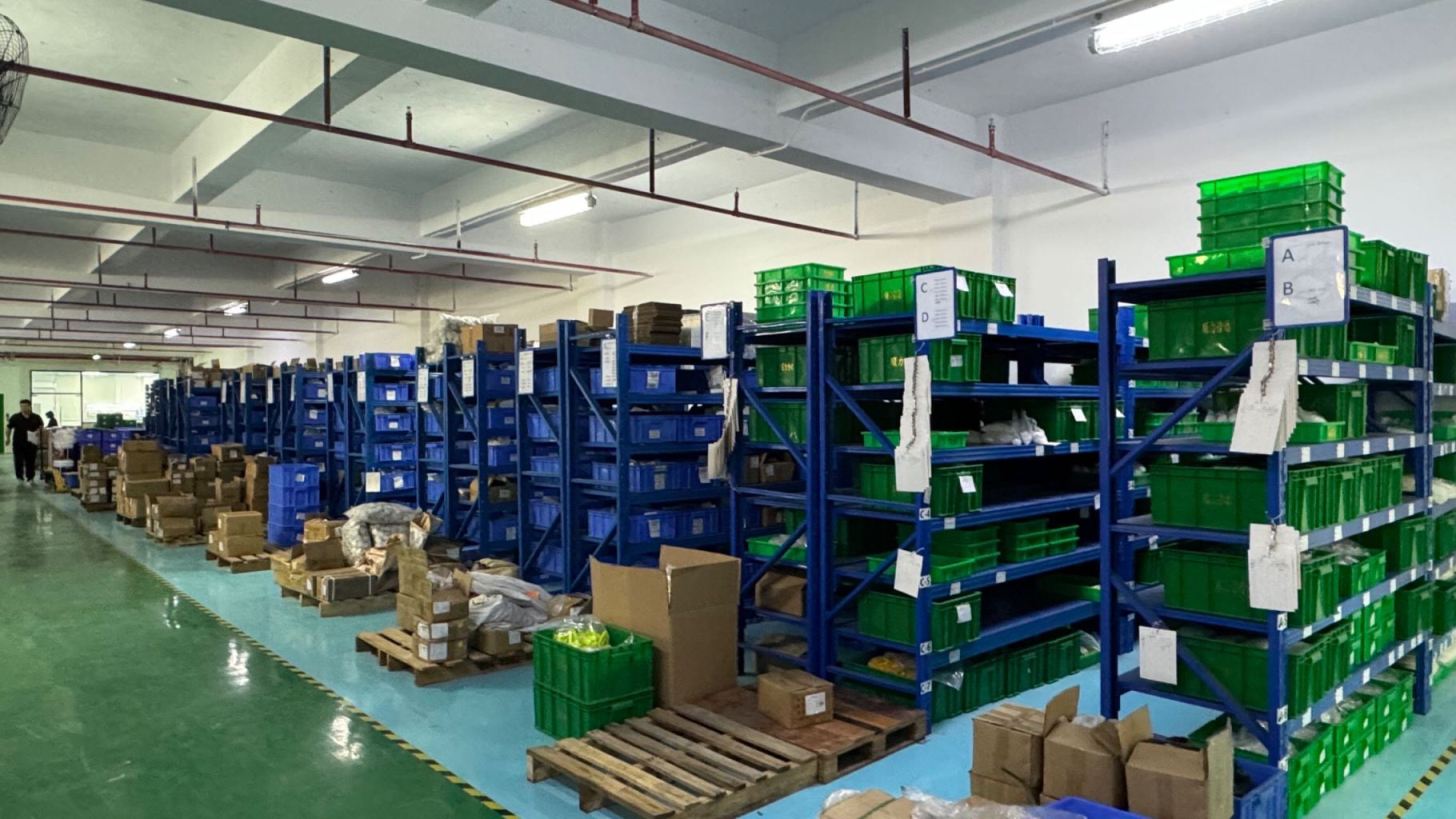
To maintain efficient supply chains, leading manufacturers establish regional support offices, partner with local engineering distributors, or employ dedicated field application engineers (FAEs). This localized support simplifies communication, helps resolve technical integration issues, and coordinates logistics like safety stock warehousing and JIT deliveries.
🚀 Application Scenarios & Future Technology Trends
Integrating step motor technology with robotics, medical systems, and intelligent machines
Stepper motors are adapting to support new smart technologies and industrial applications:
Medical Diagnostics & Infusion Pumps: Require quiet operation, precise positioning, and long service life. Dynamic dampening systems and high-resolution hybrid steppers help ensure consistent performance.
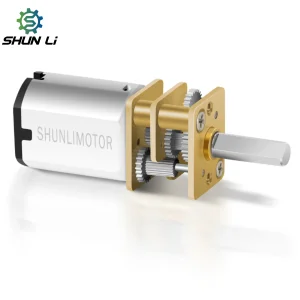
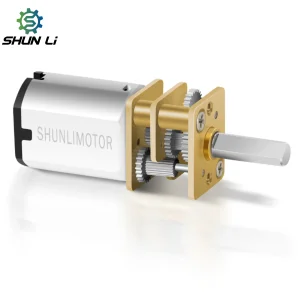
Security Devices & Smart Locks: Miniaturized PM stepper motors, like the GM12-15BY or N20 gearboxes, provide reliable mechanical locking mechanisms in compact form factors.
Automotive Mechatronics: From headlight adjusters to electronic throttle valves, rugged stepping actuators operate reliably under wide temperature swings and high vibration.
Future Technology Trends
1. Closed-Loop Stepper Systems: By adding magnetic or optical encoders, closed-loop systems (often called hybrid servos) prevent step loss, reduce energy consumption, and minimize motor heating.
2. Integrated Drives: Placing driver/controller boards directly onto the motor housing reduces EMI noise, simplifies cable routing, and saves space in control cabinets.
3. Industrial Communication Protocols: Advanced stepper controllers now integrate CANopen, EtherCAT, and IO-Link protocols, allowing real-time diagnostics and predictive maintenance.
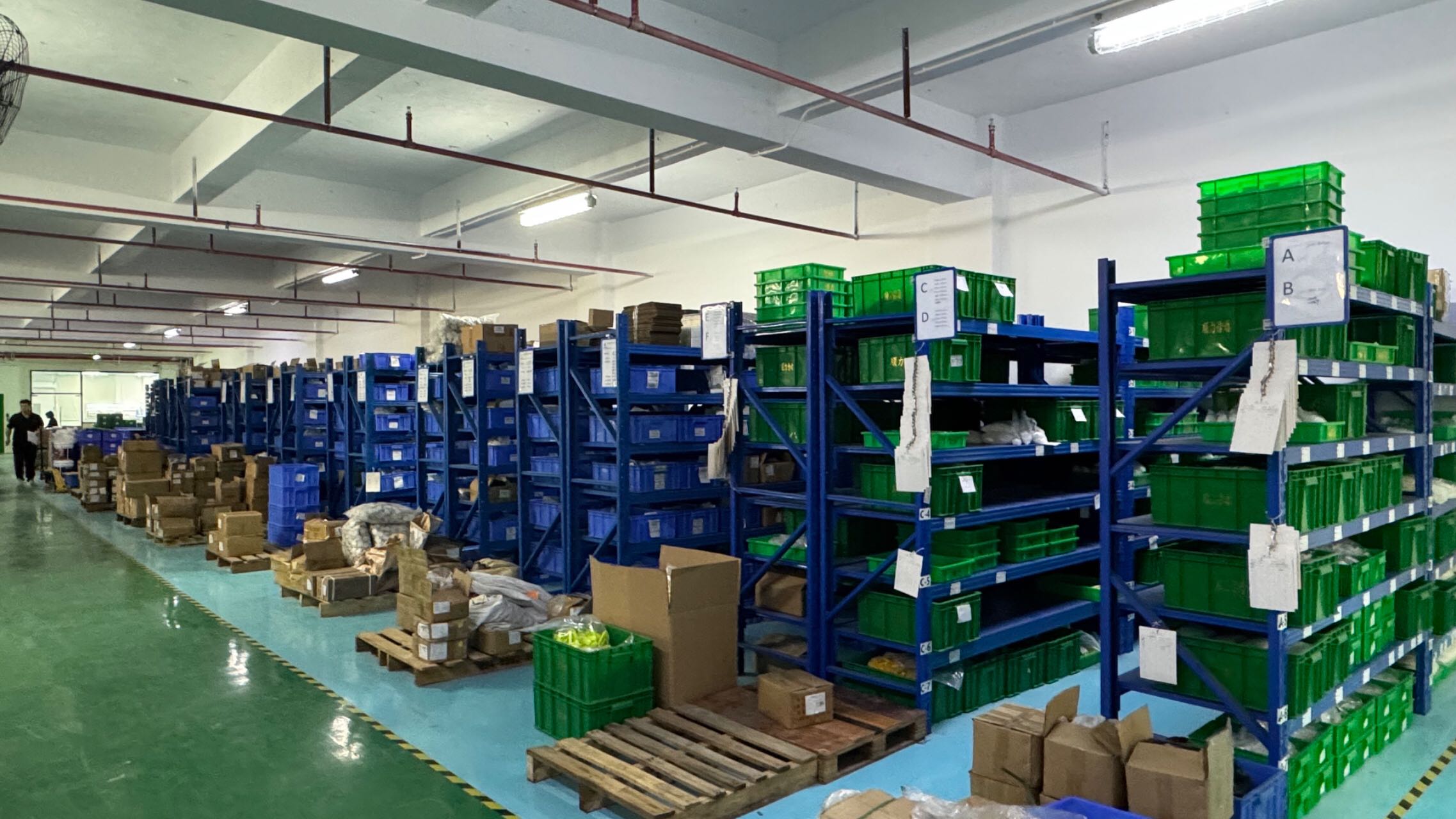
🏭 Automated Plant Tour & Quality Metrology Labs
Take an inside look at our raw material sourcing, automated machining, assembly, and QA testing facilities
1. Essential Production Process Flow

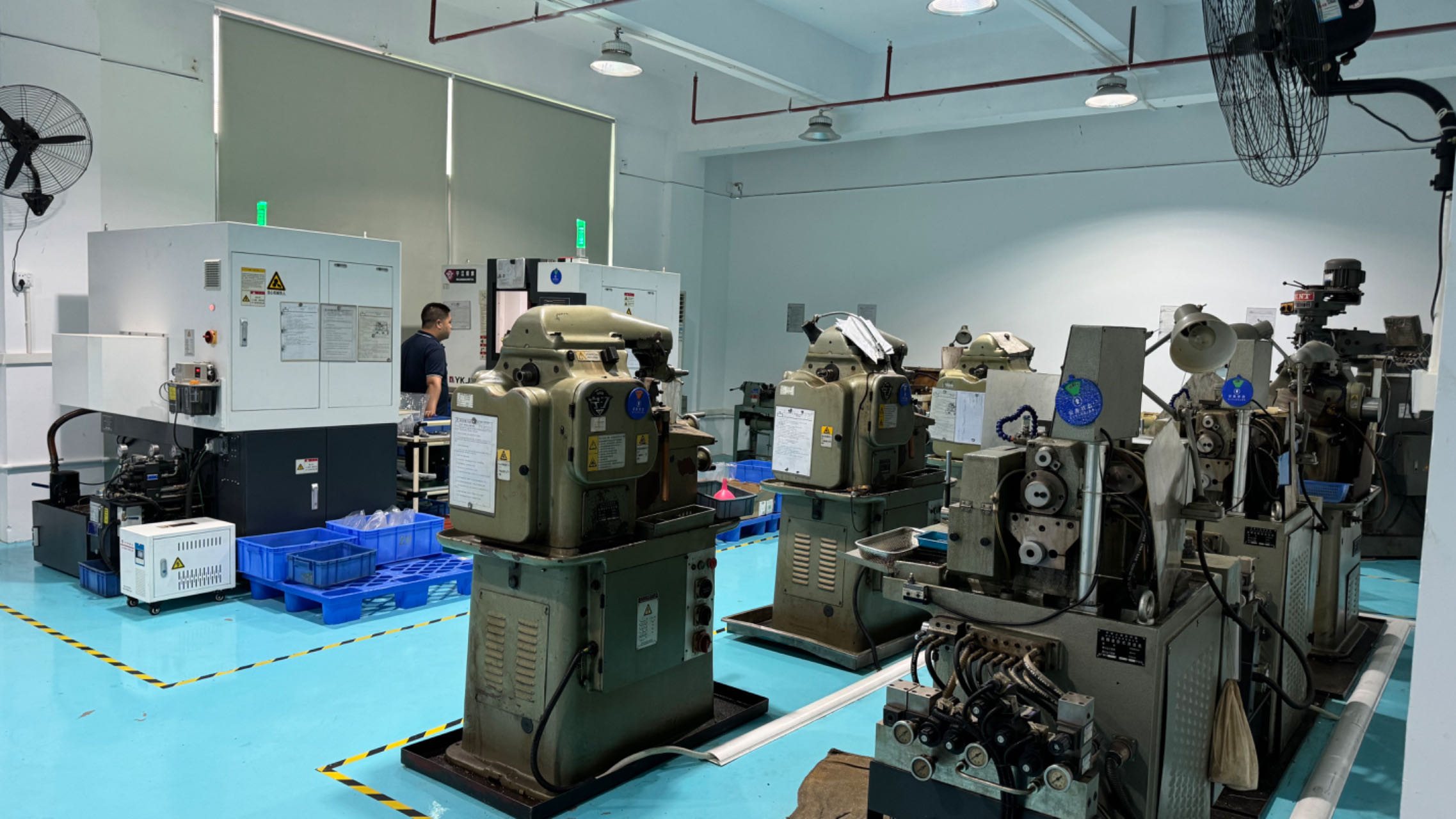
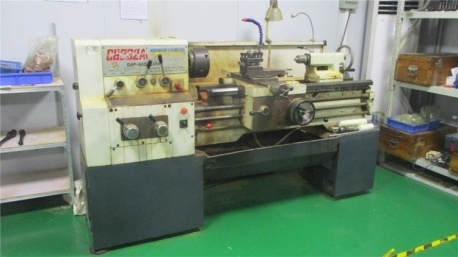
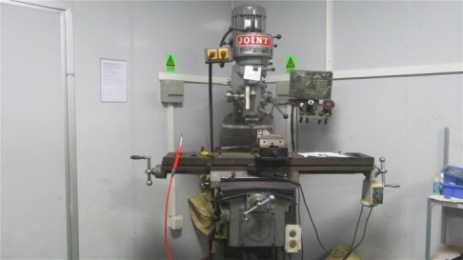
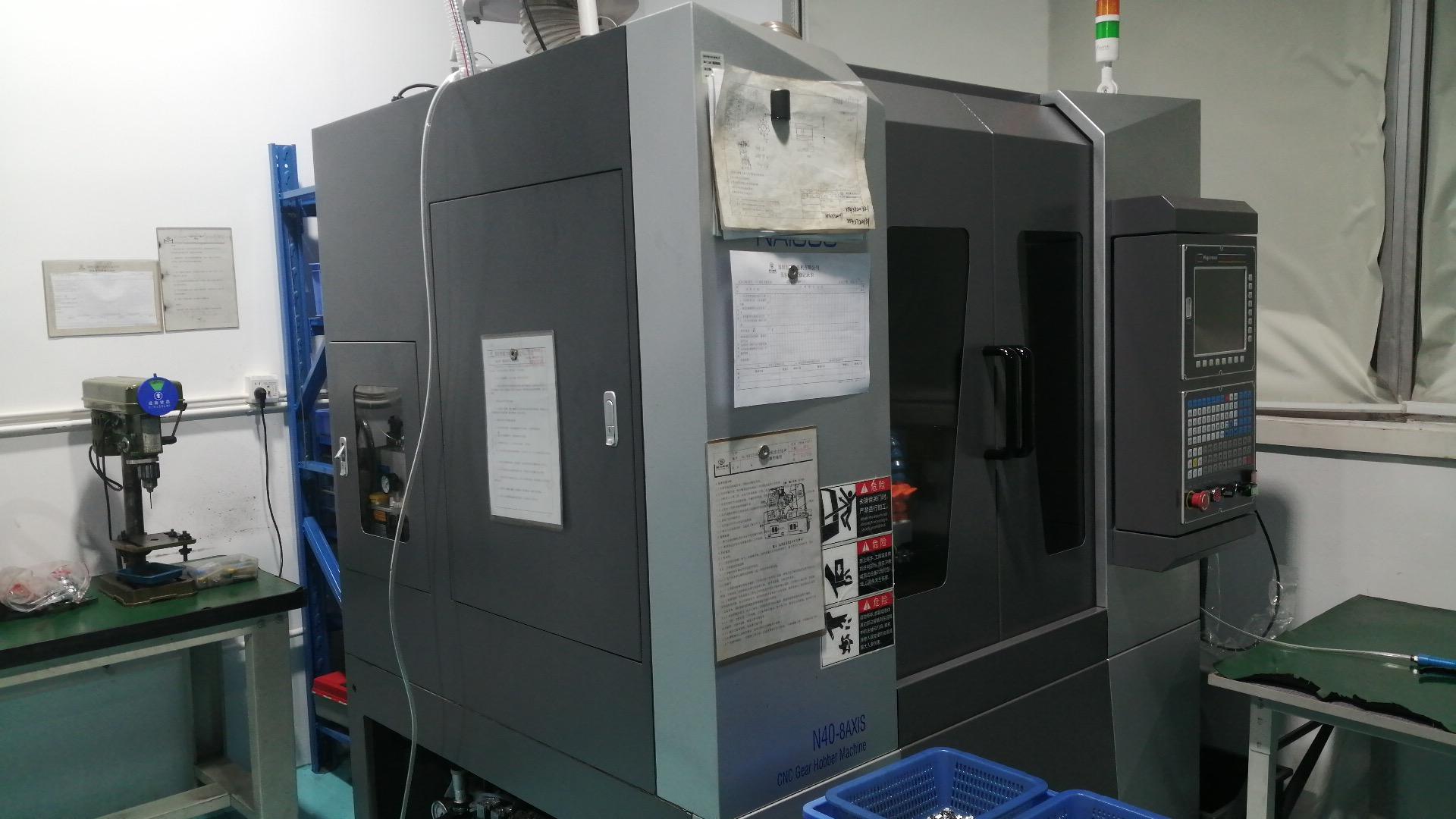
2. Precision Production & Gear Hobbing Machines
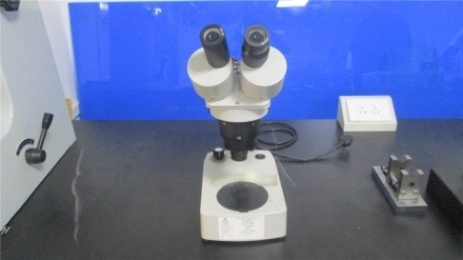
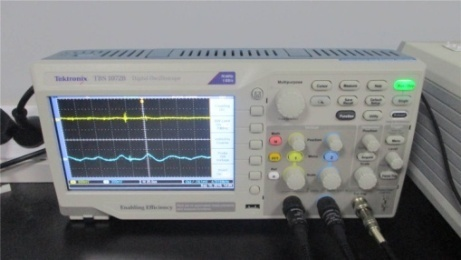
3. Precision Metrology & Quality Control Laboratories
❓ Frequently Asked Technical & Sourcing Questions
Answering common questions regarding stepper motor applications, technical design parameters, and importing
What is the difference between open-loop and closed-loop stepping motors?
How does winding inductance affect stepper motor performance?
What certifications are required for exporting stepper motors to Europe and America?
What mechanical modifications can be customized for OEM applications?
⚙ Heavy-Torque & High-PPS Stepper/Gearbox Catalog
Highly precise stepping modules, DC worm-geared reducers, and high-RPM systems for industrial machinery