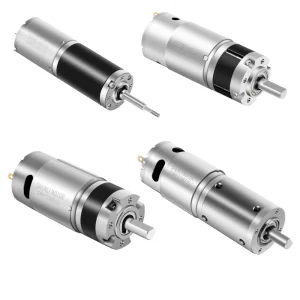
Micprec Motor
High-Precision Low Voltage Motor Portfolio
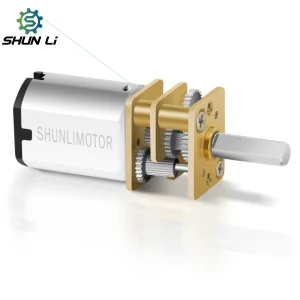
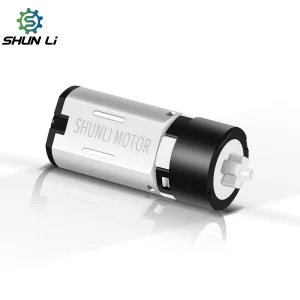
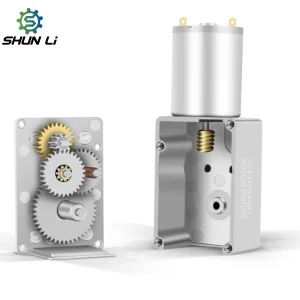
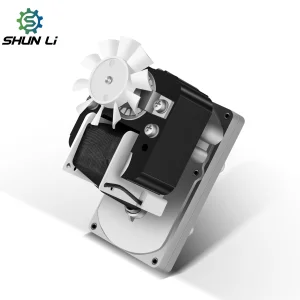
Direct access to our engineered line of low-voltage DC, AC, geared, planetary, and brushless micro-drives designed for rigorous commercial applications.
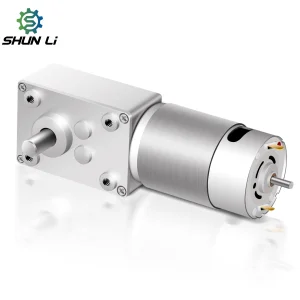
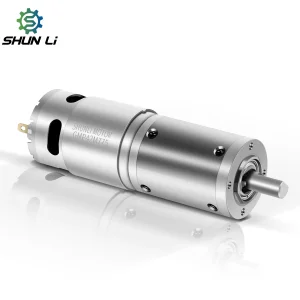
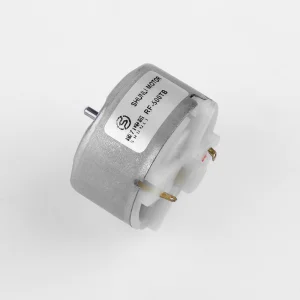
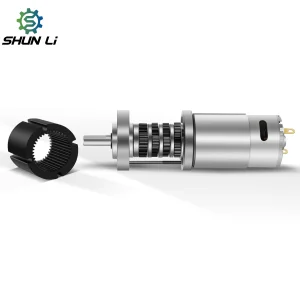
Smart Manufacturing for a Sustainable Future
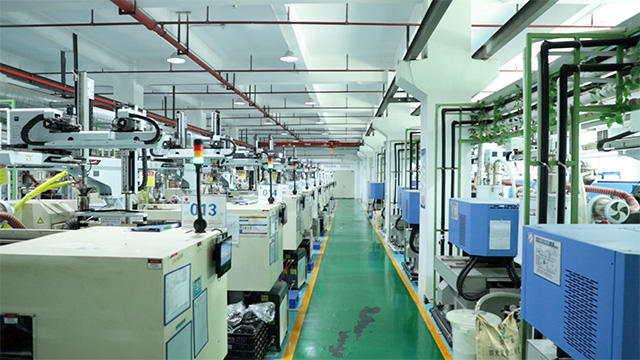
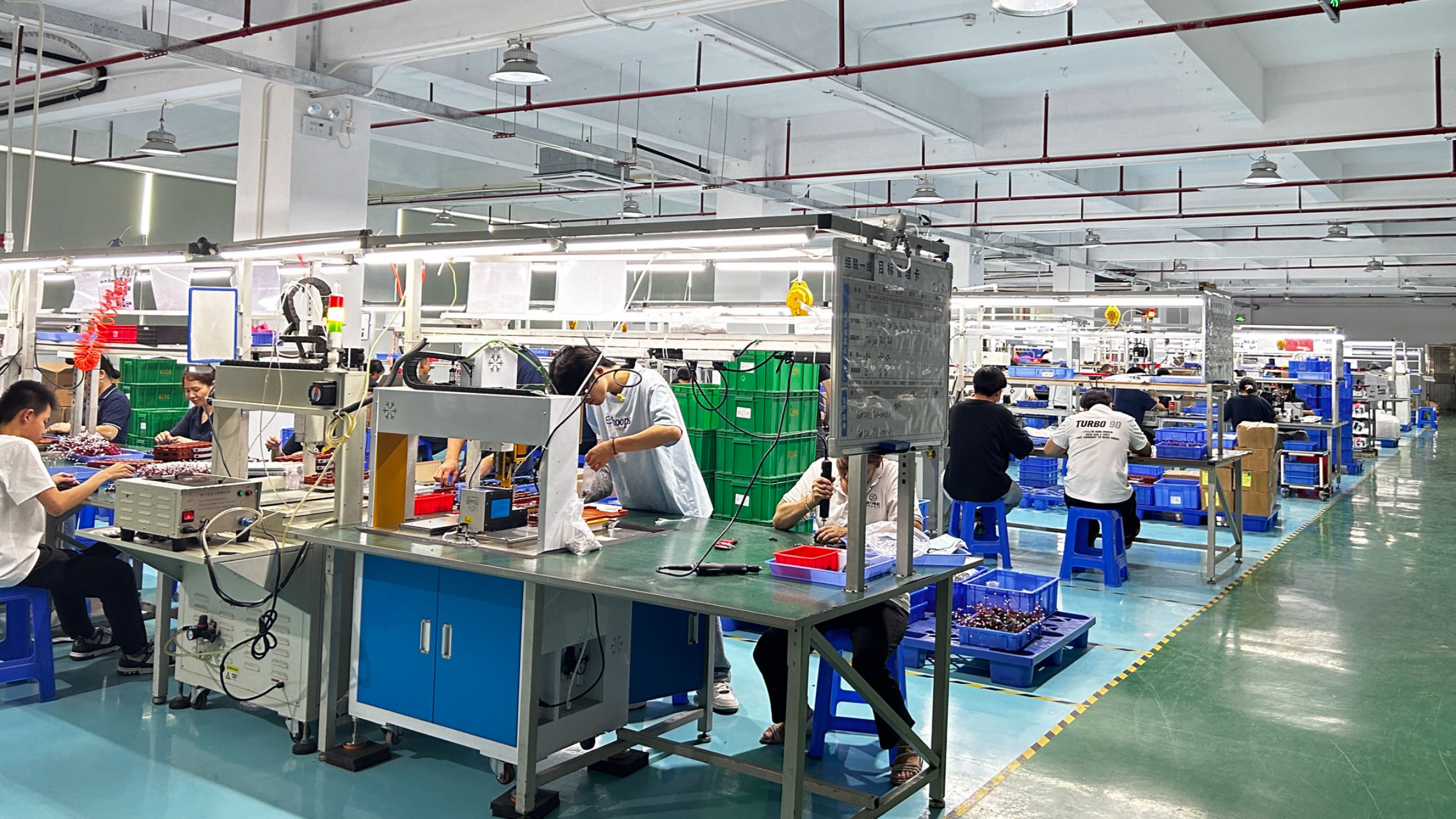
Welcome to the forefront of micro-drive innovation and engineering. Micprec Motor operates a state-of-the-art facility engineered exclusively for maximum operational efficiency, extreme precision, and environmental sustainability. As a premier China exporter and manufacturer of micro DC, AC, and brushless motors, we combine over twenty years of deep industrial heritage with a progressive approach to lean automated manufacturing methodologies.
"Quality and compliance are deeply embedded in our DNA. Our entire production ecology conforms strictly to rigorous international standards, including ISO9001, CE, RoHS, and REACH."
By investing heavily in automated assembly lines, robotic testing units, and eco-friendly manufacturing technologies, we guarantee absolute dimensional and operational consistency across massive production runs. This strategic infrastructure reduces variations, mitigates scrap, and significantly minimizes our shared carbon footprint.

Low Voltage Motor Technical Roadmap & Future Outlook
The low-voltage motor market is undergoing a rapid technological migration toward higher power densities, integrated smart communications, and brushless electrification. Low voltage micro drives, traditionally defined under 1000V but predominantly operating in the 3V to 48V range for electronic micro-applications, are now the main actuators for IoT automation systems, precision surgical equipment, and advanced robotics.
High-Density Brushless Migration
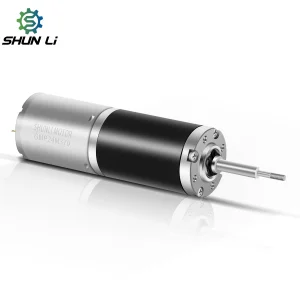
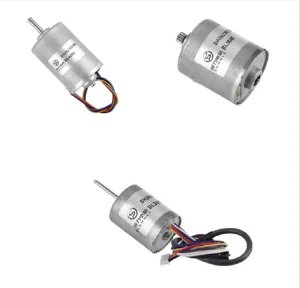
Transitioning from traditional brushed designs to Brushless DC (BLDC) motors represents the benchmark of performance. By utilizing high-coercivity NdFeB permanent magnets, our brushless motors achieve superior torque-to-weight ratios, operational lifespans exceeding 20,000 hours, and drastically reduced electromagnetic interference (EMI).
Smart Feedback & Control
Modern low voltage systems require close-loop feedback. The integration of high-resolution Hall effect sensors, optical encoders, and magnetic encoders directly into the back-bell of the motor housing allows real-time angular positioning tracking. This enables precise speed regulation down to ±0.5% deviation under variable load conditions.
Optimized Gearbox Configurations
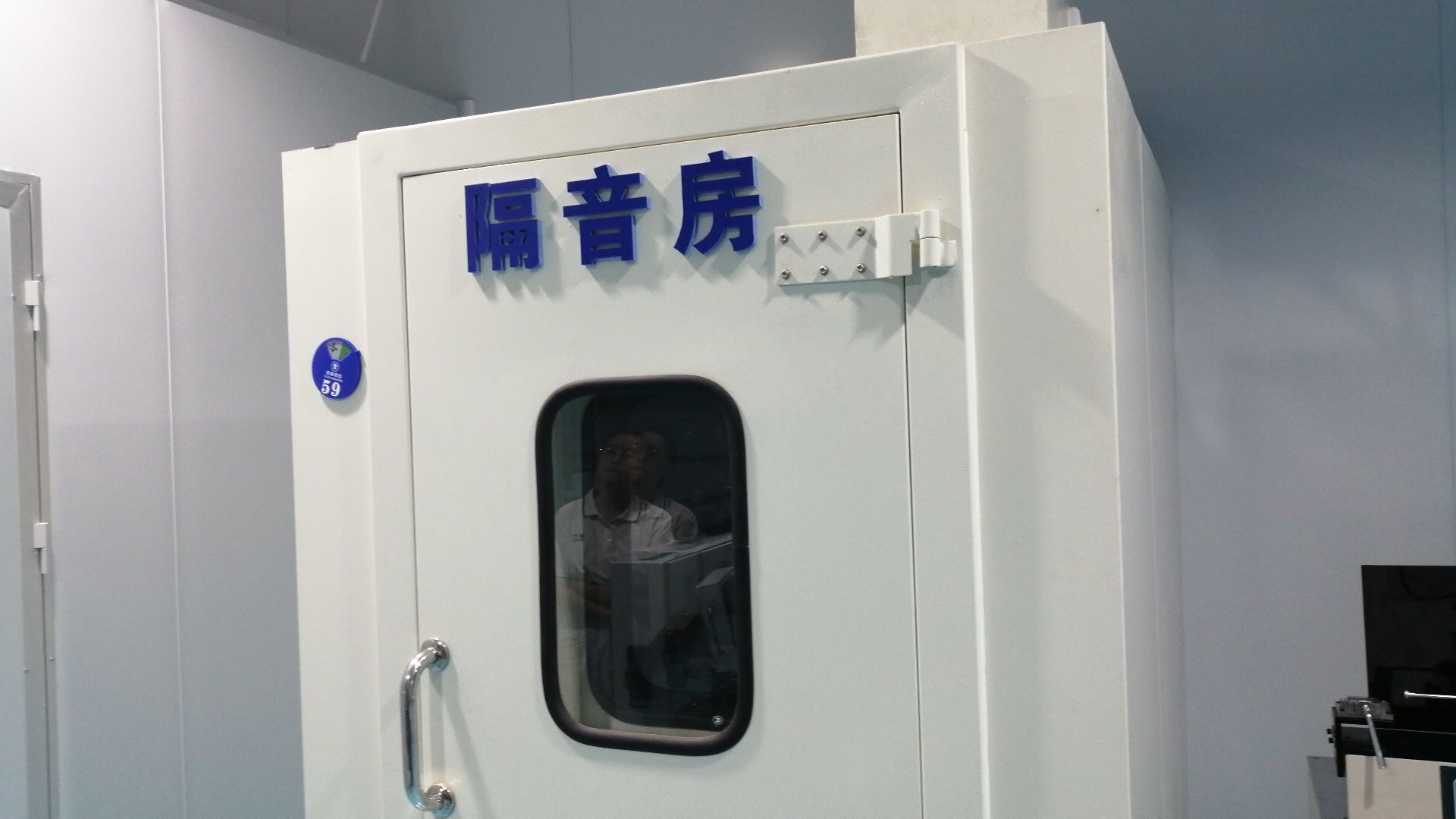
To match different mechanical requirements, we configure customized planetary, spur, and worm gearboxes. By using polymer-metal hybrid gears, we maximize torque outputs while suppressing high-frequency gear mesh noise, achieving noise levels below 45dB in specialized soundproof test labs.
The Green Efficiency Standard (IE4 & Beyond): Micro-motors historically suffered from lower efficiency due to copper losses and eddy currents. Through advanced finite element analysis (FEA) stator winding designs and ultra-thin laminated silicon steel sheets (0.2mm to 0.35mm thickness), Micprec Motor designs achieve up to 88% efficiency in small-scale motors, conforming directly to premium industrial ecological targets.
Macro Industry Solutions: Custom Engineering at Scale
Our motion control products are optimized for different application sectors, ensuring seamless integration and structural compatibility.
Smart Lock & Home Security Systems
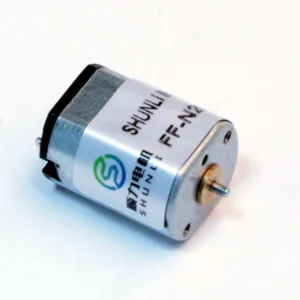
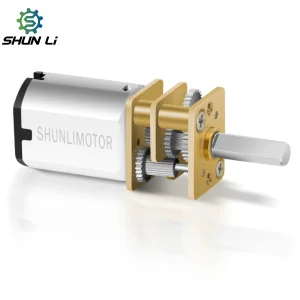
Biometric deadbolts, smart hotel locks, and automated access panels require micro-gearmotors with ultra-compact form factors and high holding torques. Utilizing 10mm to 12mm N20 planetary metal gear motors, we deliver reliable lock/unlock mechanical cycles exceeding 300,000 runs, drawing less than 80mA standby current to conserve battery life.
HVAC, Cooking & Appliance Controls
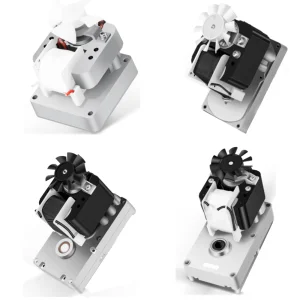
For high-temperature environment controls, such as barbecue rotisseries, domestic ovens, and industrial refrigeration equipment, our customizable AC shaded pole gearmotors are engineered with high insulation classes (Class H: up to 180°C). These units undergo extensive thermal cycling tests to ensure uninterrupted duty and stable operations.
Industrial Robotics & AGV Drive Joints
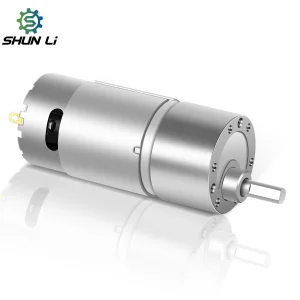
Collaborative robotic arms and automated guided vehicles (AGVs) rely on low-voltage, high-torque permanent magnet DC planetary gearmotors (12V/24V/48V). These motors are engineered with premium spur and helical gear configurations to withstand momentary shock loads and radial thrust, enabling smooth navigation and precise weight handling.
Automotive Body & Comfort Actuators
Modern automotive components require reliability. From electronic window regulators, smart power tailgates, and seat adjustment mechanism actuators, our low-noise DC worm gear motors deliver high torque output in tight spaces with self-locking safety characteristics.
China Factory 4.0: Supply Chain Resilience & Efficiency
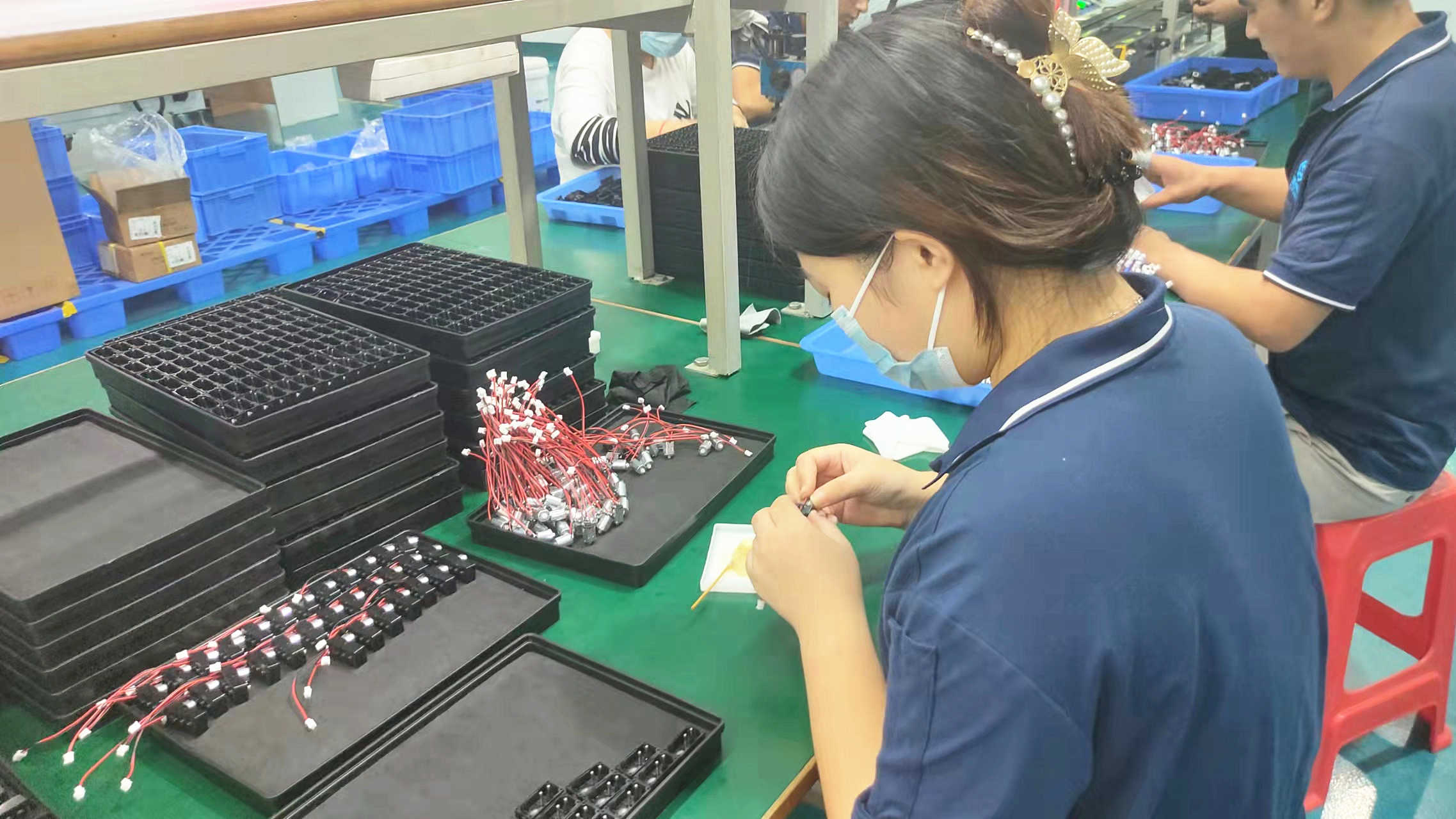
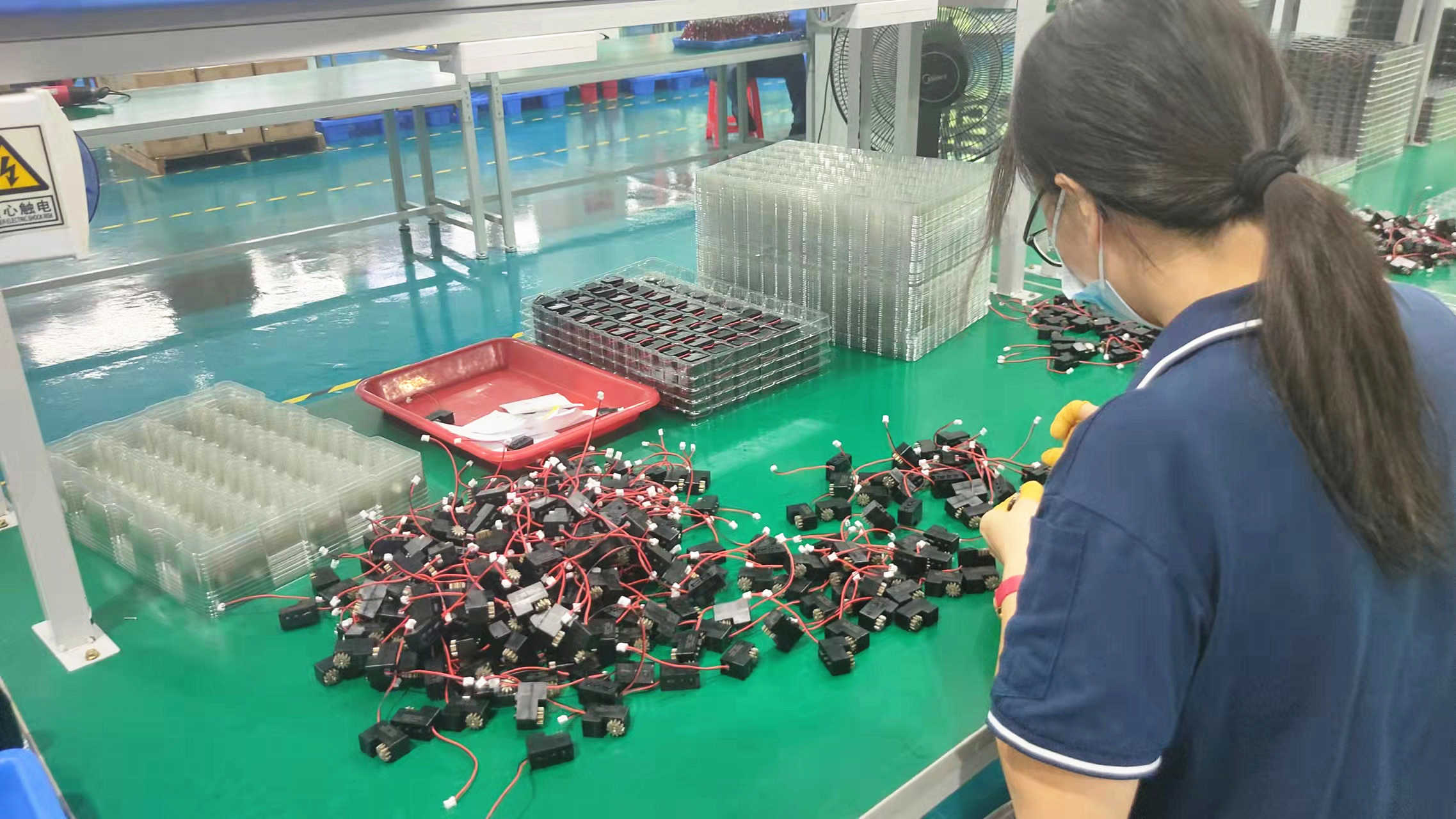
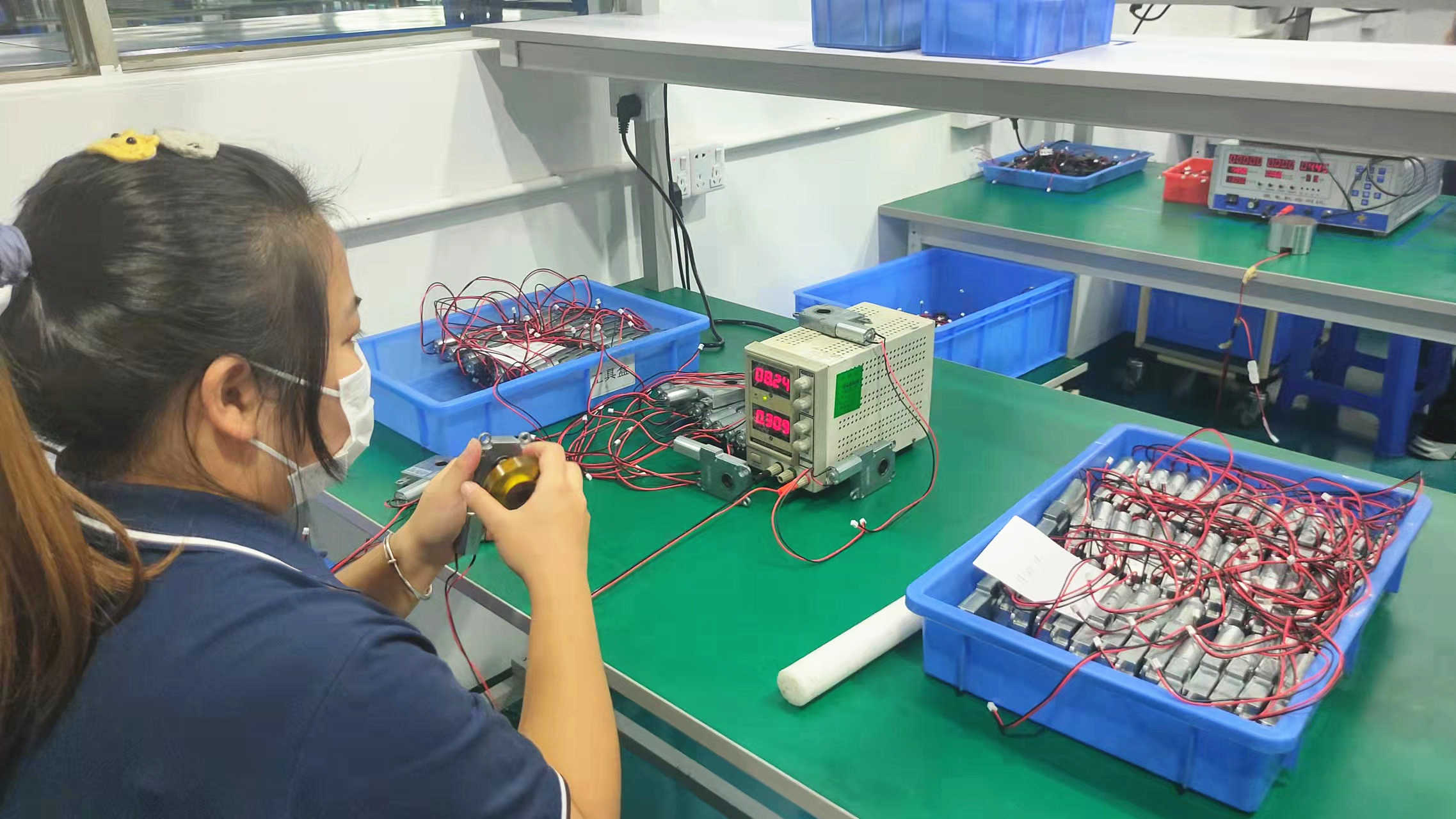
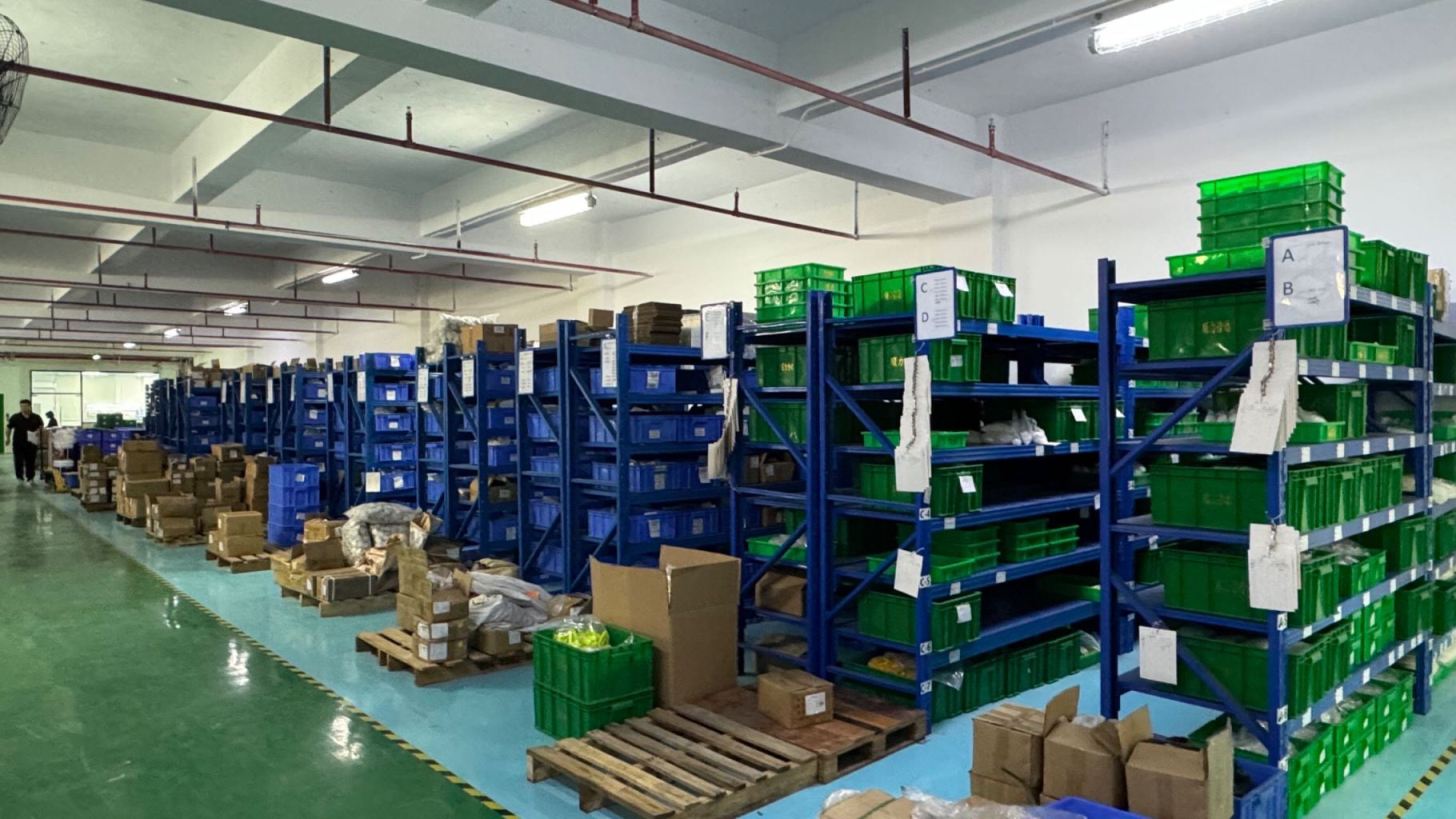
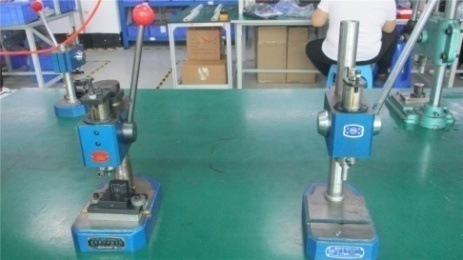
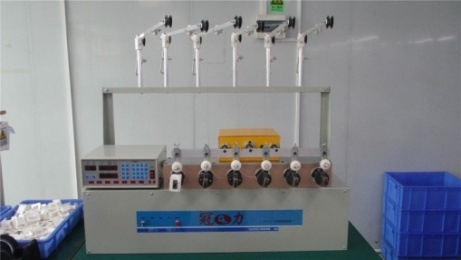
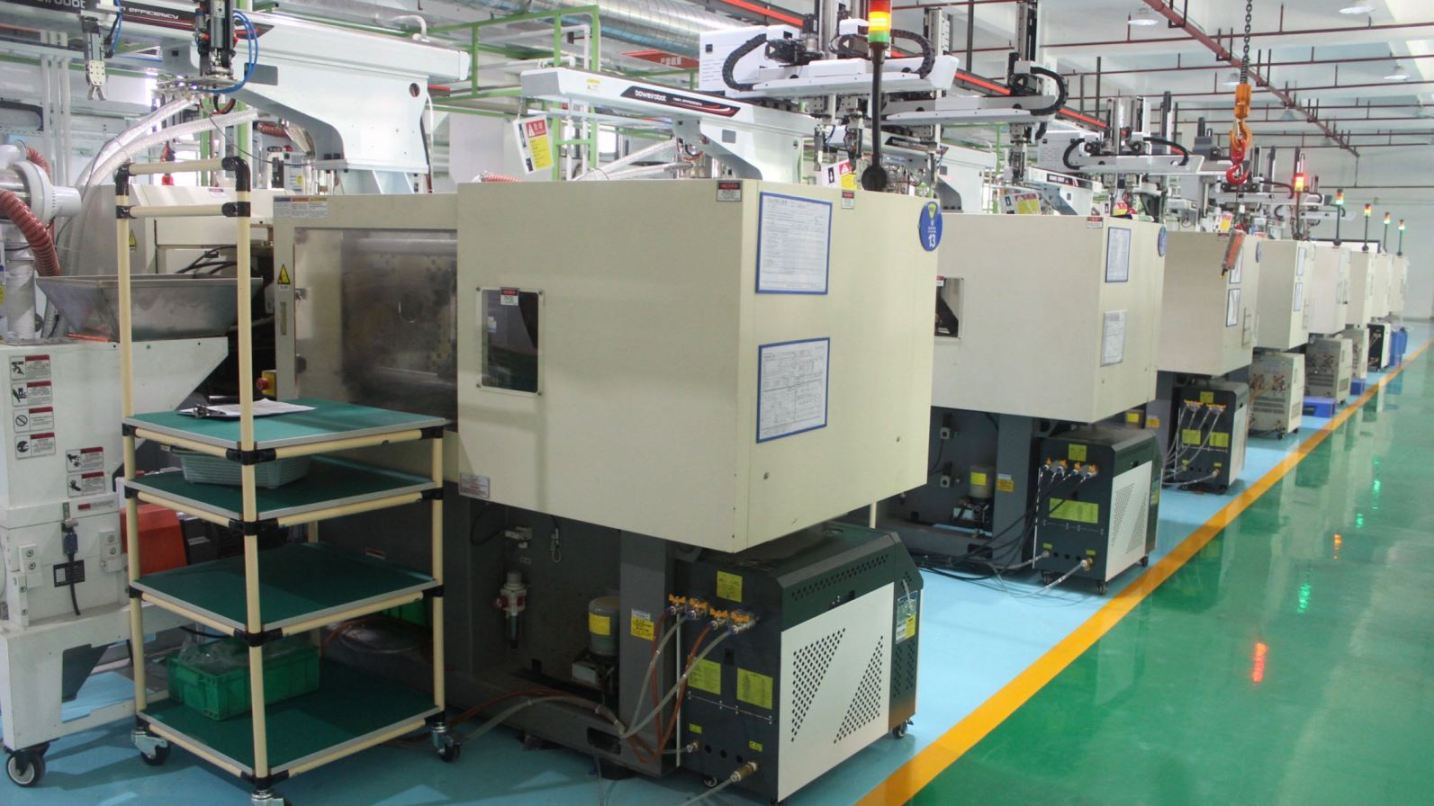
At Micprec Motor, we achieve cost competitiveness not through compromise, but through automated efficiency, localized supply chain integration, and rigorous raw material control. Our factory integrates advanced machinery to handle every phase of raw material fabrication, machining, thermal heat treatment, and precision inspection.
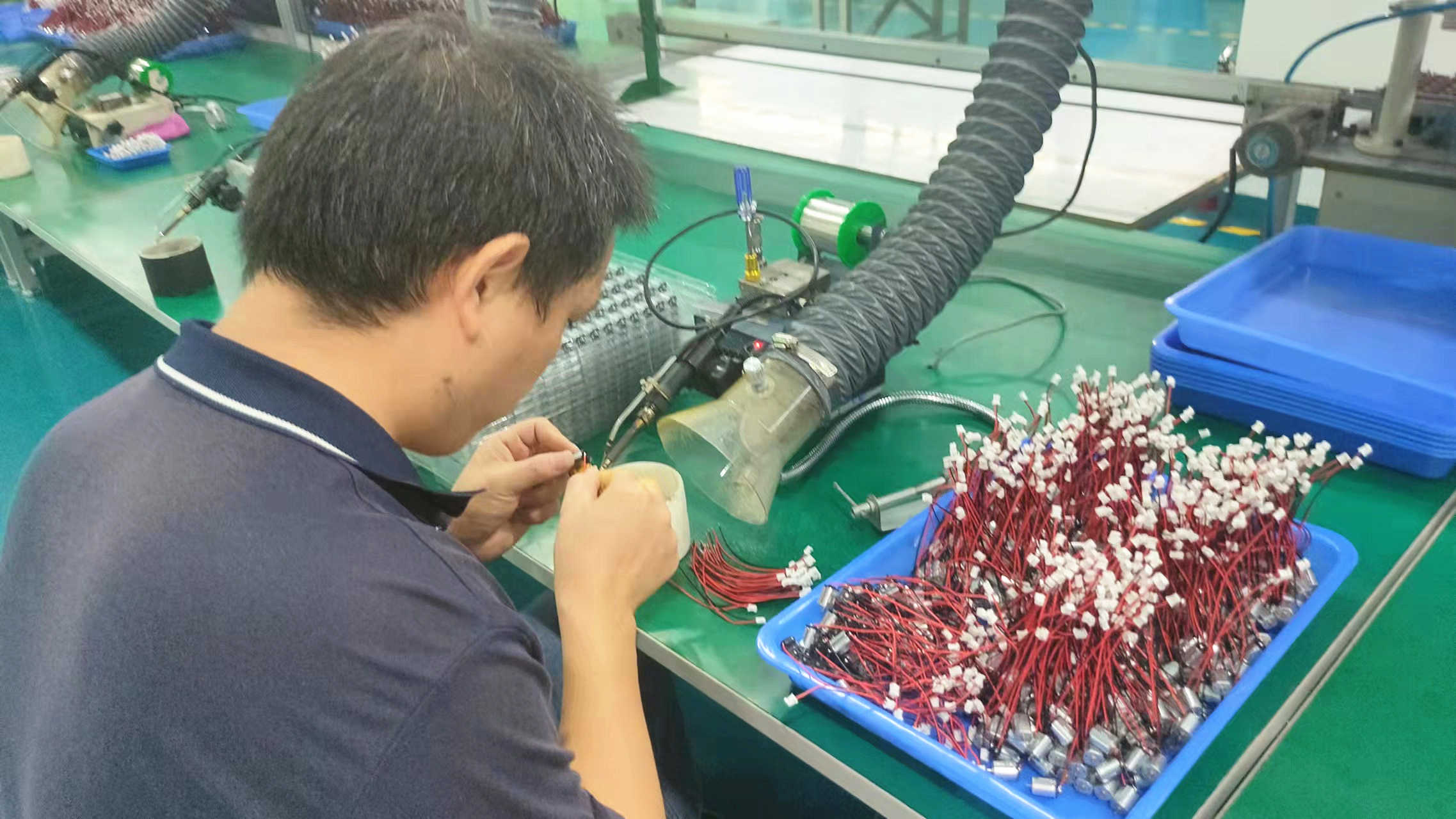
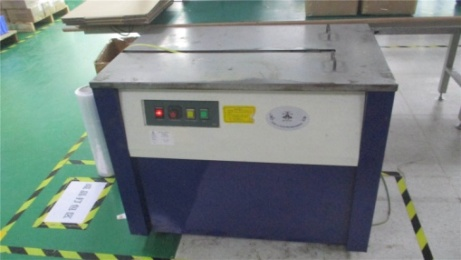
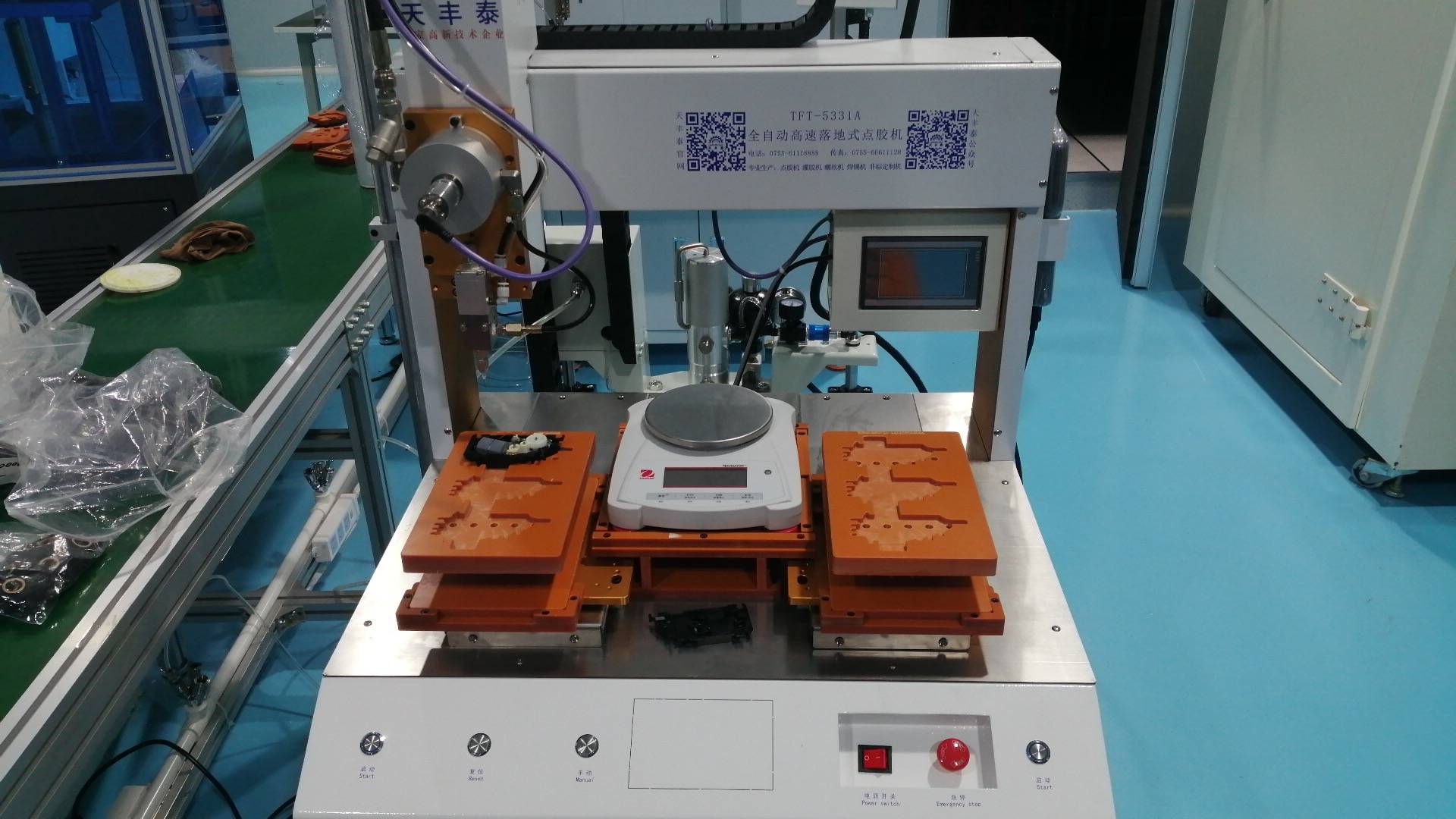
Standardized Assembly & Production Flow

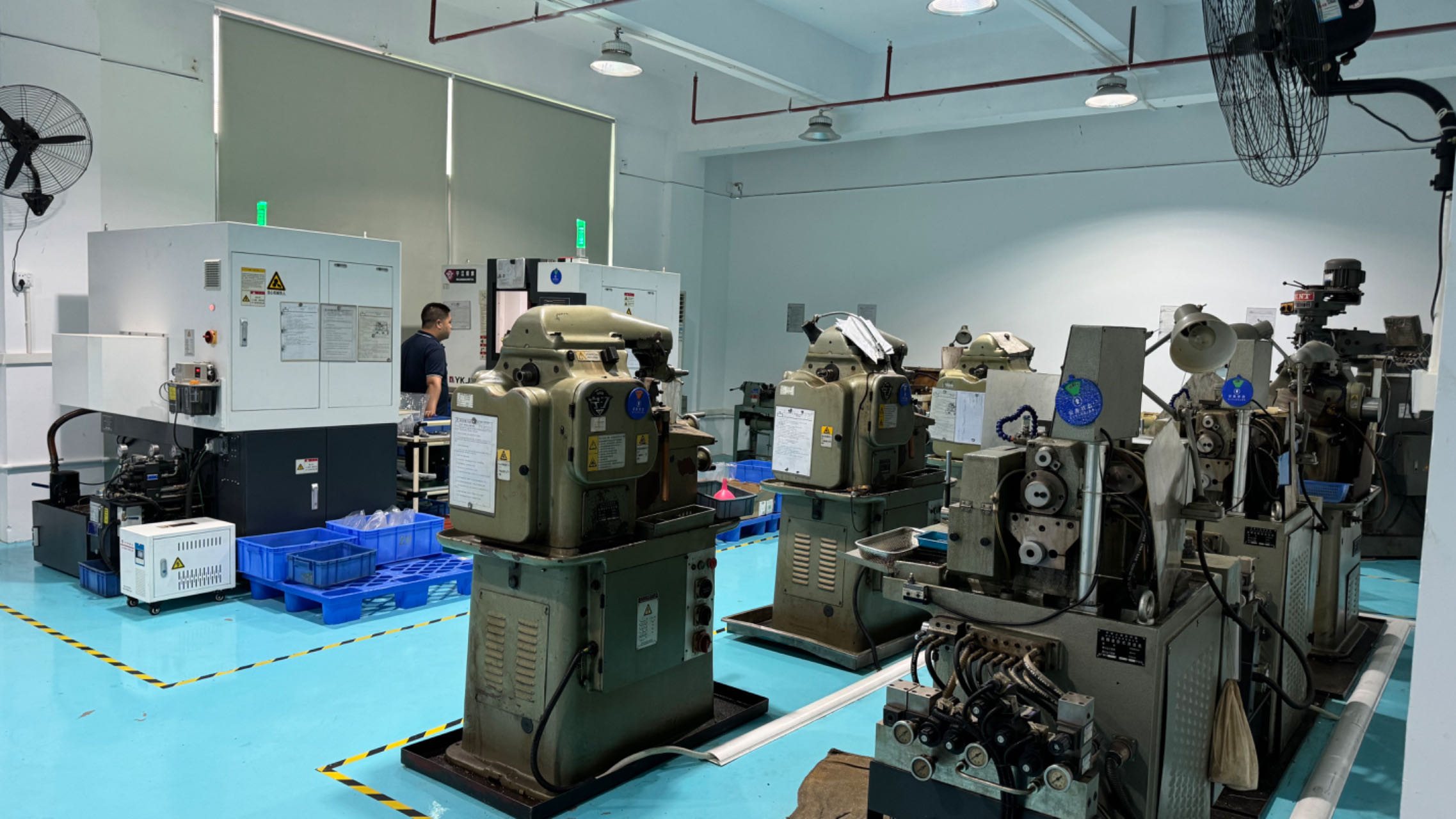
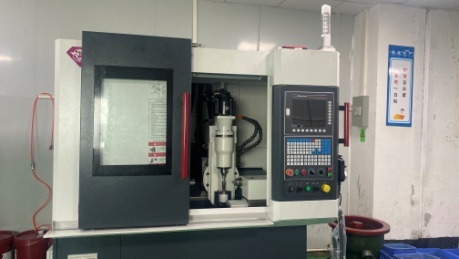
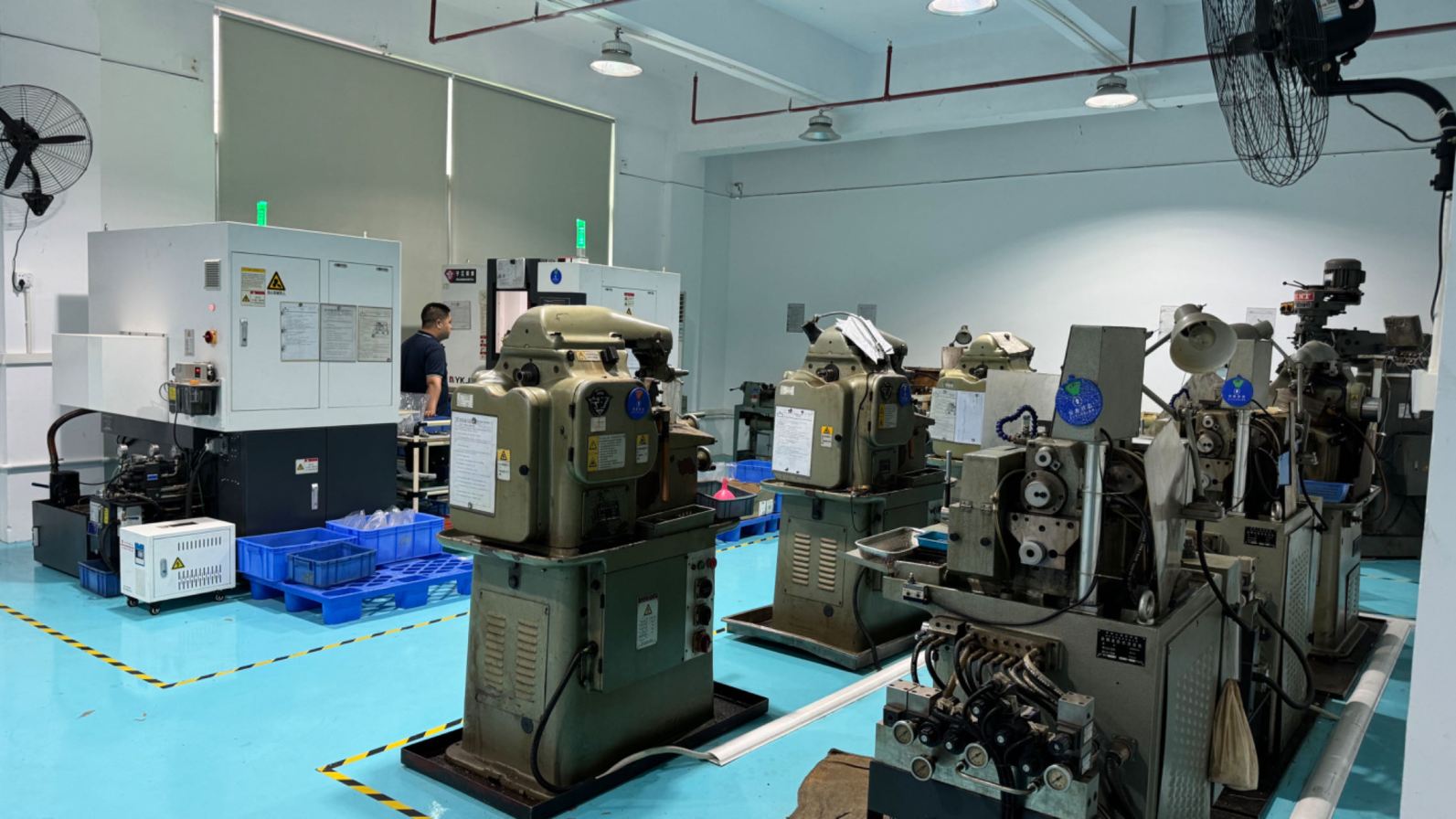
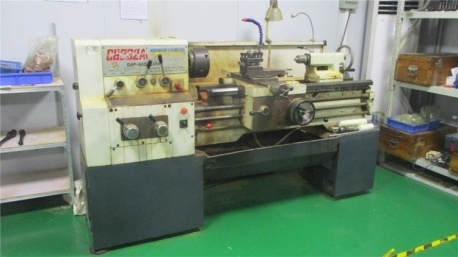
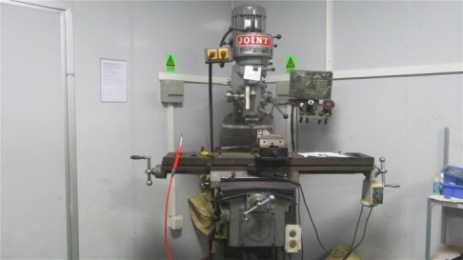
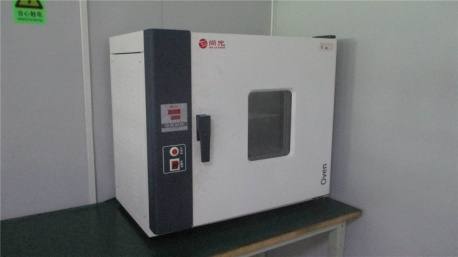
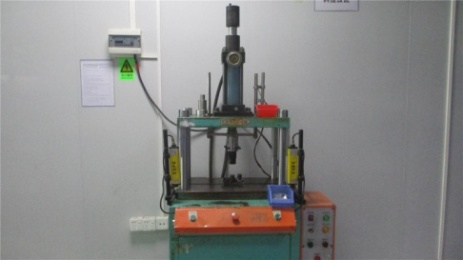
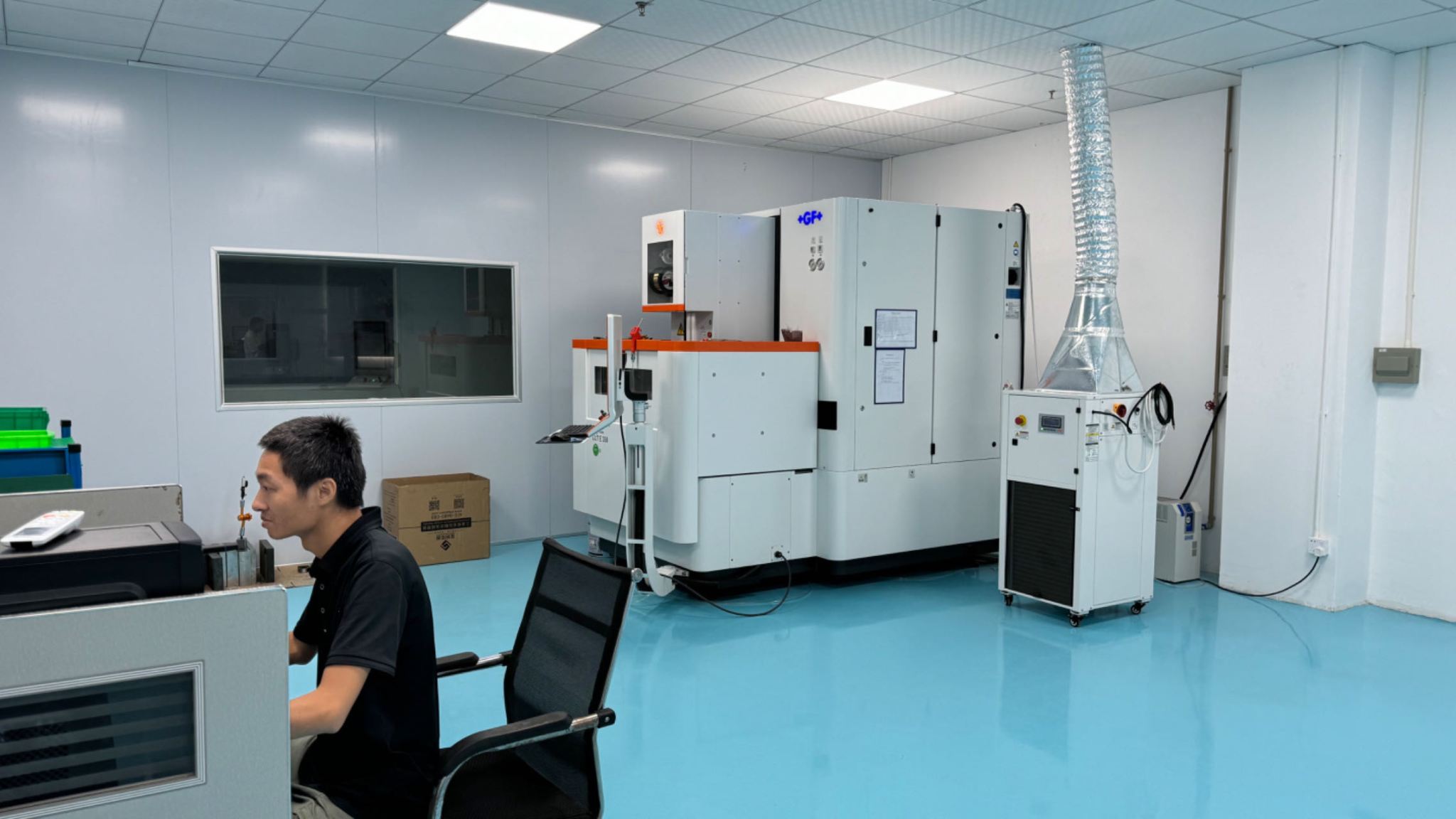
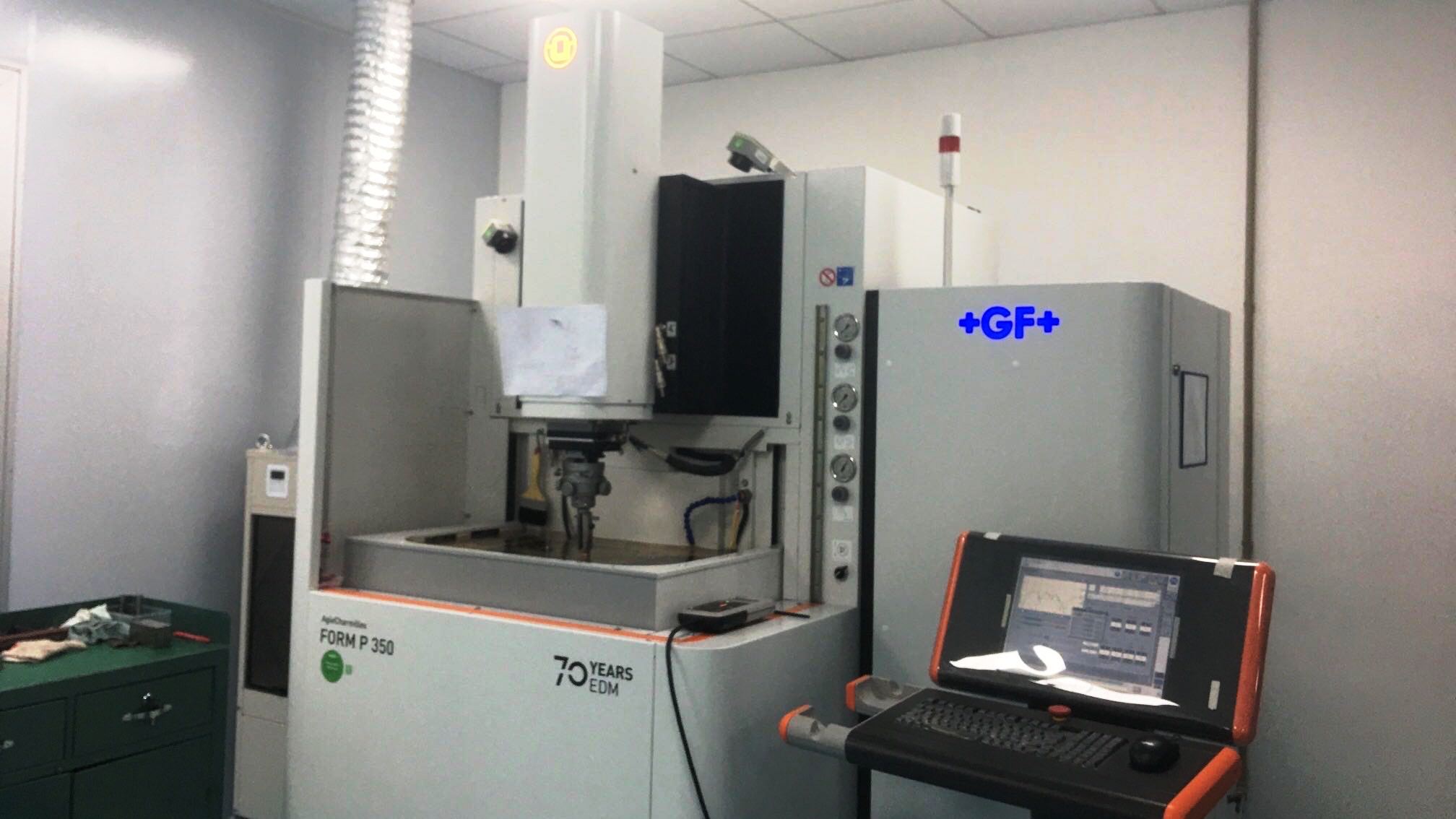
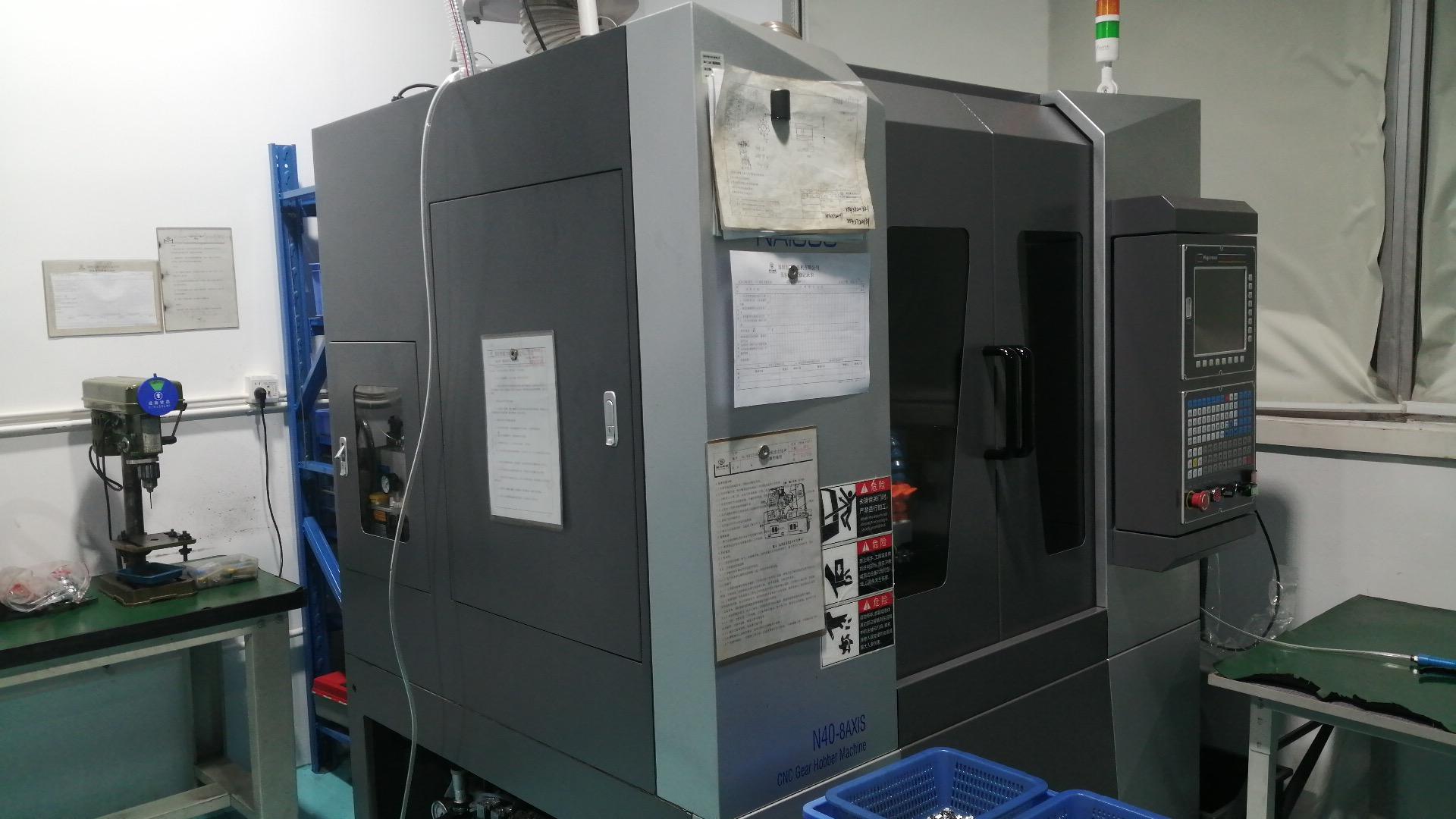
Advanced Mechanical Processing Machinery
Our precision gear hobbing, CNC milling, and EDM tooling lines are supported by world-class machinery, ensuring gear profiles match DIN 6 specifications to reduce backlash and gear wear.
State-Of-The-Art Testing Lab & Quality Control Ecosystem
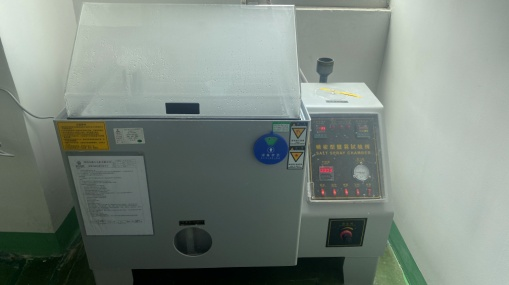
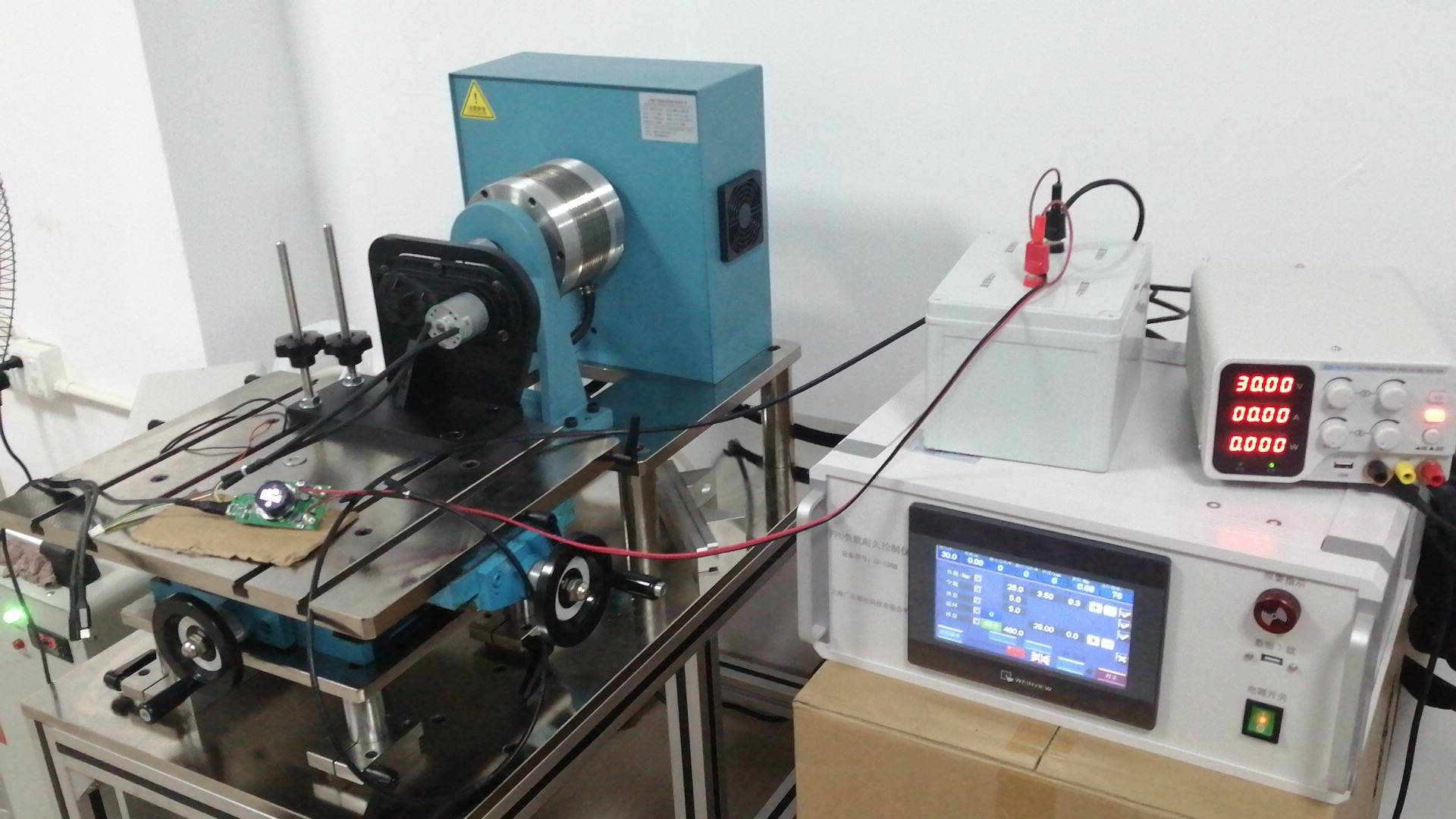
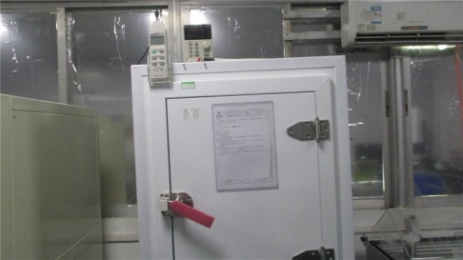
A low-voltage motor is only as good as its reliability verification. To meet demanding environmental challenges (including extreme humidity, dust, and corrosive air), Micprec Motor executes continuous stress testing on every single production batch.
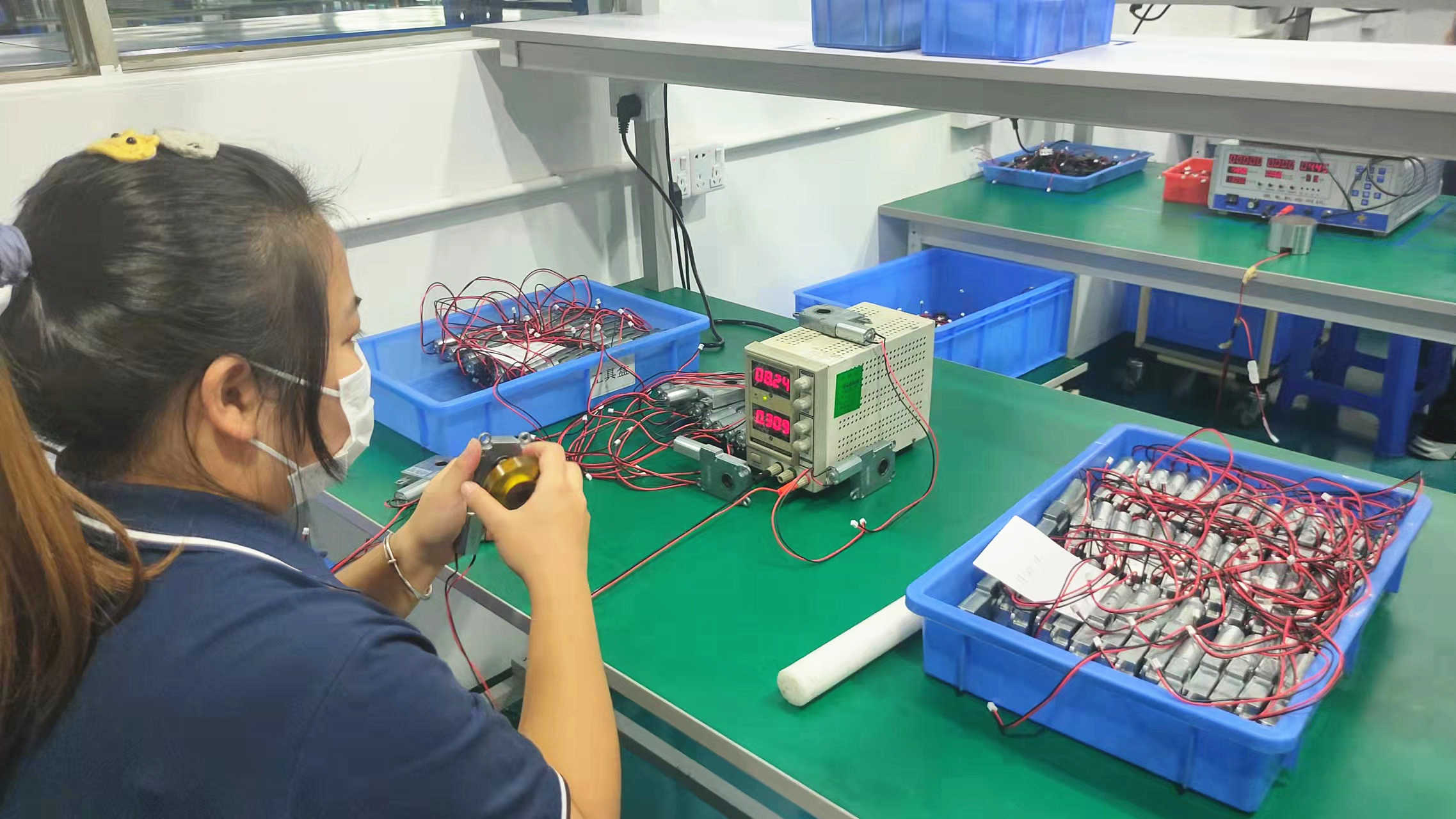
QC Inspection Station
Multi-angle optical, electrical, and dimensional inspection paths at key points on the line.
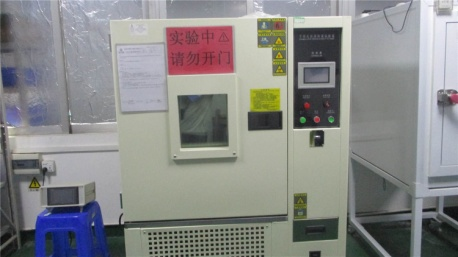
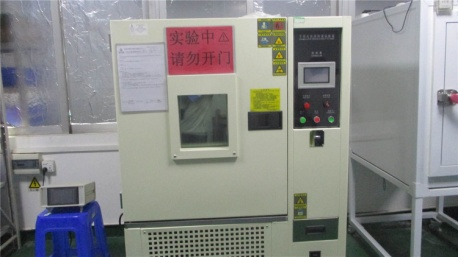
Climate Chamber
Programmable Constant Temperature & Humidity Testing Chambers evaluate thermal degradation.
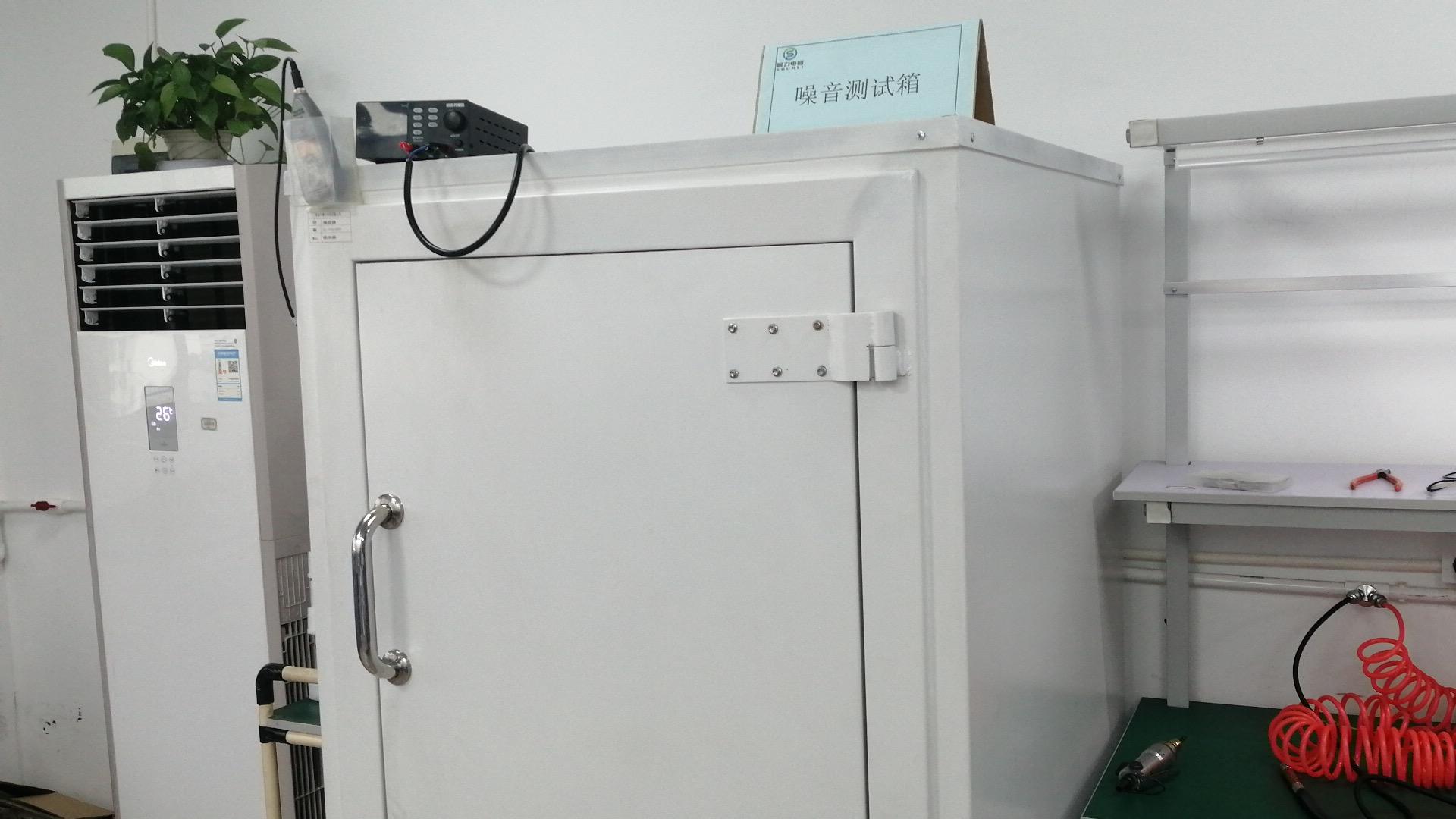
Noise Testing Chamber
Isolated chamber checking for abnormal mechanical vibrations and excessive running noise.
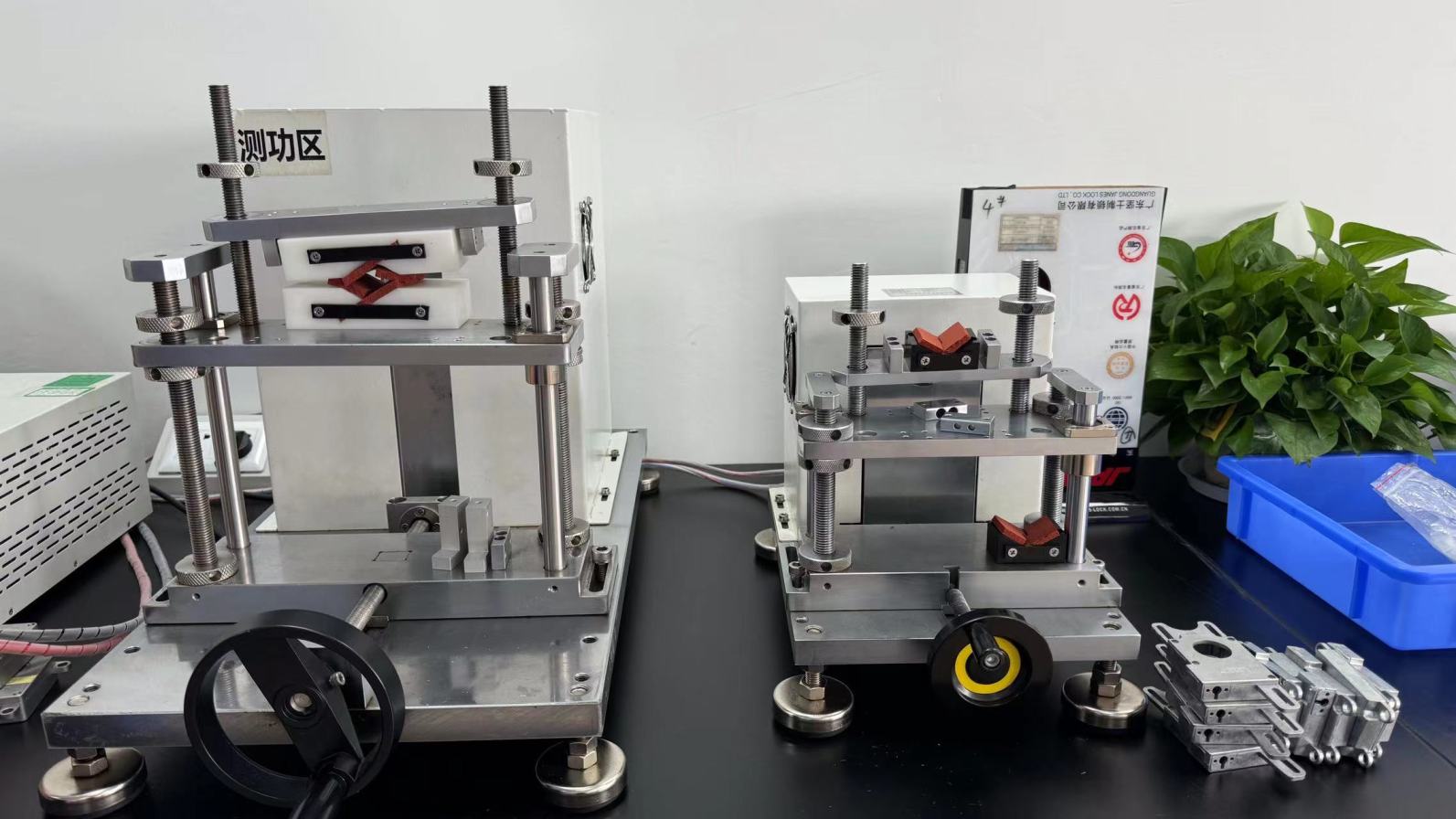
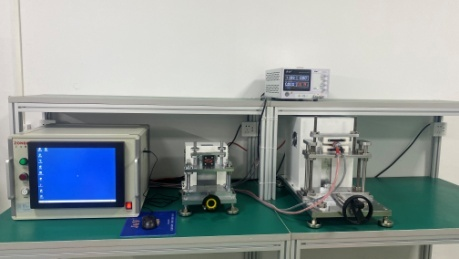
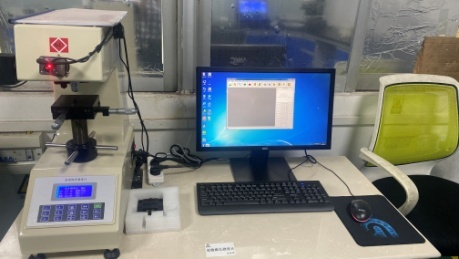
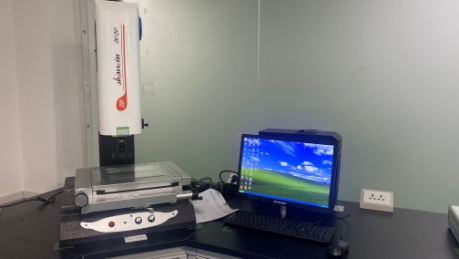
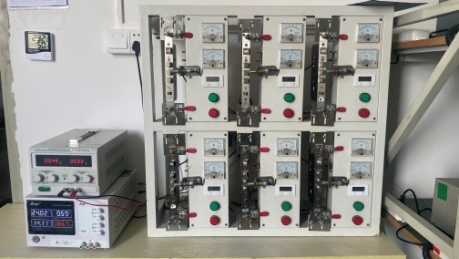
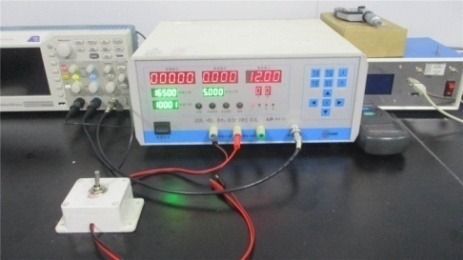
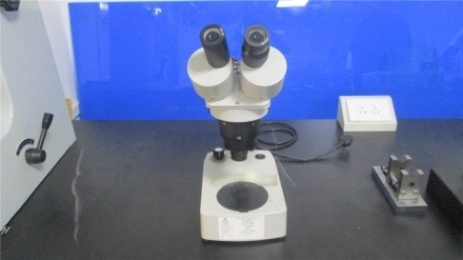
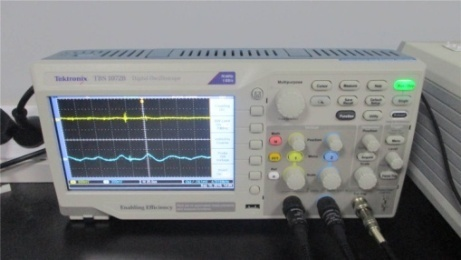
Dedicated Scientific Lab Metrology Instruments
R&D Design Process & Simulation Verification
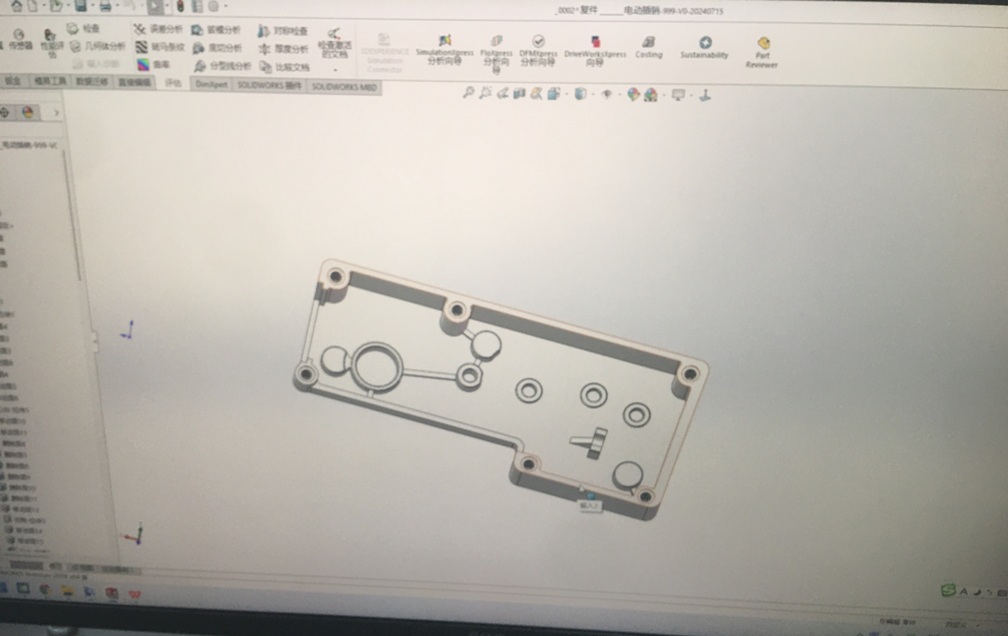
Innovative design demands strict simulation and environmental verification before a product moves into tooling phase. Our engineering department uses electromagnetic design suites and mechanical CAD simulation software to optimize motor topology, heat path transfer, and magnetic flux density distribution.
Iterative Development Cycle
Our engineering processes cover CAD modelling, electromagnetic flux density calculations, noise floor modeling, and prototyping validation. Design models undergo rigorous multi-stage tests to ensure mechanical, thermal, and electrical performance benchmarks are met before commercial production begins.
- Thermal modeling of coils to mitigate hot-spots.
- Mechanical tolerance optimization for high-speed gearing.
- EMC noise profile analysis for consumer applications.
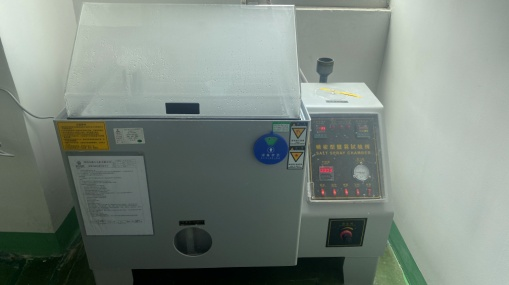
- Extended salt spray simulation for outdoor environments.
Global Procurement & Localization Support
When sourcing low voltage motors from China, global procurement teams must balance unit costs against regulatory, supply chain, and communication risks. Standardizing and verifying key steps in the procurement process helps mitigate operational risk and optimize overall cost of ownership.
1. Design-In Support
Our engineers provide direct 3D CAD files (.STEP, .IGES), detailed winding curves, and mechanical drawings within 48 hours to accelerate the mechanical integration and prototype design cycles.
2. Traceable Materials
We provide complete material traceability reports, including steel grade certifications, magnet coercivity curves, wire temperature ratings, and REACH/RoHS declaration sheets.
3. Logistic Agility
From our location in major manufacturing corridors, we offer flexible shipping arrangements (FOB, CIF, DDP, DAP) and provide secure wooden pallet packaging to ensure safety during transit.
Technical Q&A: Understanding Micro & Low Voltage Motor Technology
In-depth technical explanations covering performance metrics, construction configurations, and customization options for professional buyers.
What are the advantages of Brushless DC (BLDC) motors compared to brushed versions?
Brushless motors replace mechanical carbon brushes with electronic commutation. This eliminates friction and mechanical wear, significantly extending operating life, reducing electrical noise (EMI), and improving efficiency. Brushed motors are more cost-effective for basic applications, while BLDC motors are preferred for high-speed, continuous-duty, or highly precise applications.
Why is a planetary gearbox preferred over a spur gearbox for torque transfer?
Planetary gearboxes distribute structural loads across multiple planet gears simultaneously, rather than concentrating them on a single mesh point as in spur designs. This allows them to deliver higher torque density and efficiency within a compact diameter, making them suitable for robotic joints and heavy-duty actuators.
How does operating temperature affect motor performance, and how is it managed?
High operating temperatures can degrade wire insulation and demagnetize permanent magnets. We address this by using high-temperature magnet wire (up to Class H, 180°C) and magnets with high thermal coercivity, alongside structural optimization for heat dissipation to prevent thermal issues during operation.
Can DC gearmotors operate in reverse directions?
Yes. For brushed DC motors, reversing input polarity changes the direction of rotation. For brushless motors, adjusting the controller commutation sequence reverses rotation. Gearboxes are designed to support bidirectional rotation, though worm gears may have specific self-locking behavior depending on lead angle and design.
What parameters are needed to define a customized micro motor design?
Key parameters include: nominal operating voltage, rated load speed (RPM), continuous torque (mNm), stall torque limits, physical space limitations, shaft dimensions, expected operational life, IP rating, and electrical connector interfaces.
Explore Additional Motor Models
Browse our extended line of micro gearmotors, high-torque reduction motors, and variable voltage drives.